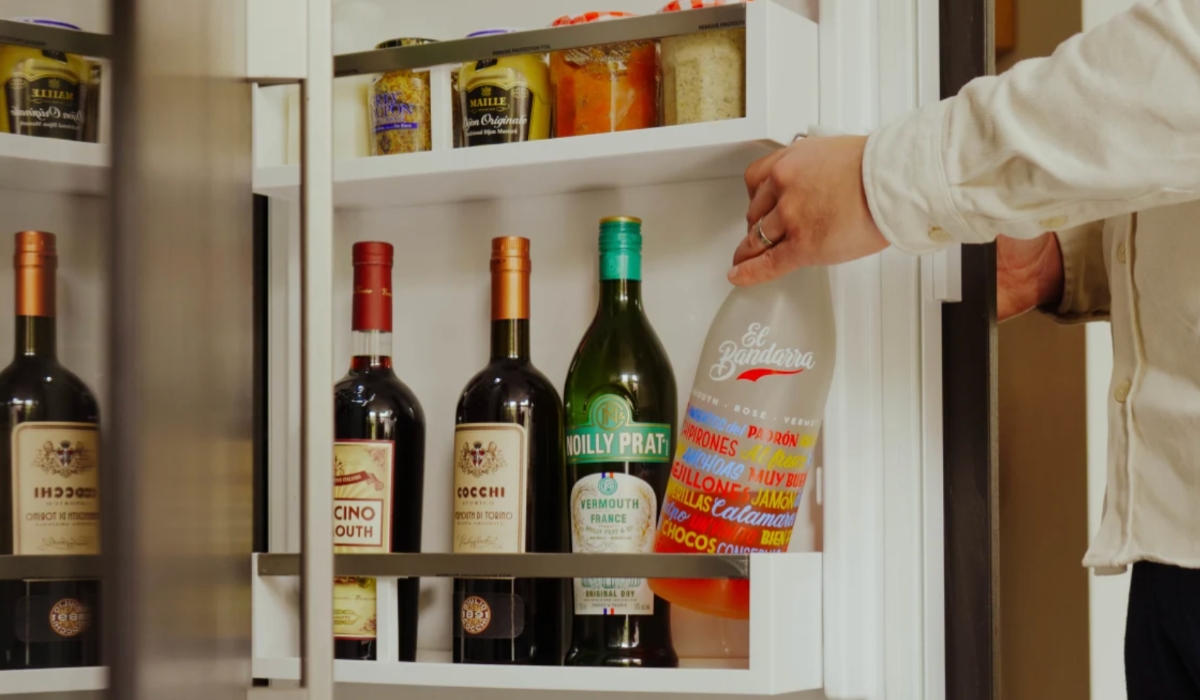


Have you ever wanted to bring your own bottle of wine into a restaurant rather than ordering from the wine list? Maybe you've been saving a particular vintage for an occasion or simply want to have something the restaurant doesn't have on its list. Some restaurants will allow you to do this but will charge you an extra fee for the privilege.
So what are corkage charges and why do restaurants charge them? They're known as corkage fees and they cover the cost of opening and serving the wine on your behalf. Not every restaurant will allow you to bring your own alcohol though and it's important to know the rules in advance so you don't find yourself in a sticky situation.
The corkage fee is simple, it is a fee that a restaurant will charge you if you're bringing in your own bottle of wine to drink on their premises. It's usually a fee per bottle, though some places may have a different structure.
Despite the name, corkage isn't just about removing the cork. It can involve opening the bottle, providing the right glassware, chilling the wine, decanting if required and then serving it throughout the meal. Some restaurants will go so far as to offer a corkage policy on other alcoholic drinks as well, though of course this will be subject to their own individual rules.
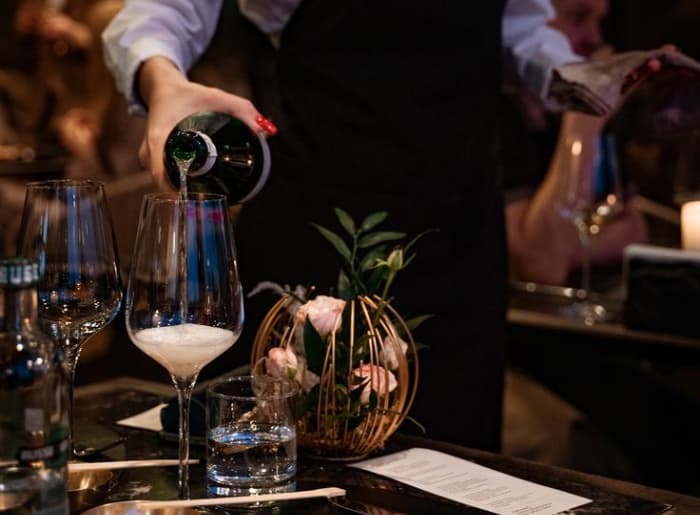
Wine sales are a major source of income for a lot of restaurants. If the customer brings their own bottle then the restaurant loses the sale of a bottle from its menu. Corkage charges are the way the restaurant makes up for that and still allows the guest the freedom to bring their own wine.
The restaurant will provide the glassware for your wine, they will have the serving equipment maintained and will have staff who are trained to serve wine. A sommelier may well be on hand to open the bottle, decant it and serve it. The corkage fee therefore covers both the service and the restaurant's commercial considerations.
Curious about the world's most valuable wine brands? Explore the top 10 rankings and find out why Champagne is outperforming still wine.
Corkage fees vary enormously from restaurant to restaurant, location to location and level of service to level of service. Some venues will offer free corkage on certain days or will waive the corkage fee under certain circumstances.
In India there is no such thing as a national corkage rate. Out of house wine charges are down to the individual venue's policy and whether or not their liquor license allows customers to consume alcohol brought in from outside. You'll need to check the price with the venue themselves rather than assume that the international norm applies.
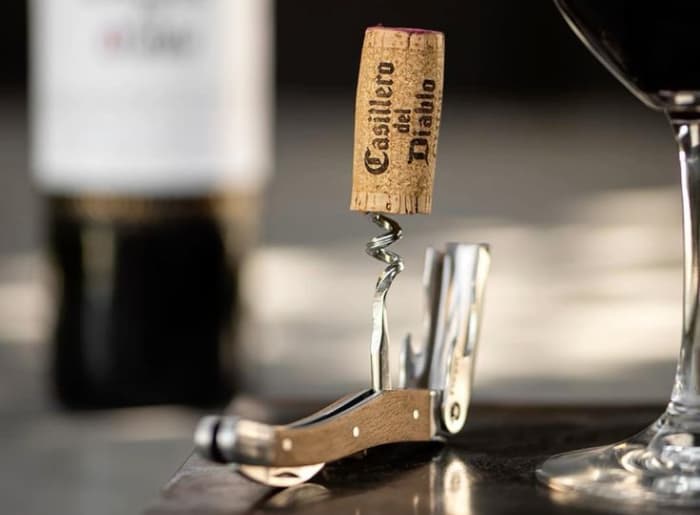
The restaurant wine policy may dictate which wines are allowed, how many bottles each guest can bring and whether corkage is applicable. Some restaurants will simply won't allow wines that are already on their menu, others will have a limit on the number of bottles per table. In India the state excise rules and licensing conditions will also determine whether outside alcohol can be consumed on the premises. Paying a corkage fee will not necessarily get around any of these rules.
Ever wondered how to open a wine bottle without a corkscrew? Discover simple tricks that can help when you don't have the right tool.
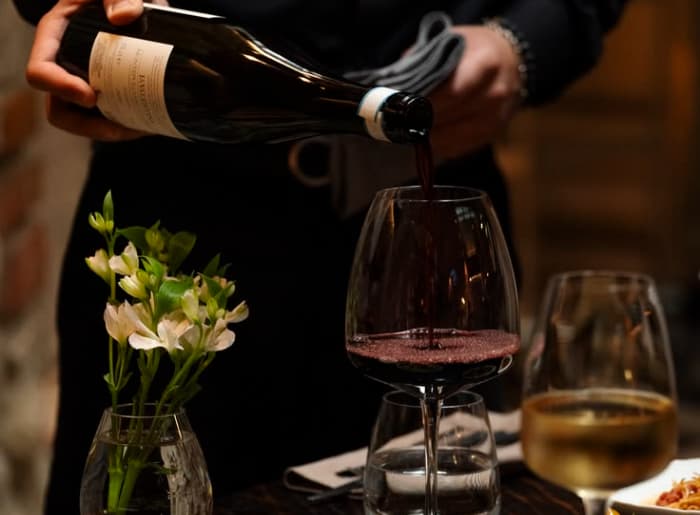
The first rule is to call the restaurant prior to your arrival with a bottle. Find out if outside wine is allowed, what the corkage fee is, and whether there are any restrictions. It's generally seen as a very nice thing to do to bring a wine that isn't on their list, particularly if it's a special bottle or an older vintage.
Once you're seated, let the restaurant staff or sommelier do the wine service. It's a traditional gesture to offer the sommelier a small taste. Ordering food and perhaps a further drink from the menu is another way of showing you appreciate the restaurant. Where it's appropriate to tip, you may well tip for the extra service you've received, though again this varies from country to country.
Why do we clink glasses before saying cheers? Discover the dark theory behind this familiar drinking ritual and how the tradition began.
This is all drawn from restaurant industry guides, the published corkage policies, the Maharashtra State Excise Department's own manual. It covers corkage charges, the usual fees, BYOB, wine service, restrictions at the restaurant, and the critical point that you must always check the individual venue's policy.
Corkage allows the customer to bring their own wine to the restaurant and enjoy it and in effect paying the restaurant for the service of serving it and for the potential lost beverage sales. The amount charged and the conditions attached will vary from venue to venue.
Before you bring a bottle, always check the restaurant's corkage policy along with any other relevant information. A quick word with the restaurant will almost certainly confirm that the wine you're bringing is something they'll happily serve you and that there won't be any surprise corkage charges.