
India’s winter drinks are more than recipes, and even though we write about alcoholic drinks, Indian winter beverages deserve their own spotlight! They are cultural time capsules, capturing the local traditions, rituals, and food practices in a heartwarming bowl. No matter the landscape or language, traditional Indian winter drinks are healthy, nourishing, and soul-satisfying. Which is why we’re shedding light on some of the regional Indian hot beverages and best desi drinks to fight winter cold in India.
Kashmir’s winters are some of the most magical in India. The Kashmiris, to fight the winter cold, and stay nourished, have adapted a variety of traditional drinks in their lifestyle. Kahwa and Noon Chai are some of the most famous, so let’s take a look at these Kashmiri drinks.
Kashmiri Kahwa or Kahwah
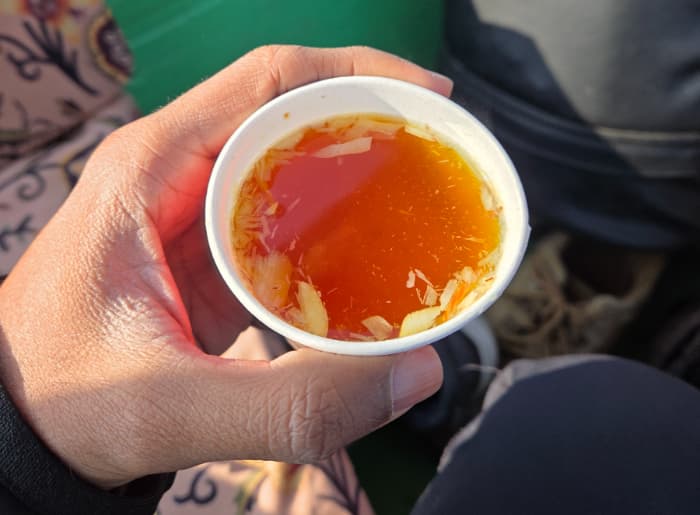
A steaming cup of Kahwa is almost poetic: tea leaves infused with saffron, cinnamon, cloves, and crushed almonds. The drink is more than just an aromatic brew, it’s poetry in liquid form. The warm spices aid digestion, boost immunity, and keep the body’s internal temperature steady even in subzero temperatures. Kahwa is served hot in a brass kettle called ‘samovar’ and is an integral part of Kashmiri daily life. The traditional tea is also made in Afghanistan, Pakistan, and certain regions in Central Asia.
Noon chai
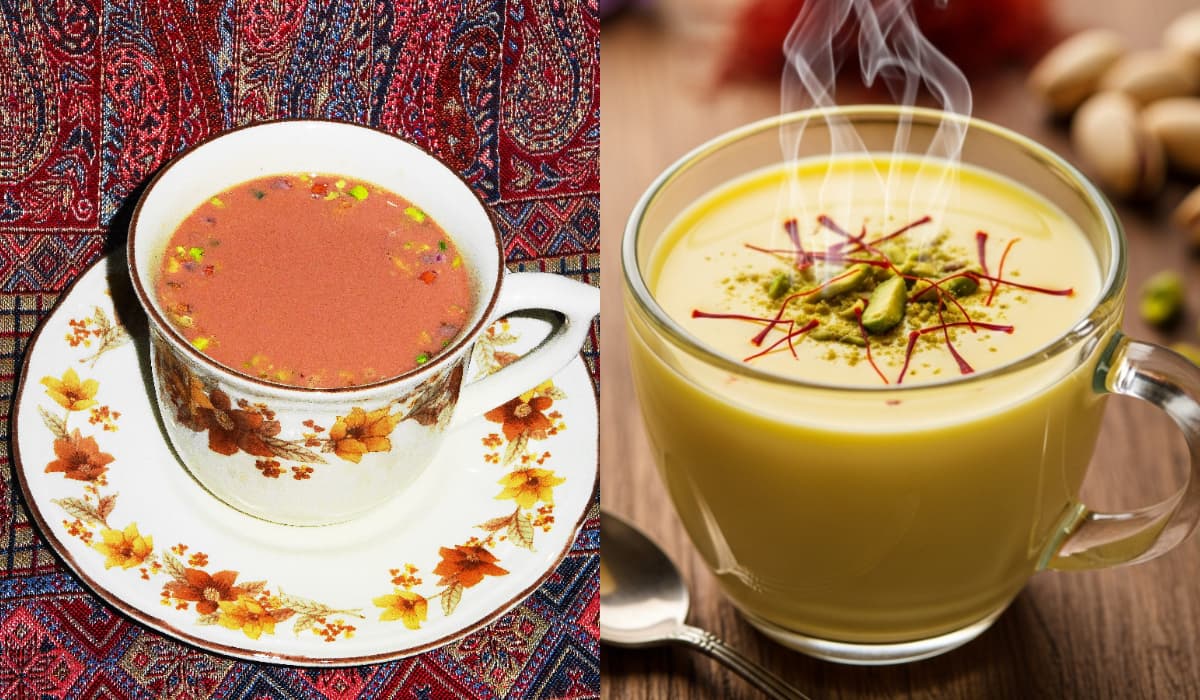
While Kahwa is a regional traditional Indian drink made in water instead of milk, noon chai is made using milk. In fact, the word ‘noon’ means salt in several Indo-Aryan languages such as Kashmiri, Nepali and Bengali. Kashmiris also refer to the tea as ‘sheer chai’ as well where the term derives from ‘milk’ in Persian. The tea has a signature pink color and is made using milk, gunpowder tea, salt, and baking soda.
Also Read: Indian Spices And Ingredients That Can Level Up Your Cocktails
Bajra is an essential crop grown in many parts of Northern, especially the low-lying plains. In states like Rajasthan, Madhya Pradesh, Haryana, Punjab, Uttar Pradesh, etc, winter drinks are mostly made of bajra flour. As these states are blessed with abundant livestock, winter drinks based in milk are also quite common.
Bajra Raab
A bajra raab recipe for winter health is almost a ritual passed down since generations in many of India’s rural villages. The drink is a slow-cooked mixture of bajra flour, ghee, jaggery, and sometimes ginger. Bajra aids digestion while ghee provides healthy fats essential in winter. Raab is often given to children and new mothers, but it remains a popular winter drink that boosts immunity, soothes digestion, and provides comfort.
Kesariya Doodh
While ‘saffron milk’ is popular around the world as a trendy cafe drink, its roots lie in India’s kitchens. The milk drink is a blend of milk, saffron strands, crushed nuts, cardamom, and a touch of sugar. On cold winter days and when you’re under the weather, the Kesariya Doodh provides comfort and warmth. Saffron improves circulation while the nuts provide energy and boost immunity. Also, in many households, it doubles down as a delicious after-meal dessert-like beverage.
South India, just like North India, has a number of winter drinks that are based in tradition and nourishment. With each state having its own signature winter drinks, it is no surprise that winters in South India are not just a time to feast on winter foods but also gulp down these amazing regional hot beverages.
Milagu Rasam (pepper broth)
More soup than drink, but consumed like a warm, comforting tonic, the Milagu Rasam for cold and cough is like a delicious medicine poured in a bowl. Milagu Rasam uses black pepper, cumin, garlic, and tamarind to create a potion that gently warms your body. With spices that contain natural antimicrobial properties, active enzymes, and other nutrients, a Milagu Rasam makes for a perfect drink to have on a chilly night.
Sukku Kaapi (dry ginger coffee)
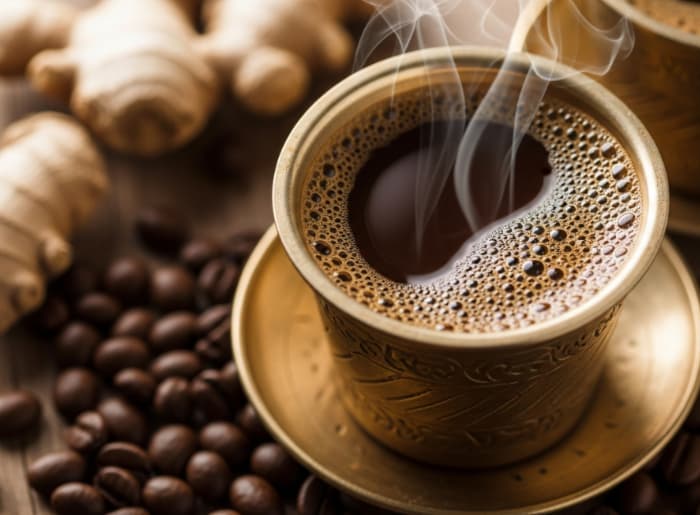
Filter kaapi is one of the most iconic coffees in India. And while it gets its flowers from around the world, its lesser-known cousin, the sukku kaapi, is more comforting and healthy. Sukku or chukku is the Tamil word for ‘dry ginger’, an ingredient known for anti-inflammatory, digestive, and respiratory issues. The coffee contains a mix of dry ginger, black pepper, jaggery, and sometimes lemongrass and cardamom.
Also Read: Apong: A Northeast Indian Drink Made Exclusively By Women
Nolen Gur Cha (Jaggery Tea)
Winter in Bengal is incomplete without nolen gur, a seasonal date palm jaggery with a smoky caramel aroma. Nolen Gur Cha blends black tea with molten jaggery, creating a sweet, creamy, and warming cup. It is essentially a warm hug wrapped in comfort, nostalgia, and warmth. The jaggery tea is perfect on cold, winter days, just when you’re under the weather or craving for a comforting cup.
Black Sesame Tea
Black sesame is a common ingredient found in Bengali and Northeast Indian kitchens. The ingredient is used in many dishes in Northeast cuisine, including the famous til pitha. The black sesame tea is another dish that uses this ingredient along with local herbs and roasted rice. The black sesame tea is popular all around the world in different styles, but this recipe in the Northeast stands as one of the most traditional recipes out there.
Here we reach the end of the guide for ‘traditional Indian winter drinks for immunity and warmth’. Whether you’re battling a biting cold or enjoying the gentler chill, there’s a winter drink out there that can soothe your soul. This season, let’s set aside expensive pumpkin chai lattes and turmeric lattes and honor India’s traditional drinks that are way healthier, easy to make, and carry generations worth of stories.