
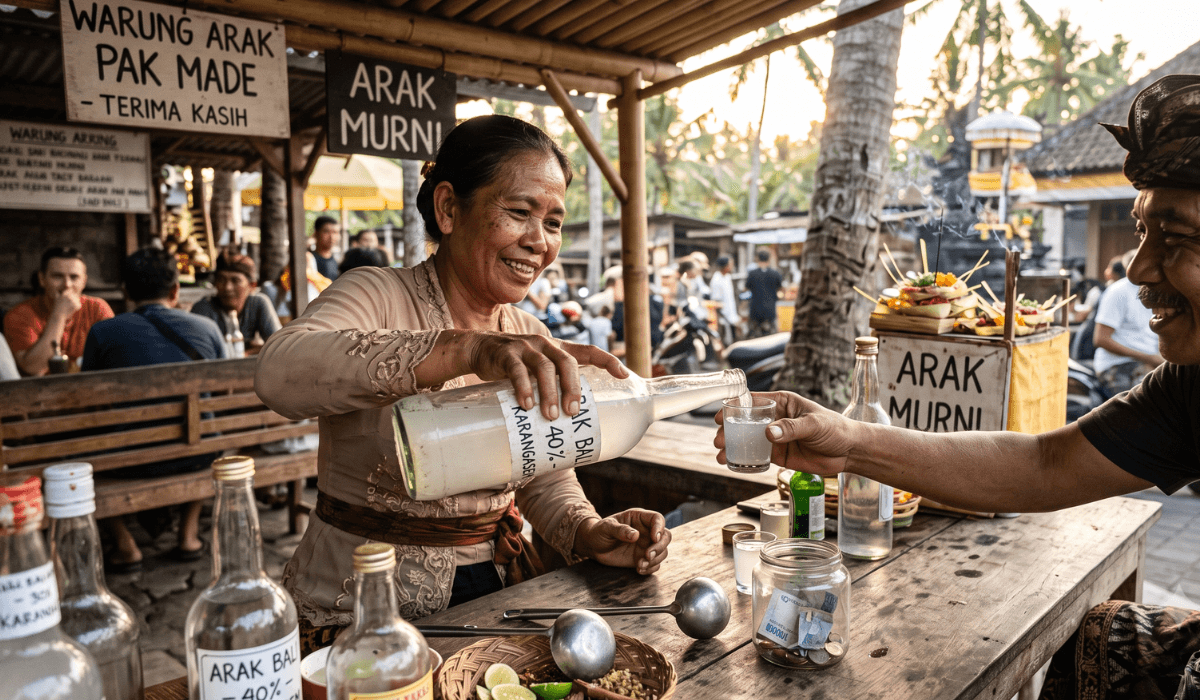
If you have spent even a few days in Bali, chances are you have already come across arak without really knowing what it is. It shows up on cocktail menus, behind bars, at local celebrations and sometimes in bottles sitting on shop shelves alongside the more familiar rum, vodka and whisky. For visitors, arak can look like just another local liquor. In Bali, though, it is a lot more than that.
Arak Bali is a traditional distilled spirit with deep roots in Balinese life. It has been made for generations, particularly in parts of Bali where families have traditionally worked with palm trees and fermented drinks. The spirit is commonly made from fermented palm sap, including sap from coconut, sugar palm and lontar palms, although rice-based versions also exist. The exact character can change quite a bit depending on what is used and how it is made. And this is probably the first thing worth knowing: arak is not one single, fixed recipe.
Also Read: Is Bintang Beer Good? ABV, Taste And More About Indonesia’s Iconic Beer
Traditional producers have made different versions using different raw materials. Palm-based arak starts with sap collected from the flowers of palms. The fresh liquid can ferment naturally into tuak, a traditional palm drink, before it is distilled. Rice can also be used, with the fermented liquid being distilled afterwards. Older accounts of Balinese production describe small-scale distillers using simple equipment, including bamboo pipes and metal containers, rather than the kind of shiny industrial setup you might associate with a modern spirits company.
That traditional process is a big part of why arak can taste so different from bottle to bottle. Some versions are rough, fiery and quite intense, while newer commercially produced arak can be cleaner and easier to drink. You may notice a strong alcoholic heat when you taste a traditional version, particularly if you are used to softer spirits. The alcohol level can also vary, so there is no single ABV that can accurately describe every arak in Bali.
This is where things get interesting because there isn't really one tasting note that covers the whole category.
Palm-based arak can have a slightly earthy, vegetal or fermented character, sometimes with a warm sweetness underneath. Rice-based versions can feel different again. The stronger traditional bottles can be pretty aggressive on the first sip, which is one reason arak is often used in mixed drinks rather than simply poured neat for tourists.
Also Read: What Should Indians Know About Drinking In Thailand? Alcohol Laws, Drinking Age And Fines Explained
If you have seen an Arak Attack on a Bali cocktail menu, that is one of the more familiar examples. Arak has been used in cocktails on the island for decades, and it became particularly popular with tourists and expats as Bali's bar culture grew.
You will also find modern bartenders using arak in drinks that are designed to make the spirit a little more approachable. That is probably the easiest starting point if you are curious but don't fancy drinking a strong local spirit straight.
This is the part that often gets missed when arak is described simply as "Bali's local alcohol". Arak has traditionally been connected with religious ceremonies, offerings, celebrations and community life. It is not unusual to see references to arak alongside other traditional Balinese drinks such as brem and tuak. The Balinese government has also treated the spirit as part of the island's cultural heritage rather than just another alcoholic product.
In 2020, Bali introduced Governor Regulation No. 1 of 2020, which created a framework for the management of traditional Balinese fermented and distilled drinks, including arak Bali, brem Bali and other traditional products. The regulation is still listed as in force by Bali's official legal documentation system. More recent provincial planning documents also mention expanding Arak Bali sales in local hotels and restaurants as well as national and international markets.
Also Read: What Alcohol Should You Buy From Thailand? 10 Local Bottles Worth Bringing Home
That changed the conversation around the spirit quite a bit. Rather than leaving traditional arak entirely in the informal market, the regulation aimed to improve standards, traceability, production and legal distribution. Bali's provincial government has also continued action against products made outside the traditional framework, including "arak gula", or arak made using sugar rather than the traditional raw materials.
Today, there is no shortage of Arak Bali producers. The spirit has grown from something traditionally made by small local distillers into a much bigger, regulated drinks category, with the Bali government saying in 2026 that around 58 local arak brands had emerged. Among the names that have been around for much longer is Arak Bali Dewi Sri, which traces its roots to 1968 and is known for making traditional arak and brem from fermented glutinous rice. There are newer names too, including Dewan Arak Bali, Sajeng Patala, IWAK Arumery and Arak Bumbung, showing how the old Balinese spirit is now being presented in several different styles.
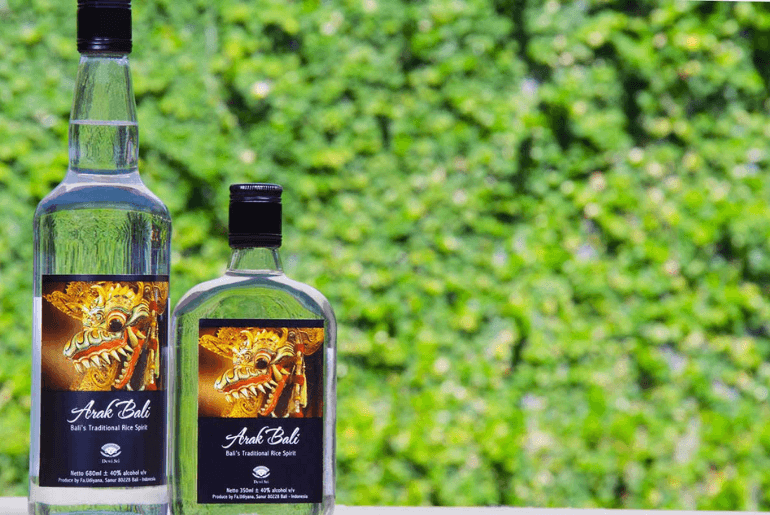
If you are curious, I would say try it, but be a little sensible about where you get it. Arak has had a complicated reputation because poorly produced or adulterated alcohol has caused serious poisoning incidents in Bali in the past. That is one reason regulated production matters. Buying a properly labelled commercial bottle or ordering an arak cocktail at an established bar is very different from accepting an unlabelled bottle of homemade spirit from a random source.
For a first taste, an arak-based cocktail is probably the less intimidating route. You still get the character of the local spirit without the full alcoholic punch hitting you at once.
Also Read: Thailand Updates Alcohol Rules; How Will It Affect Indian Travelers?
And honestly, that is what makes arak interesting. It is not simply Bali's answer to vodka or rum. It is tied to the island's farming traditions, ceremonies, local producers and changing drinks culture. You can taste the old Bali in it, while the newer bottles and cocktails show how the spirit is finding a place in the modern island as well.
I find arak much more interesting when you look at it as part of Bali rather than treating it like another holiday drink to tick off a list. If I were visiting, I would probably start with an arak cocktail at a good bar and then, if I liked it, try a proper bottled version. There is something nice about knowing what is actually in your glass and where that spirit comes from.
Arak is a traditional Balinese distilled spirit made from ingredients including palm sap and, in some versions, rice. It has religious, cultural and community connections across Bali and is now regulated under provincial rules. For travellers, a properly produced bottle or bar-made cocktail is the safest way to discover this distinctive local spirit.