


If you’re a wine enthusiast or even slightly curious about it, chances are you must’ve lately come across a lot of ‘natural wine’ hovering on everyone’s tongues. It is not a sudden trend but rather a well-preserved way of making wine that has existed since some time. In this article, we’ll dive deeper into what exactly makes some wine ‘natural’ and if it’s actually different from most other wines!
As the name suggests, natural wine is made using little to no intervention. Think of it as a zero-photoshopped, stripped-back approach to wine-making.
When you refer to a kind of wine as ‘natural wine’, it does not directly imply that other kinds of wine are ‘artificial’ or ‘unnatural’. It simply means that the former was made with as little intervention as possible.
When making natural wine, grapes are typically grown by small-scale, independent grape farmers and producers. Grapes are picked from sustainable, organic, or biodynamic vineyards. Additionally little to no sulfates are used in the production. We’ll glance over these differences in the below paragraphs. Wine is fermented with no added cultured or selected yeast. Additionally, no additives and little to no sulfites are added.
Even though these three kinds of wines somewhat overlap in their definitions, they differ from each other.
Organic wines are made from grapes grown without synthetic pesticides or herbicides. They are grown using sustainable farming methods and healthier soils. However, once they reach the winery, rules around sustainable practices don’t really restrict additives, yeast, or processing.
Biodynamic wines treat the vineyard as a living, breathing ecosystem. They follow a holistic approach, focusing on vineyard ecology, natural cycles, and soil health.
Natural wines often overlap with the two but focus on adding no lab yeast, no filtration, no fining, and sometimes even skip oak casking.
So to sum it up, all biodynamic wines are organic and only some organic wines are natural. The definition of a natural wine is not easy to define – it is more rooted in the philosophy, the intention, the process, and transparency of wine-making.
Also Read: 7 Sparkling Wines In India Under INR 3000 That Taste Like Expensive Champagne
There cannot be a single, defining answer to this question as each bottle and each kind of natural wine can taste starkly different. Broadly, however, natural wines are known for their funkier characteristics and a cloudy appearance. They are often less fruity and more yeasty in their aroma than a typical wine. Some wines are quite clear and fruity as well.
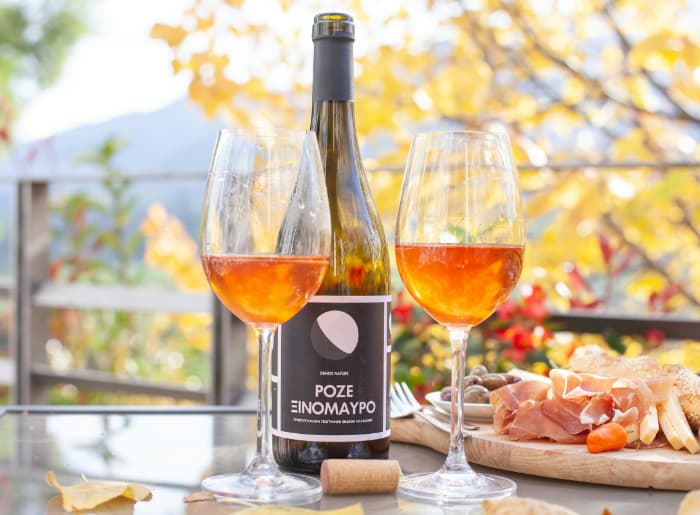
Here are three well-known kinds of natural wines:
Natural wine is known for not using any kinds of additives, sulfites, or any other preservations. So many believe that natural wines are indeed better for you. While it is mostly true, sometimes it is not.
This is because sulfites aren’t necessarily a ‘villain’ addition to a wine. Many believe that sulfites in wine cause sulfite sensitivity, leading to headaches, there is no evidence stating so. In fact, sulfite-free wines can be more unstable in the long run and are more vulnerable to spoilage. Only natural wines with a high, stable acidity can last for long periods of time as they create a hostile environment for microbes to survive.
Secondly, natural wines being unfiltered and unfined, might contain impurities that have not been cleared out of the wine. So while it does not contain preservatives and additives, it can certainly contain other harmful impurities.
Thirdly, many natural wines prefer the use of native yeasts in the process. This may occasionally increase the amount of biogenic amines, including Tyramine. For those unversed, it is one of the biogenic amines that has been proven to cause migraines and headaches.
Also Read: What Is Small-Batch Whiskey And Why Does It Cost More?
Natural wines are the talk of the town – and for pretty good reason. Made with little to no intervention, the wine is presented in its most unfiltered form, quite literally. In this article, we’ve defined the wine, explained to you key differences, guided you through its tasting notes, and shared with you its health benefits and tips.
.jpg&w=3840&q=100)
.jpg&w=3840&q=100)
.jpg&w=3840&q=100)