

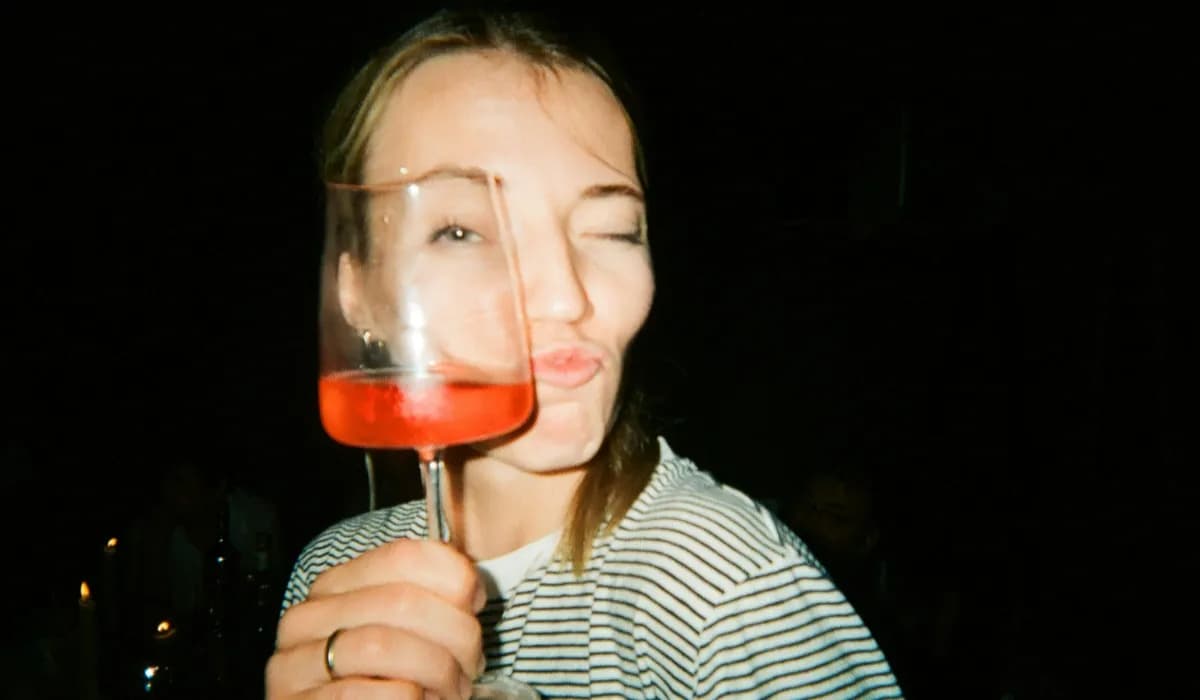
It’s a scenario familiar to many: after a few drinks, even the most disciplined eaters find themselves scouring the kitchen for leftover pizza or standing in line at a late-night kebab stall. This phenomenon – colloquially known as "the drunchies" – isn’t just a lack of willpower. It is a complex physiological reaction involving your brain chemistry, hormones, and metabolic processes.
To understand why alcohol makes you hungry, we have to look at how ethanol hijacks the systems meant to regulate energy and satiety.
While alcohol is calorie-dense (providing 7 calories per gram), the body doesn’t register these as "food" calories. In fact, alcohol actually tricks the brain into thinking it’s starving.
A landmark study published in Nature Communications revealed that alcohol activates Agrp neurons in the hypothalamus. These are the same "hunger neurons" usually triggered by actual starvation. When these neurons are stimulated by ethanol, they send out intense signals to eat, regardless of how much you’ve already consumed. This explains why you might feel intense hunger after one glass of wine, even if you just finished a full dinner.
One of the primary drivers of post-drink cravings is how alcohol affects blood sugar and hunger. The liver’s primary job is to maintain steady glucose levels in the bloodstream. However, when you drink, the liver prioritizes breaking down the toxin (alcohol) over releasing glucose.
.jpg&w=1920&q=75)
Does alcohol stimulate appetite? Yes, by disrupting the delicate balance of hunger hormones. Research indicates that alcohol consumption can lead to an increase in ghrelin levels (the "hunger hormone") and a simultaneous suppression of leptin (the "fullness hormone").
When ghrelin is high, your brain is convinced you need more fuel. Because alcohol also lowers inhibitions by affecting the prefrontal cortex, you are much less likely to resist the hormonal urge to indulge in late-night snacking after alcohol.
The craving for salty, greasy, and calorie-heavy foods like pizza or fries isn't accidental. There are two main reasons for this:
The hunger doesn't always end when you fall asleep. Many people wake up wondering, "Why am I starving the day after drinking?" even after a night of heavy snacking. This "hangover hunger" is usually the result of three factors:
The urge to feast after a night at the bar is a multi-pronged attack on your biology. Between the activation of starvation neurons in the brain, the drop in blood sugar leading to alcoholic hypoglycemia, and the hormonal shift in ghrelin levels, your body is essentially tricked into a state of perceived famine.
Understanding the science behind the drunchies can help you plan ahead – perhaps by having a protein-rich meal before drinking or keeping healthier snacks accessible – to mitigate the metabolic chaos that alcohol leaves in its wake.
.jpg&w=3840&q=100)
.jpg&w=3840&q=100)
.jpg&w=3840&q=100)