
Have you ever wondered why your go-to drink costs INR 100 in Goa but jumps to INR 300 or more in another state? The answer lies in how the government regulates alcohol distribution. Alcohol pricing in India can feel like a mystery until you actually start traveling across states. A bottle that feels affordable in one city can suddenly seem overpriced just a few hours away
Unlike most products, alcohol is not governed by a single national tax system. It does not fall under Goods and Services Tax(GST). Instead, it is classified as a state subject, which means every state government has the power to decide how alcohol is taxed, sold, and distributed. This is where the price differentiation begins.
Each state creates its own excise policies, Value Added Tax (VAT) rates, and additional levies. As a result, the same bottle can carry completely different price tags depending on where you are.
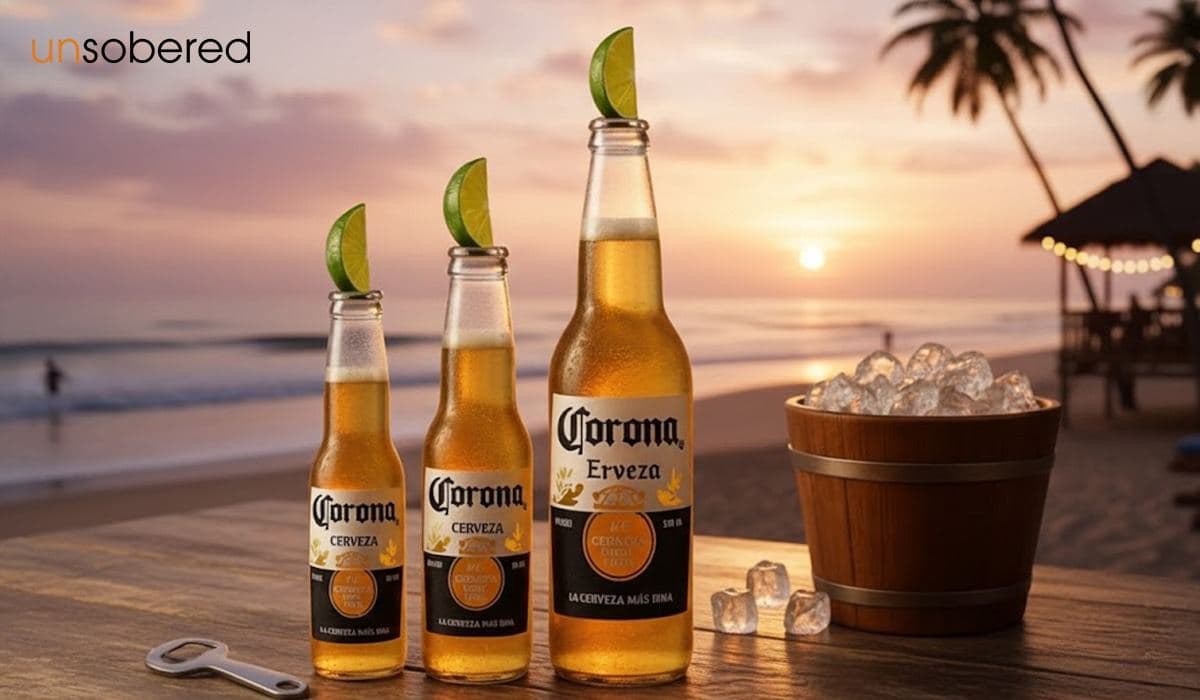
The primary reason alcohol is expensive in some states comes down to taxation. Excise duty alone can range anywhere between 50 percent and even 200 percent, depending on the state. Additionally, states may add VAT, special fees, and surge charges, thereby increasing the final retail price. In some regions, total tax rates can exceed 70 percent, while others keep it as low as 20 to 30 percent.
States like Karnataka, Telangana, and Kerala often have higher alcohol prices, while Goa, Delhi, and Haryana are known for being relatively cheaper. A simple comparison can put things into perspective: a bottle that costs around INR 100 in Goa can go up to INR 305 in Karnataka and INR 229 in Telangana, purely due to differences in excise duty and taxes.
Alcohol is one of the biggest revenue generators for state governments in India. It contributes lakhs of crores annually, making it a crucial source of income. This creates a balancing act for states.
On one hand, higher taxes bring in more revenue, whilst on the other hand, they are also used as a tool to control consumption. Governments often justify high taxes as a way to discourage excessive drinking while funding public services like healthcare and infrastructure. In states with higher consumption levels, taxes are sometimes pushed even further to maximize revenue, whereas lower taxes are applied to boost tourism and local economies.
Goa is often cited as the benchmark for cheap alcohol in India, and there is a reason for that. The state relies heavily on tourism, and affordable alcohol is part of its overall appeal. The lower the excise duties in Goa, the more accessible alcohol is, helping support industries like hospitality and nightlife.
Visitors are more likely to spend on food, stays, and experiences when alcohol prices are not restrictive. It creates a cycle where lower taxes can still lead to strong overall revenue through higher consumption and tourism activity.
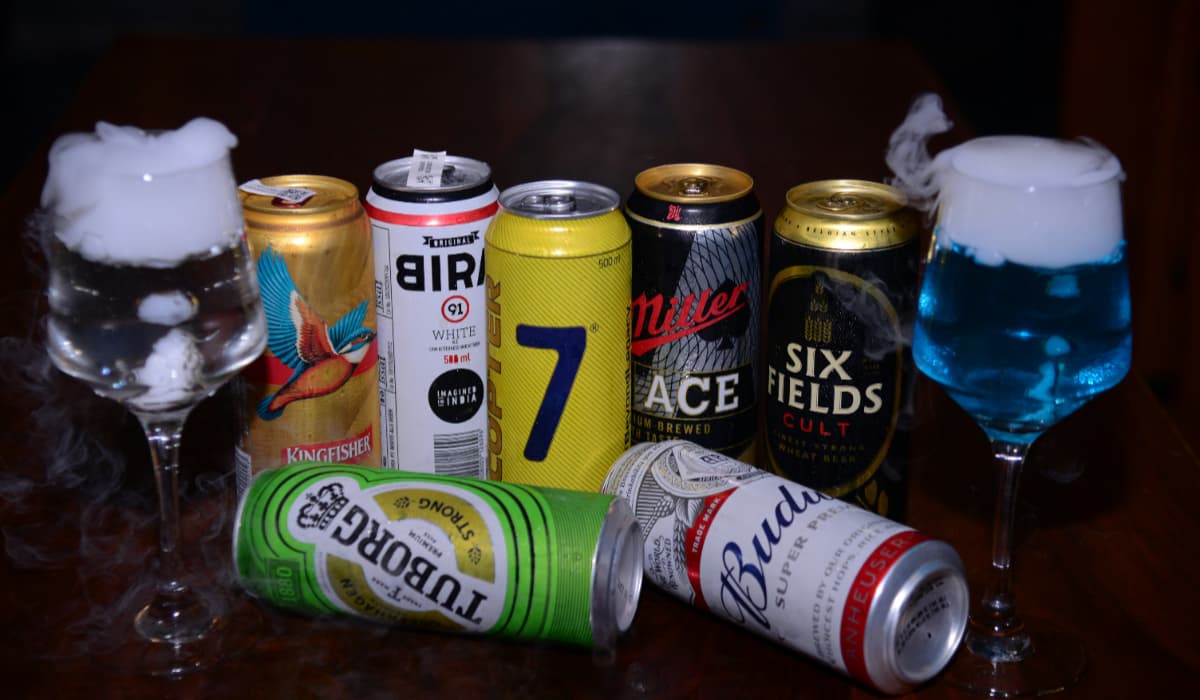
Some states operate through government-controlled retail systems, while others allow private players. Licensing fees, distribution margins, and retail policies all influence the final price you pay. For example, states with tighter regulations or higher licensing costs often pass those expenses down to consumers. This is why even within high-tax states, pricing structures can feel inconsistent.
Additionally, once prices are set, they remain fixed within a state because the government determines the maximum retail price.
States where alcohol consumption is more socially accepted may focus on volume-driven revenue, keeping prices relatively moderate. Others with stricter social views may impose higher taxes as a deterrent. This mix of policy, culture, and economics creates a fragmented landscape where no two states follow the same playbook.
For consumers, this system creates as many challenges as it does opportunities.
People often travel to neighboring states to purchase alcohol due to its lower prices. It also highlights how pricing is not always linked to the quality of the product, but rather the regulatory environment around it.
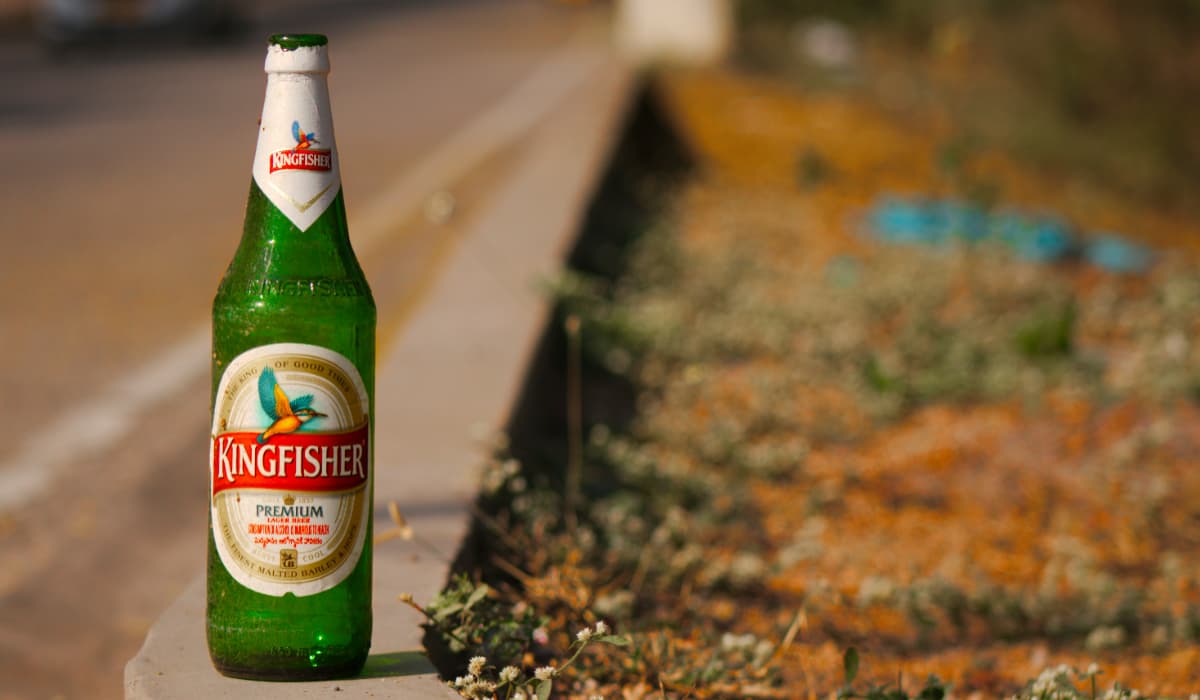
Take a common example like Kingfisher, a 650 ml bottle of Kingfisher Premium can cost around INR 95 to INR 120 in Goa, while the same bottle is priced between INR 130 to INR 170 in Maharashtra, and can go up to INR 150 to INR 180 in Telangana.
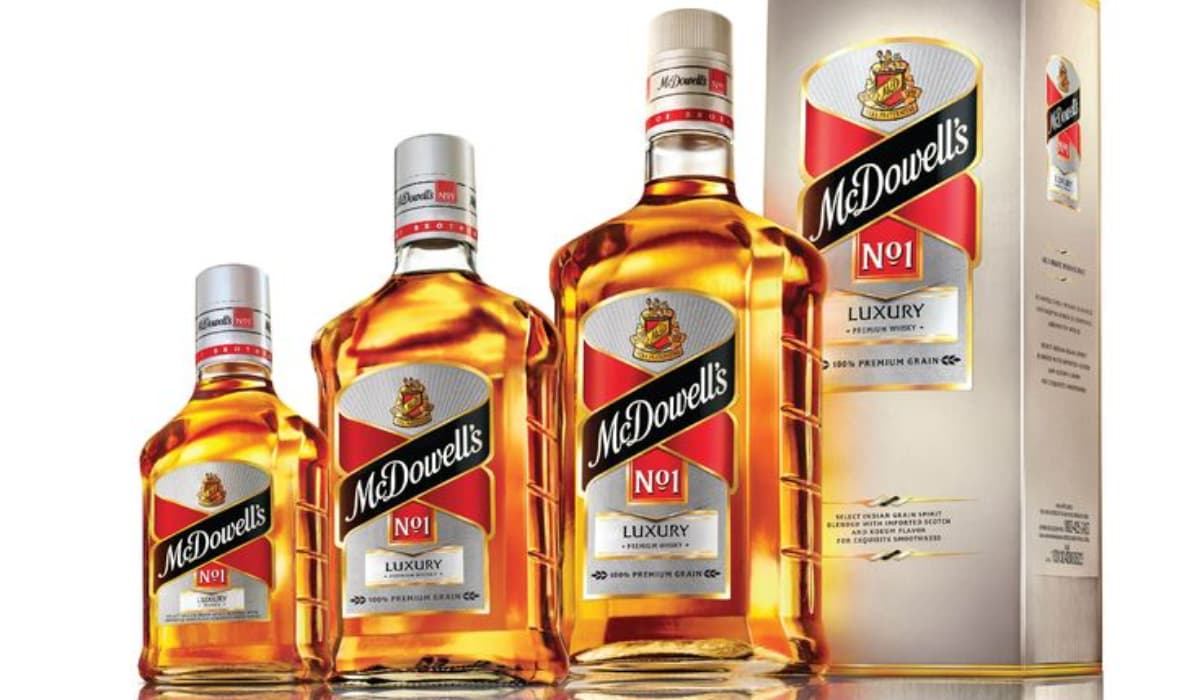
A similar pattern can be seen with whisky. McDowell’s No.1, one of India’s most widely consumed brands, is priced at around INR 500 for a 750 ml bottle in Delhi, but rises to about INR 550 in Maharashtra, INR 580 in Karnataka, and can reach INR 600 in Telangana.
The product remains the same, but the taxes and state policies around it change significantly. More importantly, it shows how India’s alcohol market is shaped less by brands and more by policy.
Alcohol is expensive in some Indian states because there is no single rulebook. Each state sets its own taxes, controls distribution, and defines its own priorities.
High taxes, regulatory costs, and policy choices all add up to create significant price differences across the country. While some states use alcohol as a major revenue tool, others use pricing to encourage tourism or manage consumption.
.jpg&w=3840&q=100)
.jpg&w=3840&q=100)
.jpg&w=3840&q=100)