

.png&w=3840&q=75)
Few gins are as instantly recognizable as Bombay Sapphire. Its iconic blue bottle has become a fixture in bars, restaurants and home collections across the world, helping introduce millions of drinkers to premium gin. While the brand carries "Bombay" in its name, it's distilled in England and has built its reputation on a distinctive vapor infusion process that sets it apart from many traditional London Dry gins.
Today, Bombay Sapphire is available in more than 120 countries and remains one of the world's best-selling premium gin brands. Whether you're mixing a classic Gin & Tonic, a Dry Martini or a Negroni, it's often the bottle bartenders reach for because of its balanced botanical profile and versatility.
If you're wondering whether Bombay Sapphire deserves a place in your home bar, here's a closer look at how it's made, what it tastes like and what makes it different from other premium gins.
Although Bombay Sapphire was launched in 1987 by International Distillers & Vintners (later becoming part of Bacardi), its recipe traces its roots to a gin formula dating back to 1761. The name "Bombay" reflects the British colonial era's association with exotic spices and botanicals arriving through India, while the distinctive sapphire-blue bottle takes inspiration from the famous Star of Bombay sapphire gemstone.
Since 2014, the gin has been distilled at the purpose-built Bombay Sapphire Distillery at Laverstoke Mill in Hampshire, England, a restored paper mill that has become one of the UK's best-known whisky and gin tourism destinations.
Also Read: Gordon's London Dry Gin Review: History, Tasting Notes, Price & Buying Guide
Every bottle of Bombay Sapphire is distilled at Laverstoke Mill using a carefully controlled production process that combines traditional Carterhead stills with modern copper pot stills.
Rather than boiling botanicals directly in neutral spirit, the distillery suspends them in perforated copper baskets above the spirit. As alcohol vapor rises through the baskets, it gently extracts the essential oils and aromas before condensing back into liquid. This process, known as vapor infusion, produces a lighter, cleaner and more delicate botanical profile than direct maceration.
It's this production method that has become Bombay Sapphire's signature.
Bombay Sapphire uses 10 sustainably sourced botanicals, each selected to contribute a specific characteristic to the final spirit.
They include:
Each botanical is sourced from a different part of the world and contributes its own layer of flavor. Juniper provides the classic pine-like backbone, citrus peels add brightness, cubeb berries introduce peppery spice, while Grains of Paradise deliver gentle warmth on the finish.
Many traditional London Dry gins steep their botanicals directly in spirit before distillation. Bombay Sapphire takes a different approach.
During distillation, the neutral grain spirit is heated in Carterhead stills, creating alcohol vapor that rises through copper baskets holding the botanicals. Because the ingredients never come into direct contact with boiling liquid, the extraction is gentler, preserving lighter citrus and floral aromas while reducing bitterness.
The result is a gin that's often described as softer, brighter and more approachable than juniper-heavy London Dry styles.
.png&w=1920&q=75)
Bombay Sapphire is bottled at 47% ABV for many international markets, while some countries receive a 40% ABV version depending on local regulations.
In India, the imported expression commonly available through premium retailers is generally 47% ABV, although travelers should always check the bottle label because alcohol strength can vary by market.
Crystal clear with medium viscosity and excellent clarity.
The aroma opens with fresh citrus, bright juniper and soft floral notes rather than intense pine. Lemon peel appears first, followed by coriander, subtle earthiness and gentle spice from cubeb berries.
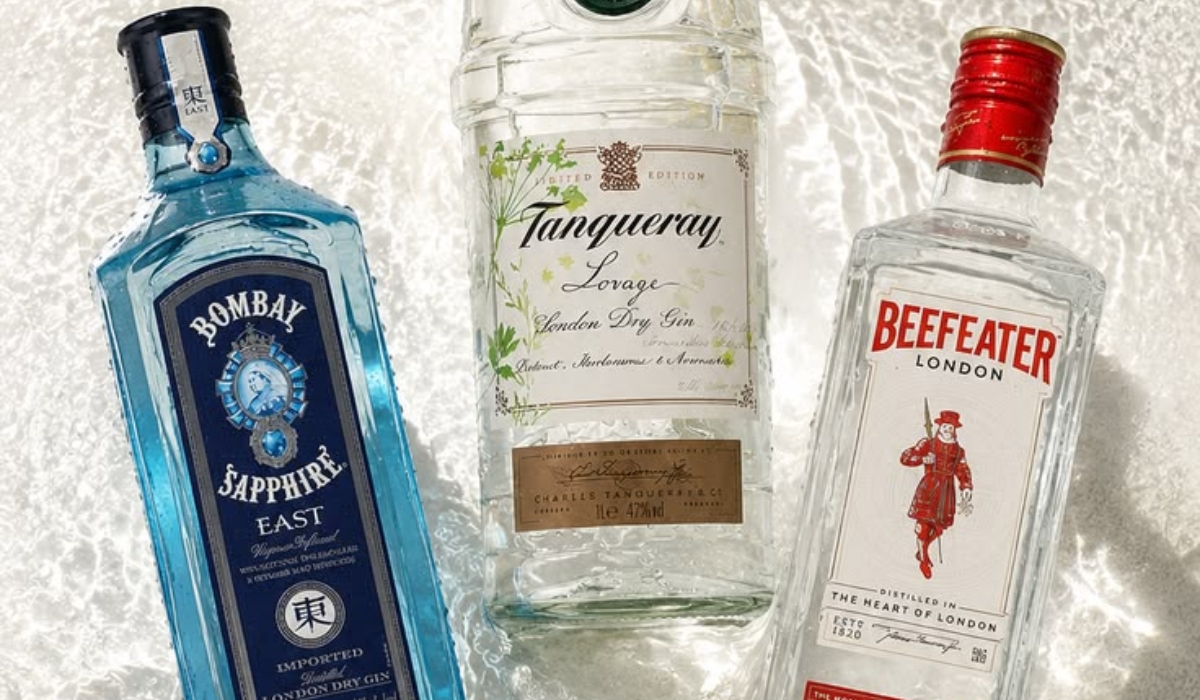
Compared with classic London Dry gins like Tanqueray, Bombay Sapphire feels lighter and more aromatic.
The first sip is smooth and balanced. Juniper forms the backbone, but citrus quickly takes center stage. Coriander adds freshness while angelica root and liquorice provide earthy complexity without becoming overly herbal.
Cubeb berries and Grains of Paradise introduce delicate peppery warmth that builds gradually rather than dominating the palate.
The overall profile remains clean, crisp and approachable.
The finish is medium in length with lingering citrus, light spice and dry herbal notes.
Instead of a sharp alcohol burn, Bombay Sapphire leaves behind refreshing botanical flavors that encourage another sip.
Also Read: Hapusa Himalayan Dry Gin: Complete Review, Tasting Notes & Buying Guide
Bombay Sapphire occupies a middle ground between traditional London Dry and modern craft gin styles.
Bombay Sapphire focuses on balance rather than intensity. Its vapour infusion process creates a clean, elegant style that works equally well for newcomers and experienced gin drinkers.
Bombay Sapphire suits a wide range of drinkers.
It's an excellent choice if you:
Its approachable flavor profile also makes it one of the easiest premium gins for people who are just beginning to explore the category.
Among gin enthusiasts, Bombay Sapphire is often praised for its consistency and versatility. While some experienced drinkers prefer more juniper-driven or experimental craft gins, many still return to Bombay Sapphire as a dependable choice for Martinis, Gin & Tonics and Collins-style cocktails because of its balanced profile and mixability.
Bombay Sapphire has been a staple behind bars for decades, but it's also one of the easiest premium imported gins to find in India. Whether you're shopping for a bottle to stock your home bar or looking for a reliable gin for cocktails, it's widely available through premium liquor stores, airport duty-free outlets and licensed alcohol retailers in several states.
Before buying, here's what you should know about pricing, availability and the best ways to enjoy it.
Also Read: Where To Buy Samsara Gin In India: Price & Availability Guide
Since Bombay Sapphire is an imported spirit, its retail price varies significantly from one state to another. Import duties, state excise taxes and distributor margins all influence the final MRP.
Below are approximate retail prices for the standard 750 ml bottle in 2026.
State | Approximate Price (750 ml) |
|---|---|
Delhi | INR 2,800–3,200 |
Goa | INR 2,300–2,700 |
Maharashtra (Mumbai) | INR 3,500–4,100 |
Karnataka (Bengaluru) | INR 3,800–4,400 |
Haryana | INR 2,700–3,100 |
Telangana (Hyderabad) | INR 3,400–3,900 |
These prices are indicative and may change due to state excise revisions, import costs and retailer promotions.
Yes, although availability depends on state liquor regulations.
Bombay Sapphire is commonly stocked in premium liquor stores across major cities, including:
It is also available through licensed alcohol retailers and state-approved delivery platforms where local regulations permit.
Because it is one of Bacardi's flagship brands, Bombay Sapphire generally enjoys wider distribution than many imported craft gins.
Bombay Sapphire is widely available at international airport duty-free stores in India, including Delhi, Mumbai, Bengaluru and Hyderabad, subject to stock availability.
Duty-free shops frequently carry:
The 1-litre duty-free bottle often represents better value than the standard 750 ml retail bottle sold in India.
Travellers should remember that India's duty-free allowance currently permits eligible international passengers to bring up to two litres of alcoholic liquor or wine, subject to applicable customs regulations.
One of Bombay Sapphire's biggest strengths is its versatility. Its balanced botanical profile makes it suitable for almost every classic gin cocktail.
The brand's signature serve remains the simplest.
Ingredients
Suggested garnish
Bombay Sapphire's clean citrus profile makes it an excellent Martini gin.
Recipe
Garnish with either a lemon twist or green olive depending on your preference.
Its balanced botanicals work well with Campari and sweet vermouth without becoming overly bitter.
Fresh lemon juice and soda highlight the gin's citrus-forward character, making it one of the easiest cocktails for beginners.
The floral and citrus notes pair particularly well with Champagne, creating a light and refreshing celebratory cocktail.
Bombay Sapphire pairs best with lighter dishes that won't overpower its botanical profile.
Good options include:
In Indian cuisine, it works particularly well with:
Very spicy curries can mask the gin's more delicate botanical notes, so lighter preparations tend to complement it better.
For most drinkers, the answer is yes.
Bombay Sapphire has earned its reputation by being dependable rather than flashy. It isn't the boldest or most experimental gin on the market, but its consistency, smooth botanical profile and versatility have made it one of the world's most popular premium gins.
It's especially well suited to:
If you're interested in exploring more adventurous botanical profiles, Indian craft gins like Hapusa or Stranger & Sons may offer something different. But if you want a reliable bottle that rarely disappoints, Bombay Sapphire remains a strong choice.
Bombay Sapphire continues to justify its place as one of the world's leading premium gins. Its signature vapour infusion process, carefully selected botanicals and approachable flavour profile have helped it remain relevant even as the craft gin market has expanded.
Whether you're stocking a home bar, experimenting with cocktails or buying your first premium gin, Bombay Sapphire offers a dependable balance of citrus, spice and juniper that appeals to a broad range of drinkers.
It may not be the most complex gin available today, but its consistency, mixability and global reputation make it a bottle that's easy to recommend.
.jpg&w=3840&q=100)