
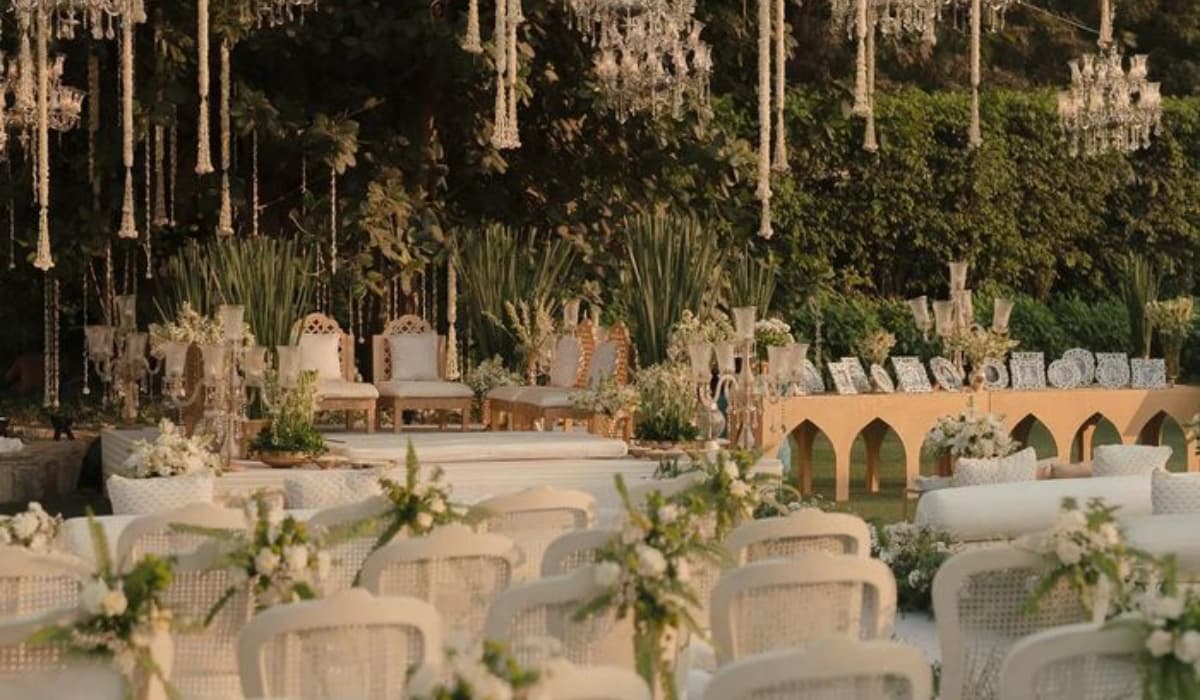
Weddings in Delhi are often big affairs with large guest lists and extensive food and beverage menus. If alcohol is being served at the wedding there are of course legalities that the host and the venue operator have to be aware of. You can serve liquor at a wedding in Delhi, as long as the venue has the requisite permission from the Delhi Excise Department.
The October 2026 notice from the Department reiterated the requirement for banquet halls and farmhouses to have an event specific P-10 permit prior to serving alcohol. If you're putting on a wedding at a farmhouse, a banquet hall, a hotel or a private residence you need to be aware of these rules as they will prevent you from having any last minute problems.
A P-10 permit is a temporary permit issued by the Delhi Excise Department authorizing the serving of Indian or foreign liquor at premises which do not hold a liquor license. It is generally used for private functions such as weddings, birthday parties etc. which are being held off license.
Under the Delhi Excise Rules 2010 you need the appropriate permit to serve alcohol at an unlicensed banquet hall or farmhouse. The department's notice of 22nd October 2026 makes it clear that a separate P-10 permit is required for each event in which alcohol is to be served. If a venue has multiple halls or separate spaces in which liquor is to be served then a separate permit is required for each of those spaces. A permit application does not in itself authorize the serving of liquor. The permit must be issued prior to the event.
Looking to make wine cocktails at home? Explore 5 easy recipes that are perfect for experimenting with your favorite wines.

The Delhi Excise Department have two P-10 permit fee categories depending on the type of premise. For the serving of Indian or foreign liquor at eligible unlicensed premises the fee is Rs 7,500. For motels, banquet halls and farmhouses which do not have an existing on-premise liquor licence the P-10 permit is Rs 15,000.
For couples looking at a banquet hall or farmhouse for their wedding the INR 15,000 fee is obviously of relevance. The October 2026 notice also kicked off a special registration drive for venue operators to complete their one-off registration on the e-Abkari portal. That registration will enable them to then apply for their event-specific permits in the future, but it doesn't in any way substitute for the need to have a valid permit for each function.
Curious about whether Scotch whisky prices are falling in Delhi? Find out what has actually changed and how it affects consumers.
Getting a P-10 permit is just one part of the Delhi liquor regulations. The Excise Department also requires that the area in which alcohol is served be screened from the public. Alcohol can only be served to persons above the age of 25. Wedding planners and venue operators have to ensure that these conditions are met during the course of the event.
Alcohol must also be bought from licensed liquor retailers in Delhi. The actual purchase invoices must be kept as proof of purchase. Organizers should also check the alsont times and all other contimes on their permit as itlistedans implies that, alcohol can be served at any time during the wedding.

Not all venues or events are covered by the same type of permit. The Delhi Excise Department also has P-13 permits which are for eligible hotels, restaurants and clubs which are already licensed to serve liquor on premise. A P-13 permit would allow for the temporary service of foreign liquor either on or off the licensed premises for a particular function, the fee listed is INR 5,000.
The department also has a separate P-10A category for commercial ticketed events. The fee is INR 1,00,000 for eligible ticketed events throughout most of the year and INR 2,00,000 for events which take place between 24th December and 31st December. These permits allow service up to 1AM under the dept's own conditions. P-10A should not be confused with the standard P-10 permit which is used for private wedding functions.
Applications for P-10 permits can be made via the official e-Abkari portal of the Delhi Excise Department. The application will require details of the applicant, venue, occasion, event date, expected number of guests, quantity of liquor proposed to be used and other such details. The wedding host will need to work with their venue operator to establish who is going to be the one to get the permission.
For weddings at licensed hotels or clubs, the relevant P-13 process may require additional information. The department's P-13 form requires the purpose of the event, the location, the length of the event, the approximate quantities of liquor to be served, the details of the invitation cards and so on. As the requirements for approval will vary by permit category, it is appropriate that the correct arrangements are confirmed prior to any alcohol service.

Delhi's excise guidance draws the line at private residences as opposed to commercial event venues. You don't generally need a temporary liquor permit to serve liquor to guests and family at your own private residence, so long as you're within the permitted possession limits and all the other relevant rules are observed.
A private function does not in itself absolve a rented farm house, banquet hall or other unlicensed venue of the requirement for a permit. It's the location and the existing liquor authorisation that will determine what rules apply.
This is all drawn from official Delhi Excise Department notices, the Delhi Excise Rules, 2010, and the government's own permit application guidelines. It covers the details of the P-10, P-10A and P-13 permits, applicable fees, eligibility requirements, liquor sourcing rules, and the licensing process for serving alcohol at private events in Delhi.
Alcohol can be served at weddings in Delhi but the requirements will vary depending on the venue. Unlicensed banquet halls and farmhouses will generally require a P-10 permit which is INR 15,000 per event, other eligible premises may be in the INR 7,500 bracket. Licensed hotels, restaurants and clubs will have their own authorisation requirements.
The Delhi Excise Department is making it very clear that you need an event specific permit. The wedding organisers therefore need to check that their venue is licensed, complete the application and adhere to the conditions of the licence before they start serving alcohol at the event.