
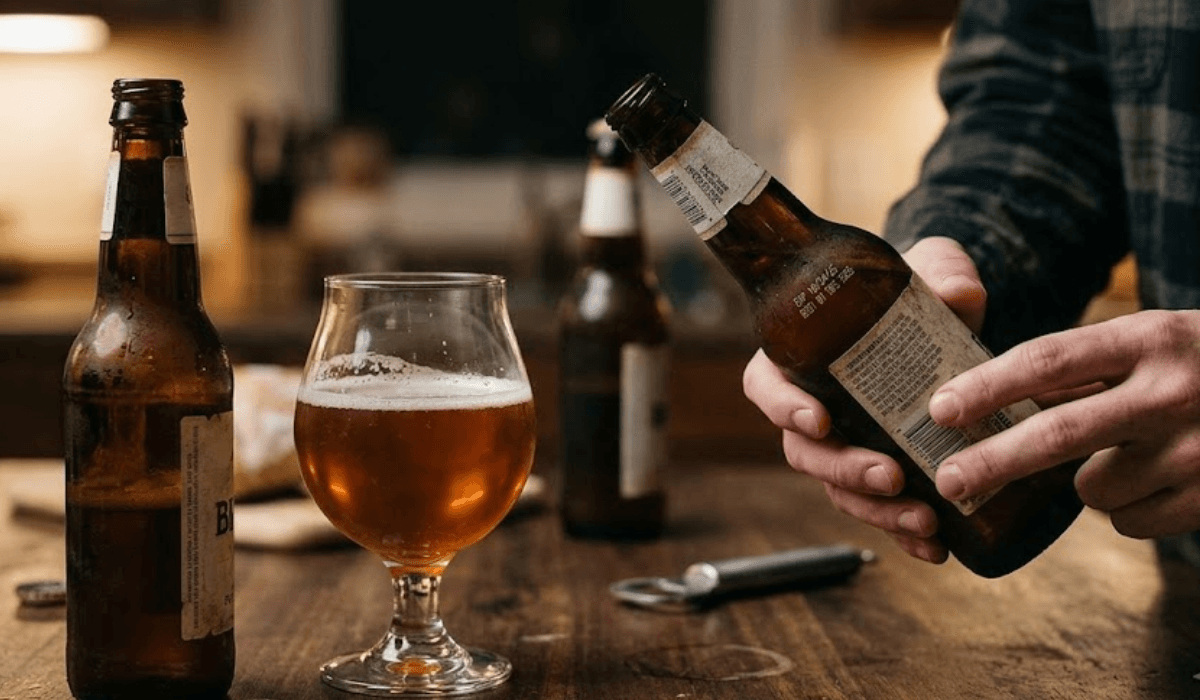
Found an old beer can at the back of the fridge and noticed that the best-before date has passed? Before you pour it down the sink, there is something worth knowing. Beer does not suddenly turn bad the moment that date arrives, although its taste and freshness can change with time.
Beer is a perishable product, and brewers put a best-before date on the packaging to help people enjoy it while it is still at its intended quality. Heineken, for example, says its beer stays fresh for around six months and recommends checking the date on the pack. The exact period depends on the beer and how it has been stored, so there is no single shelf life that applies to every bottle or can.
Yes, beer has a limited shelf life, but the word expire can be a little misleading here. A best-before date is generally about quality rather than a guarantee that the product becomes unsafe immediately afterwards.
The Brewers Association explains that beer quality can deteriorate between the brewery and the glass. Time, temperature, packaging and exposure to light all affect how well a beer holds up. So, a beer that is a few weeks past its best-before date and has been stored properly may simply taste less fresh than it should.
That said, do not treat the date as something you can ignore in every situation. A damaged container, poor storage or unusual changes to the beer are reasons to be cautious. If the packaging is leaking, badly damaged, swollen or otherwise looks compromised, it is better to discard it rather than take a chance.
Also Read: What Is Meghalaya's Traditional Rice Beer? Ingredients And History
The most common problem is a change in flavour, aroma and overall drinking experience, rather than the beer suddenly becoming poisonous on a particular day.
Beer can gradually lose some of the qualities that made it taste good when it was fresh. Hoppy beers may lose their bright, fresh aromas, while other beers can develop stale or cardboard-like notes as they age. Carbonation may also feel weaker, depending on the condition of the packaging.
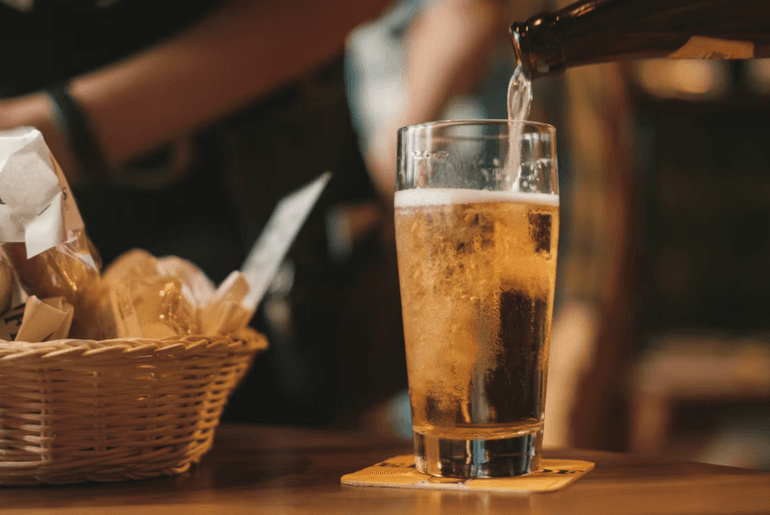
In other words, an old beer might taste dull, flat or simply different from what you expected. That does not automatically mean it will make you ill, but it is a good reason not to drink it if something seems off.
There is no reliable rule that says every beer is fine for a fixed number of days or months after its date. The style, packaging and storage conditions make a difference, which is why checking the date and the condition of the container both matter.
Also Read: Best Fall Beers 2026: Indian Craft Beers, Oktoberfest Lagers And Stouts
Start with the packaging. If a can is leaking, swollen or badly damaged, or a bottle has a cracked neck or compromised seal, do not drink from it. A container that looks suspicious should not be tested by taking a sip.
If the packaging is intact, pay attention when opening the beer. An unusual smell, unexpected appearance or flavour that is clearly different from normal can be a warning sign. Beer can develop stale flavours as it ages, but you should not rely on smell or appearance alone to establish that a drink is safe.
Also, do not assume that every beer that tastes a little different has spoiled. Some changes are simply the result of ageing and lost freshness. If you cannot tell whether something is wrong, the sensible choice is to leave it rather than force yourself to finish it.
Storage makes a real difference. Heineken recommends keeping beer in a cool, dry place away from direct light and heat, and chilling it in the refrigerator before drinking. The Brewers Association also identifies temperature and light exposure as factors that affect beer quality.
Also Read: Why Are Beer Sales Rising In Karnataka? What The Latest Excise Data Shows
A few simple habits help:
Refrigeration can help preserve quality, but it cannot restore beer that has already gone stale. And while a beer past its date may still be drinkable, that is not a reason to assume every old bottle has been stored well.
Not necessarily. If an unopened beer is only slightly past its best-before date, has been stored correctly and its packaging is intact, the date alone does not prove that it is unsafe. Its quality may have declined, though, and the manufacturer's guidance is still the best starting point.
For beer that is far past its date, has been kept in heat or has questionable packaging, it is better to be cautious. There is little point risking an unpleasant drinking experience for a can that has been forgotten at the back of a cupboard.
The easiest way to think about it is this: the best-before date tells you when the brewer expects the beer to be at its best, not the exact moment it stops being drinkable.
Also Read: What Does Asahi Beer Taste Like? ABV, Flavor And How Strong It Is
I would not automatically throw away a beer just because its best-before date has passed, but I would check how it has been stored and whether the packaging is in good condition first. Beer is meant to be enjoyed for its flavour, and if it smells unusual, looks wrong or leaves you unsure, it is simply not worth the gamble.
Beer can lose its freshness after the best-before date, but it does not automatically become unsafe the moment that date passes. Storage, packaging and the beer style all matter. If a can or bottle is damaged, or the beer seems unusual, do not drink it.