
“Keep yourself hydrated,” “Drink more water,” these are some of the most common and widely shared pieces of advice that are given for surviving a night out! Well, the logic behind this is simple. Water leads to urination, which helps in flushing out the alcohol from your body, and that will keep you away from a hangover. But medical research shows a different picture, which speaks about how drinking water does not cure or prevent a hangover. Let's try to understand what the science says about this.
To understand why water does not prevent or cure a hangover, you must understand what exactly alcohol does to your body. Let's understand two separate co-occurring processes: dehydration and veisalgia (medical term for a hangover).
So basically, alcohol is diuretic in nature (a substance that produces more urine). Alcohol inhibits the pituitary gland’s release of vasopressin, which is an antidiuretic hormone. Without vasopressin, your kidneys dump water directly into the bladder, which is why you urinate more volume than the liquid you have actually consumed. This leads to classic dehydration symptoms like
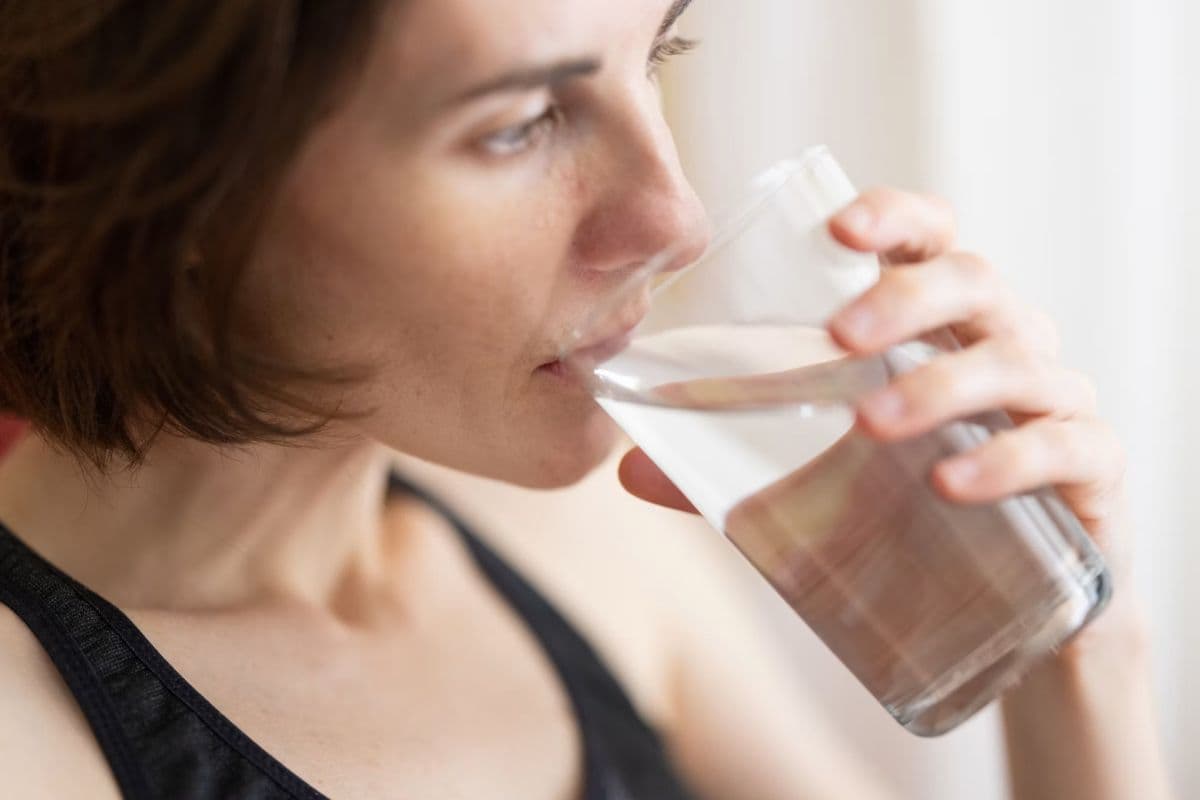
Drinking water between alcoholic beverages or before sleeping helps fix these dehydration issues. It helps bring back the fluid balance by quenching your thirst. So basically, dehydration is not the main culprit of a hangover.
Also Read: Can I Drive After One Drink In India? How Alcohol Limits Work In India
.jpg&w=1920&q=75)
A hangover is a complex multi-system physiological crisis which is driven by three factors:
Your liver uses an enzyme called alcohol dehydrogenase (ADH) in order to process alcohol and break it into acetaldehyde. It is a highly toxic compound that is 10 to 30 times more toxic than the alcohol itself.
Your liver slowly converts this acetaldehyde into acetate, which is harmless in nature. But the catch is that it can do this conversion at a fixed rate. So when you drink faster, your liver struggles to keep up with this, and acetaldehyde gets collected in your bloodstream. Now this leads to flushing, nausea, intense throbbing pain, sweating, and rapid heart rate. Water cannot help in neutralizing acetaldehyde or speeding up liver enzyme activity.
When you drink a lot, your body thinks that you are sick. Hence, it triggers your immune system to release cytokines, which are the same chemicals that are released when you have the flu. Hence, a hangover feels like the flu with body aches, tiredness, brain fog, and bad mood. Drinking does not help suppress this immune system release.
Gut Disruption: Alcohol directly irritates the stomach lining, which delays the emptying of the stomach and increases gastric acid secretion. This leads to stomach pain, nausea, and vomiting.
Sleep Disruption: While alcohol helps you fall asleep faster, it destroys REM sleep. This leads to frequent micro-arousals in the second half of the night.
While we have understood that water does not help in curing or preventing a hangover, it is not completely useless.
When you alternate alcoholic drinks with a glass of water, it slows down your overall consumption rate. This also gives your liver a little more time between drinks and prevents a rapid spike in BAC or Blood Alcohol Concentration. It also prevents acetaldehyde from getting collected in the bloodstream.
The worst combination to exist is feeling dehydrated and feeling hungover together. Drinking water can help eliminate dehydration from the equation, which means you only have to deal with a hangover.
.jpg&w=1920&q=75)
There is no magic pill or beverage that can help erase the effects of excessive drinking for you. But some tips can actually help in controlling them.
Pace yourself: The human liver can metabolize roughly one standard drink per hour. So if you stay within this limit or anywhere close will help your liver to clear acetaldehyde before it leads to inflammation.
Low Congeners: Drinks that have high congeners significantly lead to severe hangovers. Choose spirits that are lower in congeners like vodka and gin. Higher concentrations of congeners are found in dark spirits like red wine, whiskey, and bourbon.
Also Read: Hangover Cure At Home: What Actually Works In 2026
Time: Time is the only cure. Your liver needs 8 to 24 hours to clear all the toxins from the body, calm down immune inflammation, and also restore the normal functions of the nervous system.
Eat Right: Make sure you consume complex carbohydrates before drinking. This is because food in the stomach delays gastric emptying, prevents sudden BAC spikes, and slows absorption of alcohol.
I believe water, or basically no other substance, can actually help in saving you from sever hangover if you resort to excessive drinking. Hence, make sure you stick to moderation and mindful drinking.
Water is an essential part of basic health, so enjoy it for what it is. Don’t think of it as a shield against the consequences of alcohol. Use it to quench your thirst, go for smart choices, pace yourself while drinking, and rely on moderating your drinks to prevent a hangover.
.jpg&w=3840&q=100)
.jpg&w=3840&q=100)
.jpg&w=3840&q=100)