
At first glance, it seems impossible to imagine the French choosing any alcoholic beverage other than wine; however, that perception is starting to change. For France, wine represents culture, routine identity, its history, etc. It didn’t matter what the occasion, a birthday party, a promotion, a World Cup win, wine has always been deeply woven into everyday French life
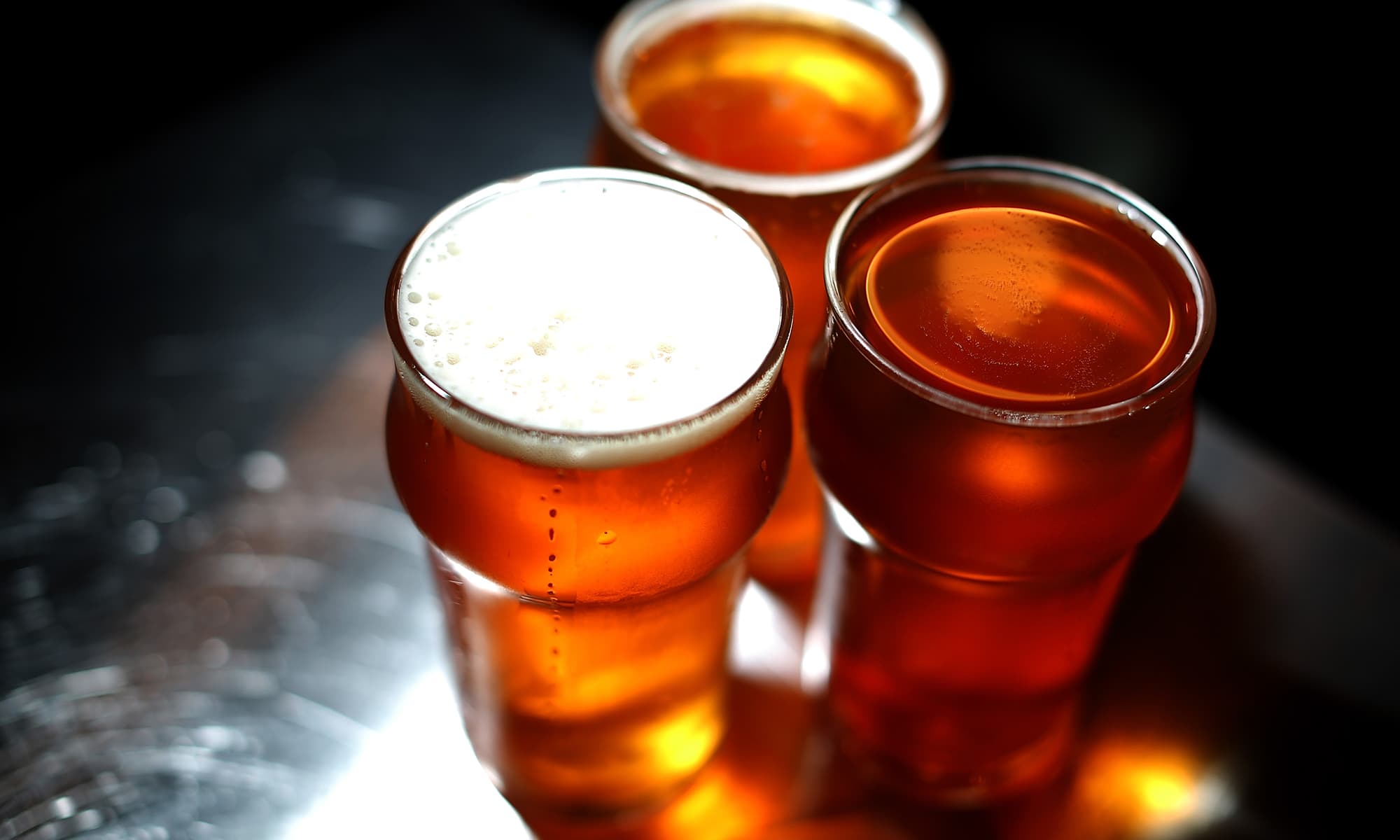
For the first time in modern French history, beer consumption has overtaken wine consumption. People in France are now drinking more beer annually than wine, marking a major cultural shift in one of the world’s most iconic wine-producing nations.
France remains home to Bordeaux, Burgundy, Champagne, and several globally respected wine regions. However, the numbers reveal something much larger than just changing beverage preferences. They reflect how younger consumers are drinking differently, how nightlife culture is evolving, and why beer suddenly feels far more relevant to modern social habits.
Older generations often treated wine as part of daily life rather than simply alcohol. It was common to have wine during lunch, dinner, or even casual weekday meals cooked in, you guessed it, cooking wine, without much thought. Younger consumers, on the other hand, are no longer following the same habits as their parents or grandparents. Instead of daily wine consumption, they are leaning toward drinks that feel more casual, social, and easier to approach.
In an article by The Independent, according to the International Organisation of Vine and Wine (OIV), the French drank 22 million hectolitres of wine last year, just shy of the 22.1m hectolitres of beer reported by Brewers of France.
Unlike wine, beer carries itself with a lot less formality, be it a football screening, music festival, or a simple rooftop gathering. While the difference between the numbers in wine consumption and wine consumption itself may not be huge, the symbolic importance of the moment is enormous. It reflects a clear generational shift in how people approach drinking culture.
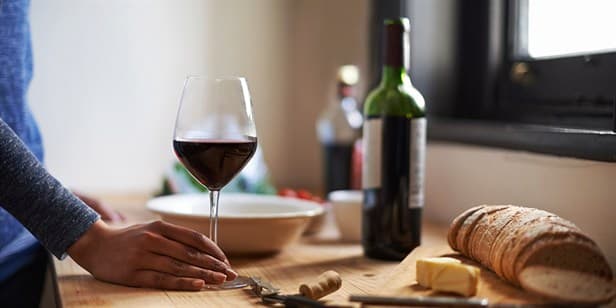
When discussing wine vs beer, the rise of beer in France did not happen overnight; several cultural and economic factors have gradually pushed consumers in this direction over the last decade.
One such reason is accessibility; beer is often cheap and easier to find and far less intimidating to casual drinkers. You do not need extensive knowledge about grape varieties, vintages, or wine regions to enjoy a pint. That simplicity matters to younger audiences who prefer low-pressure drinking experiences.
The craft beer movement has also played a major role in reshaping French drinking culture as independent breweries across France have expanded rapidly, introducing consumers to IPAs, lagers, stouts, sour beers, and experimental styles that feel fresh and modern.
Several factors are helping drive this shift:
A focus on health consciousness has also played a part in its own way. Younger generations in France are generally drinking less alcohol overall compared to older consumers. Daily wine consumption is no longer viewed as normal in the same way it once was. Instead of drinking wine regularly at meals, many consumers now drink occasionally in social settings. Beer naturally benefits from that kind of behavior because it fits more easily into casual nightlife and group gatherings.
France remains one of the world’s largest wine producers and exporters, and wine still carries enormous prestige across dining, tourism, and celebrations. What has changed is the frequency and context in which people consume it. Wine, as a beverage, is increasingly associated with curated dining experiences, special occasions, and premium consumption rather than everyday drinking.
That transition mirrors broader global drinking trends as consumers are moving away from traditional consumption trends and toward more experience-focused drinking habits.
Some wine producers in France have already started feeling the impact of declining domestic demand. Vineyards are struggling as younger consumers show less interest in maintaining traditional wine-drinking habits. Meanwhile, beer-focused venues and breweries continue expanding in urban areas.
Over the last decade, global alcohol culture has changed dramatically, especially among younger audiences. Social media, travel culture, international food trends, and nightlife experiences have all contributed to beer becoming more universal and adaptable. Craft beer culture, in particular, has become closely connected to creativity, design, music events, and local communities.
Beer brands today are not just selling easy-to-access alcohol, but rather they are trying to sell the experiences, the atmosphere, and the brand's personality. That approach resonates strongly with younger consumers who value flexibility and authenticity over tradition. Wine still carries a certain seriousness and sophistication, but the difference matters in social environments where consumers want something relaxed and easy rather than formal.
The symbolic importance of beer overtaking wine in France extends far beyond consumption numbers. It signals a broader transformation in how modern consumers relate to alcohol itself. While today’s drinkers are more experiential, they are more invested in having variety, authenticity, and social experiences rather than a rigid drinking schedule. That mindset naturally benefits categories like craft beer, which thrive on innovation and accessibility.
At the same time, wine is unlikely to disappear from French culture anytime soon. Its historical importance remains far too strong. What seems more likely is that wine and beer will continue occupying very different spaces moving forward. Wine may increasingly position itself as a premium, experience-focused category, while beer continues to become the dominant everyday social drink for younger generations.
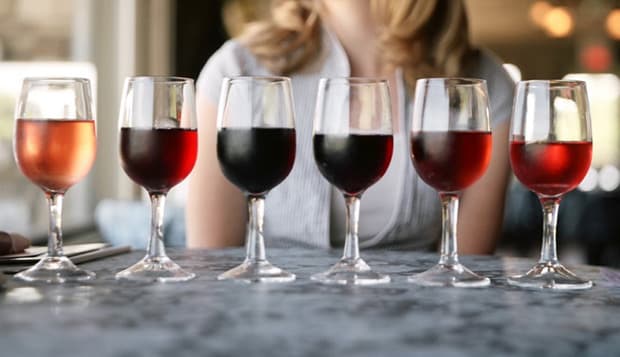
Few countries are as closely associated with wine as France, which is why this shift feels so remarkable. Beer overtaking wine consumption is not simply about changing beverage preferences. It reflects changing lifestyles, nightlife culture, and generational attitudes toward drinking.
Younger consumers are prioritizing flexibility, affordability, and casual social experiences over tradition. Beer aligns perfectly with those expectations, especially as craft brewing continues to grow across Europe.
Many younger consumers prefer drinks that feel more casual, social, and easier to enjoy in everyday settings, also more affordable and less formal than wine.
Yes, wine remains deeply connected to French culture and dining traditions. However, it is now consumed less frequently and is increasingly associated with special occasions rather than daily meals.
The rise of craft breweries has introduced French consumers to a wider range of flavors and styles, making beer more exciting and appealing to modern drinkers.
Yes, younger generations are generally drinking less alcohol than older consumers. They are also becoming more selective about what and when they drink.
It reflects changing lifestyles, evolving social habits, and a shift toward a more relaxed and experience-driven drinking culture in France.