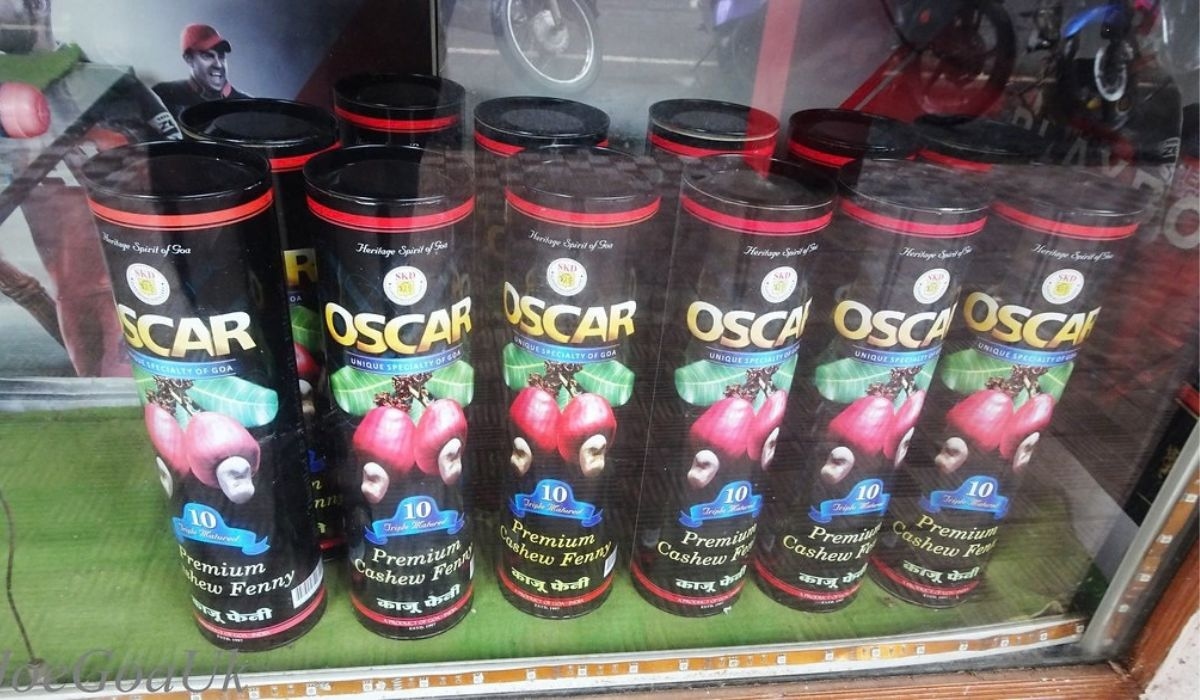

Ask someone to name a drink that feels distinctly Goan, and cashew feni will probably come up pretty quickly. It is made from a fruit that many people outside the region barely think about, has been produced by local distillers for generations, and is closely tied to the state's cashew-growing villages. You will find it poured in traditional homes, served in local bars and increasingly featured on cocktail menus, but feni's story started long before Goa became a holiday destination.
Cashew itself was brought to India from Brazil by the Portuguese, and over time the fruit found a place in Goa's landscape and local economy. The Government of Goa has noted that cashew cultivation became closely connected with the state's identity, with the fruit being used not only for its nut but also to make feni. What began as a traditional way of using the cashew apple eventually became one of Goa's best-known local products.
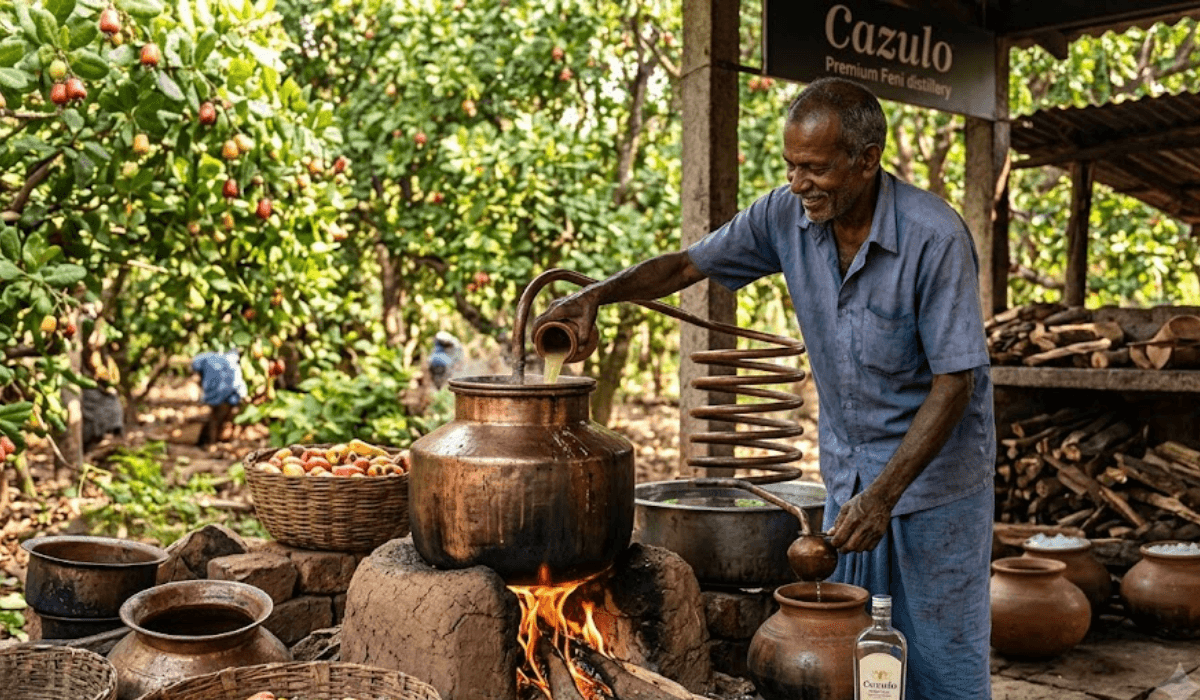
The interesting thing about cashew feni is that it is made from the fleshy cashew apple, not the nut most of us snack on. When the fruit ripens and falls from the tree, it is collected and pressed to extract its juice. The juice is left to ferment before being distilled, traditionally using simple copper or metal stills.
The process also explains the connection between urrak and feni. According to Goa's Excise Department, fermented cashew juice is first distilled to produce urrak, a lighter spirit. A further distillation involving more juice produces cashew feni. The two drinks come from the same process, but they are different products, and urrak is generally associated with the short cashew season.
This production cycle makes cashew feni a seasonal spirit. The cashew harvest usually runs from late winter into spring, with the main feni-making period generally falling between late February and May. It is not something that can be produced from fresh cashew apples in exactly the same way throughout the year, which is part of what makes the season special for local distillers and drinkers.
For many Goan families, feni has long been connected with village life and traditional livelihoods. The trade involves more than the person distilling the spirit: cashew growers, fruit collectors, juice extractors, distillers, bottlers and retailers all play a part. Goa's Forest Development Corporation has also highlighted the employment and income generated by cashew-related work, particularly during the months when harvesting and processing are underway.
Also Read: Goa Beats Mumbai In India’s Top 100 Bars: 20 Bars Make The List As Non-Metro Cities Rise
The spirit's reputation grew alongside Goa's tourism industry, but it was never simply a drink created for visitors. The state government's own Feni Policy describes distillation as a tradition and cultural practice, as well as an economic activity that supports families. That connection is important because feni's identity comes from its production methods and place of origin, not just its flavour or alcohol content.
Traditional cashew feni can have a strong, fruity and sometimes pungent aroma, with a flavour that may take a little getting used to if you have only tried whisky, rum or vodka. It is often enjoyed neat or mixed with soda, lime and other ingredients, while newer bars have experimented with feni-based cocktails to introduce it to people who may not usually order a local spirit.
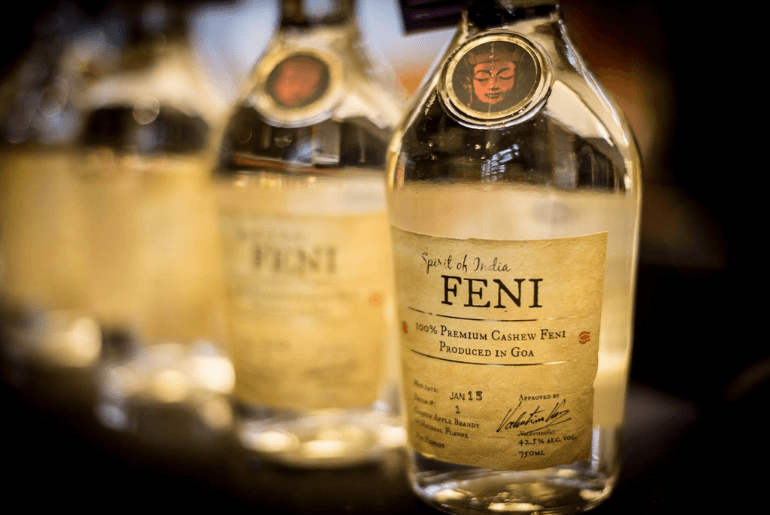
A major moment in feni's history came when cashew feni received Geographical Indication, or GI, recognition. India's official GI registry records the registration of Feni, with Goa as its geographical area, in 2009. This recognition helped establish the link between the product and its place of origin, giving traditional producers a way to distinguish authentic Goan feni from spirits made elsewhere.
The Government of Goa later declared feni its Heritage Spirit in 2016, recognising the drink's cultural and economic importance. It has also introduced policy measures intended to standardise production, protect the GI identity and support traditional stakeholders. The 2021 Feni Policy sets out specifications for the production and sale of feni, including rules around harvesting, juice extraction, fermentation, distillation, storage, ageing and bottling.
Also Read: Why Goan Feni Has A GI Tag But Is Losing The Battle To Craft Gin
The state has continued to promote feni through initiatives such as Goa Cashew Fest, which brings together growers, distillers, processors and other people working in the cashew industry. These efforts are not only about selling more bottles. They are also about keeping traditional knowledge alive and helping local producers benefit from the growing interest in Goan food and drink.
Feni is now being presented in more ways than it was in the past, with bottled versions and cocktails giving the spirit a wider audience. That does not mean the traditional way of making it has lost its importance. In fact, the challenge is to make feni easier for new drinkers to discover without losing the practices and regional identity that make it distinctive in the first place.
For Goa, cashew feni is a reminder that a local product can become a symbol of a place when agriculture, tradition and community livelihoods come together. It may now appear in a polished cocktail glass, but its story still begins with ripe cashew apples gathered during the harvest.
Also Read: Beer Brands You Can Only Find In Goa
I think feni is one of the more interesting things to explore when visiting Goa because it gives you a taste of the state beyond its beaches and party scene. I would try it at a place that knows the spirit well, whether that means a traditional pour or a cocktail, and ask a little about where it comes from. The story behind the drink is half the experience.
Cashew feni became Goa's signature spirit through generations of traditional distilling, a close connection with cashew farming and recognition of its cultural importance. Its GI registration and Heritage Spirit status helped protect that identity, while government initiatives continue to support producers and introduce this distinctive Goan drink to new audiences.
.jpg&w=3840&q=100)