
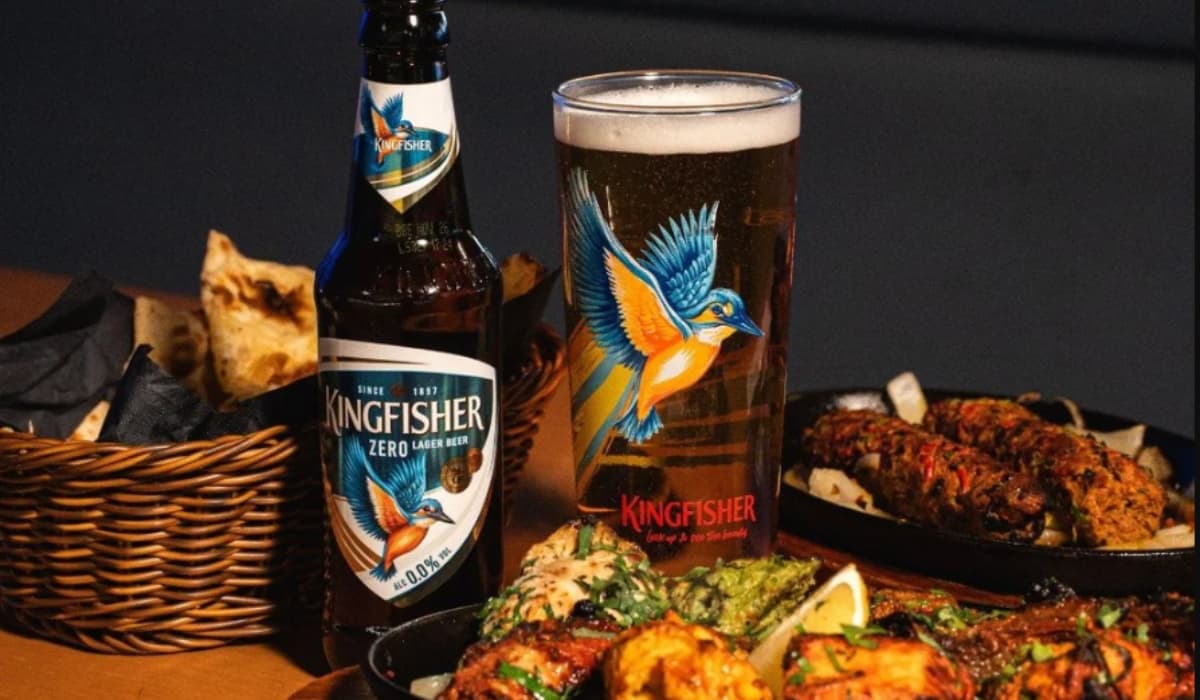
Over the past four decades, Kingfisher has evolved into a cultural icon that has shaped how millions of Indians celebrate, socialize, and experience leisure. From cricket stadiums and music festivals to college gatherings and neighborhood bars, the brand has built a presence that extends far beyond alcohol. Its famous tagline, "King of Good Times," became part of everyday conversations and represented an aspirational lifestyle that resonated across generations.
Kingfisher's journey has not been without challenges; the rise of Dr. Vijay Mallya, the success and collapse of Kingfisher Airlines, changing consumer preferences, increasing competition, and shifting regulations all tested the brand's resilience. Yet despite its highs and lows, Kingfisher continues to remain India's largest beer brand and one of the country's most recognizable consumer brands.
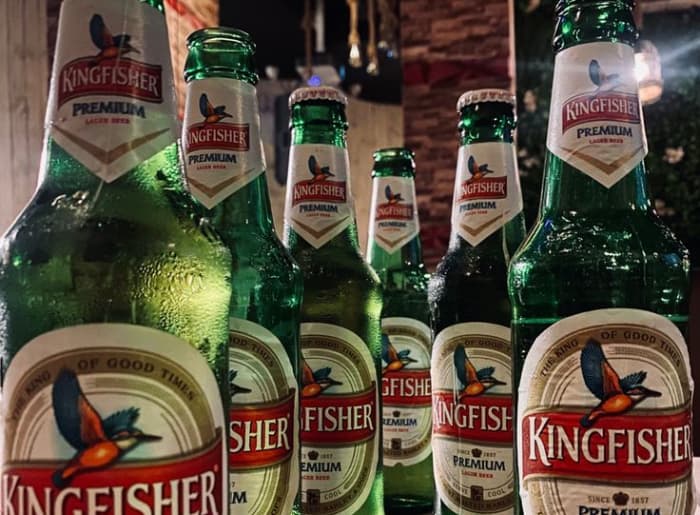
Kingfisher Beer was introduced in 1978 by United Breweries (UB), one of India's oldest brewing companies. Inspired by the colorful kingfisher bird, the brand was launched as a premium lager that offered a refreshing taste suited to India's climate. While beer consumption in India was still developing, Kingfisher positioned itself as a modern brand that represented celebration, friendship, and optimism rather than simply being another alcoholic beverage.
Throughout the 1980s and 1990s, Kingfisher steadily expanded its presence across the country with the help of strong distribution, consistent product quality, and memorable advertising, which helped the brand become the preferred choice in bars, restaurants, and retail outlets.
The launch of Kingfisher Strong in 1991 further broadened its appeal, allowing the company to cater to different consumer preferences while maintaining its growing dominance in the Indian beer market.
Through its "King of Good Times" positioning, the brand associated itself with celebrations, vacations, sports, music, and memorable experiences. Drinking Kingfisher gradually became synonymous with unwinding after work, celebrating milestones, watching cricket with friends, or spending weekends at pubs and restaurants.
Kingfisher did not rely on traditional beer commercials but rather built its brand through surrogate branding, sponsorships, calendars, music events, merchandise, and sporting partnerships.
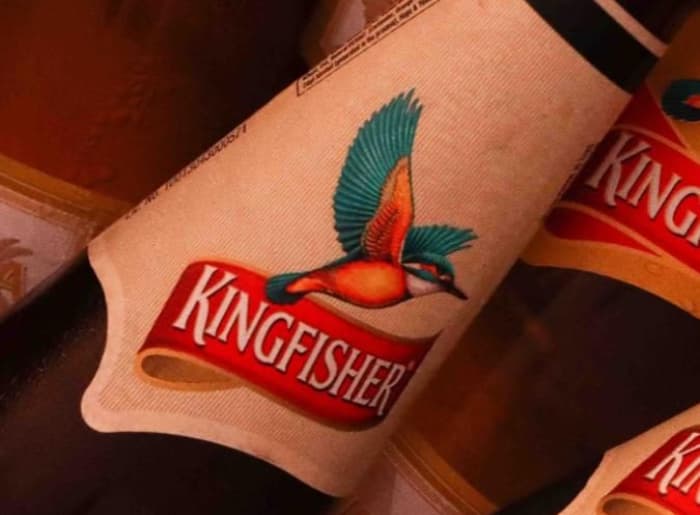
Over time, the famous red-and-white Kingfisher logo became instantly recognizable, even among people who did not drink beer. The brand transformed itself into a lifestyle symbol rather than simply an alcohol label.
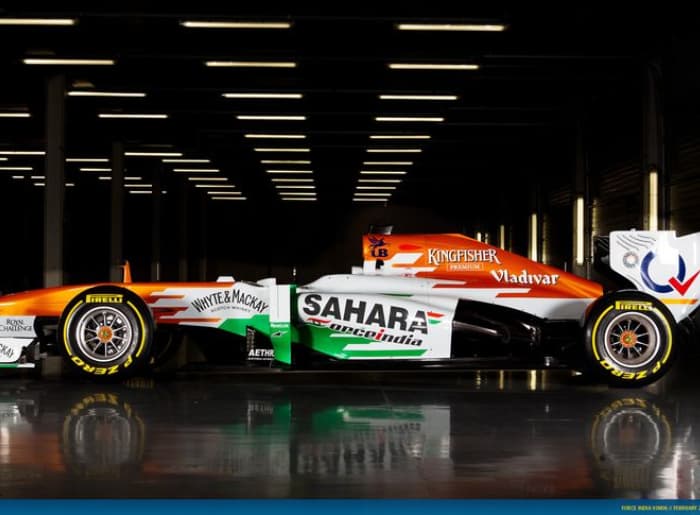
Sports have played a central role in Kingfisher's cultural journey. The brand has invested heavily in cricket, football, Formula One, and more recently women's cricket, helping it remain visible across multiple generations of fans.
Its long-standing association with Royal Challengers Bengaluru (RCB), along with sponsorships across various sporting events, ensured that Kingfisher remained closely connected to some of India's biggest entertainment properties.
Music became another important pillar of the brand's identity as Kingfisher expanded beyond sponsorships by creating immersive consumer experiences, including partnerships with artists such as Karan Aujla through the Good Times Tour.
In an attempt to shift from conventional advertising toward deeper cultural participation through sports, music, regional campaigns, and hyper-local experiences. Rather than depending on a single marketing channel, Kingfisher now focuses on building relevance across multiple consumer touchpoints.
Regional marketing has also become increasingly important to the brand's strategy. Instead of following a one-size-fits-all approach, Kingfisher has adapted campaigns to local passion points. In West Bengal, the brand strengthened its association with football through partnerships with Mohun Bagan Super Giant and East Bengal FC.
In Assam, it reimagined its iconic "Ooh La La La Leo" jingle through a Bihu-inspired rendition, while regional artists such as Tamil rapper Paal Dabba have collaborated with the brand during IPL campaigns to create localized versions of its messaging.
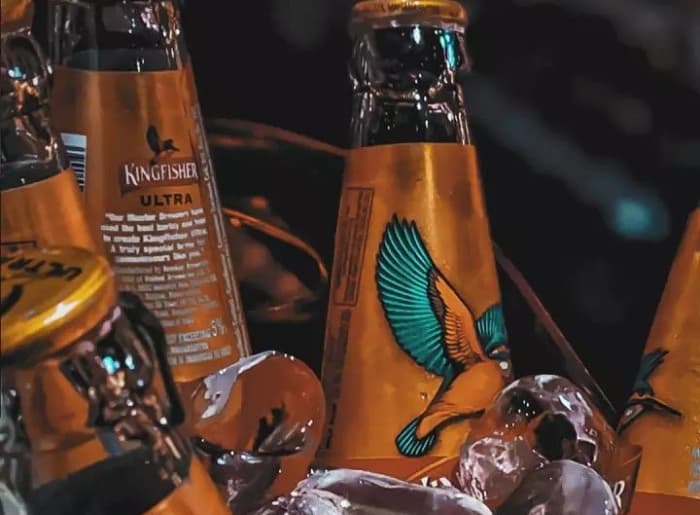
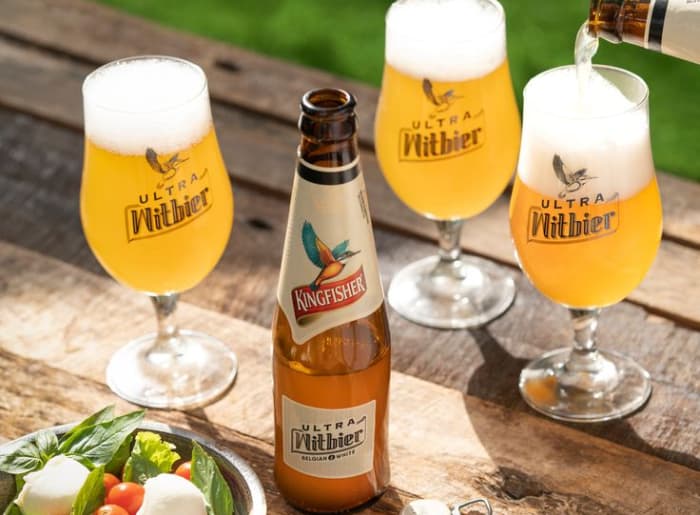
Kingfisher's success has been driven by its ability to evolve with changing consumer preferences. As premium beer demand has grown in India, United Breweries expanded its portfolio with offerings like Kingfisher Ultra and Kingfisher Ultra Max, helping strengthen its leadership in the premium beer segment while continuing to appeal to a broad consumer base.
Beyond product innovation, the company has invested heavily in technology and retail execution. From improving in-store visibility through image recognition to using data-driven tools for product placement and availability, Kingfisher has focused on enhancing the consumer experience, making retail execution just as important as advertising in driving long-term growth.
Also Read: United Breweries Announces The Launch Of Kingfisher Smooth In Maharashtra
No discussion about Kingfisher is complete without mentioning Kingfisher Airlines. Launched in 2005 by Vijay Mallya, the airline set out to redefine premium air travel in India with luxury service, glamorous branding, and a superior flying experience.
It quickly captured public attention and became one of the country's most recognizable aviation brands, further strengthening the Kingfisher name beyond the beer industry. However, aggressive expansion, rising debt, high operating costs, and financial challenges eventually led to the airline's collapse.
Unpaid salaries, mounting loans, and Vijay Mallya's departure from India dominated headlines, turning one of the country's most admired business empires into a cautionary tale. While the controversy affected the Kingfisher name, consumers largely continued to distinguish the beer brand from the failed airline, allowing Kingfisher Beer to retain its strong position in the market.
For one generation, the brand represents nostalgia; it brings back memories of college gatherings, cricket screenings, neighborhood bars, and some of India's earliest premium lifestyle campaigns.
The Kingfisher Calendar, sports sponsorships, and "Good Times" advertisements became defining symbols of an era when India's consumer economy was rapidly expanding. At the same time, the downfall of Kingfisher Airlines became one of India's biggest corporate cautionary tales.
News coverage, documentaries, podcasts, and business case studies continue to revisit the story as an example of how branding alone cannot overcome financial realities. Despite this, Kingfisher Beer retained remarkable consumer loyalty, with many drinkers continuing to associate the product with quality and familiarity rather than the airline controversy.
Instead of relying solely on mass advertising, Kingfisher has gradually shifted toward experience-led marketing. The brand's latest positioning, "Say Yes and Epic Follows," reflects a broader effort to connect with younger consumers who increasingly value experiences over traditional promotions.
Music festivals, regional collaborations, sporting partnerships, and immersive consumer activations have become central to this strategy. United Breweries emphasized that retail execution is just as critical as storytelling. Ensuring the proper availability, visibility, and in-store experiences directly influence consumer choice.
Also Read: How Aviation Gin Became One of the Most Successful Celebrity Alcohol Brands
Today, Kingfisher continues to evolve alongside India's changing drinking culture through premium products, localized campaigns, technology-driven retail execution, and deeper consumer engagement. Its journey demonstrates that while businesses may experience setbacks, brands that build genuine emotional connections with consumers can continue to remain relevant across generations. More than four decades after its launch, Kingfisher still stands as one of the defining names in India's beer industry and a lasting symbol of the "Good Times" it has spent decades promoting.