

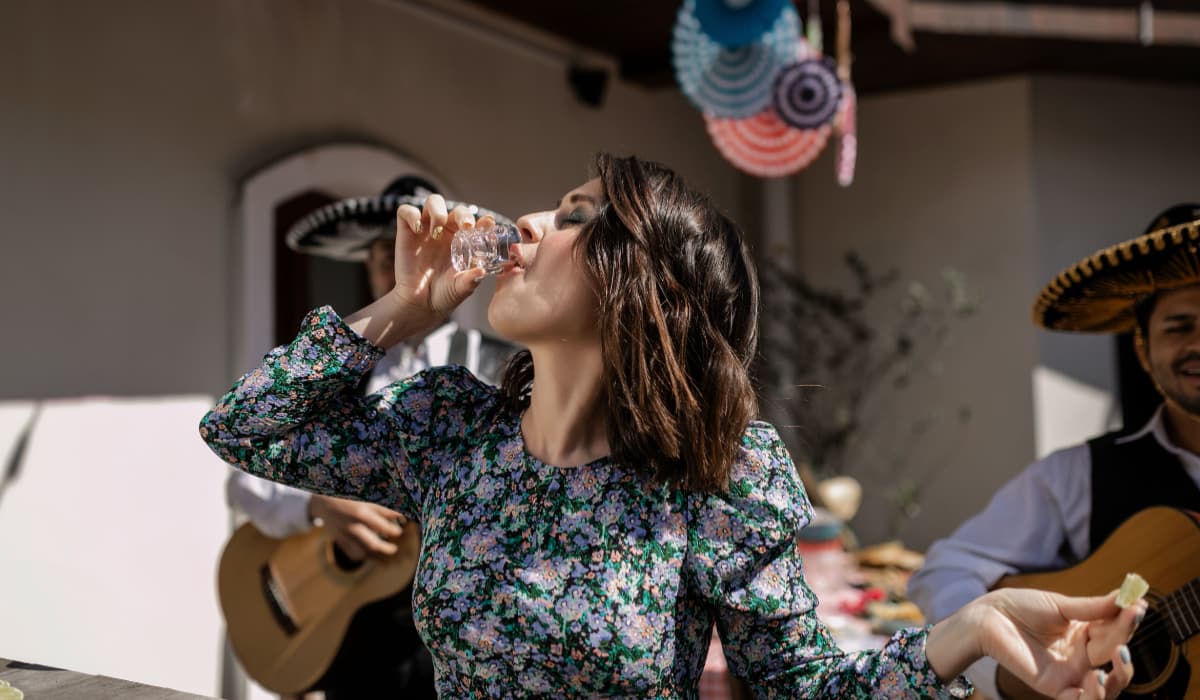
For decades, tequila has had a reputation for being the spirit that leads to terrible hangovers. It was the spirit of loud parties, college nights, and celebratory shots followed by a quick bite of salt and lime.
Ask anyone what came to mind when they heard the word “tequila” and chances are they would describe blurry nights, oversized shot glasses, and the inevitable hangover the next morning. Fast forward to today, and the story couldn't be more different.
Walk into a high-end cocktail bar or luxury restaurant, and you'll find premium tequilas displayed alongside some of the world's finest single malt whiskies, cognacs, and aged rums. Enthusiasts now sip tequila neat from tasting glasses, discuss the influence of oak ageing, compare terroir, and seek out limited-edition bottles made from carefully cultivated agave.
So, what exactly changed?
The answer goes far beyond better marketing. The rise of premium tequila is the result of improved production methods, changing consumer preferences, the cocktail renaissance, celebrity influence, and a growing appreciation for craftsmanship. Together, these factors have transformed tequila from a party staple into one of the fastest-growing premium spirits in the world.
For much of the late 20th century and early 2000s, tequila was primarily associated with shots. The ritual was familiar everywhere: lick the salt, take the shot, bite into a lime wedge. While this made tequila fun and approachable, it also prevented many people from appreciating its true character.
Much of this reputation stemmed from the widespread availability of inexpensive “mixto” tequilas. These spirits contain at least 51% sugars derived from Blue Weber agave. While legally classified as tequila, mixtos were generally produced for affordability and volume rather than flavour and complexity.
As a result, many consumers associated tequila with harsh alcohol burn rather than craftsmanship. The category became known more for the experience surrounding the drink than for the drink itself.
One of the biggest turning points for tequila came with the growing popularity of 100% Blue Weber Agave tequila.
Unlike mixtos, these tequilas are made entirely from the sugars extracted from Blue Weber agave, a plant that takes anywhere from six to eight years to mature before it can be harvested. The long growing cycle, careful cultivation, and traditional production methods contribute significantly to the spirit's depth and quality.
Producers also began placing greater emphasis on craftsmanship. Traditional brick ovens were used to slowly roast agave hearts, natural fermentation became more common among premium producers, and careful distillation techniques helped preserve the spirit's distinctive flavors. Consumers suddenly discovered that tequila could offer notes of cooked agave, citrus, vanilla, pepper, herbs, caramel, and even chocolate depending on how it was produced and aged.
As appreciation for tequila grew, consumers also became more familiar with its various styles.
Blanco tequila is typically bottled shortly after distillation and showcases the purest expression of agave. It is bright, fresh, and often carries notes of citrus, herbs, and black pepper.
Reposado tequila spends between two months and one year ageing in oak barrels. During this time, it develops smoother flavours with hints of vanilla, honey, and gentle spice while still retaining much of its agave character.
Añejo tequila is aged for one to three years, resulting in richer flavours such as caramel, toasted oak, dried fruit, and baking spices.
Some producers also create Extra Añejo tequila, which spends more than three years in barrels. These expressions are often compared to premium whiskies because of their exceptional smoothness and layered flavor profiles.
Also Read: Best Tequila Under ₹5000 In India
Another major factor behind tequila’s transformation was the global cocktail boom. As craft cocktail bars began flourishing across cities worldwide, bartenders started moving beyond sugary margaritas and frozen tequila drinks. They began experimenting with premium tequila in cocktails that highlight the natural flavors of the tequila.
Modern variations of classics such as the Margarita, Paloma, Tommy's Margarita, El Diablo, and Oaxaca Old Fashioned introduced tequila to an entirely new audience.
These cocktails showcased tequila’s versatility. Depending on the style, it could be crisp and refreshing, bright and citrusy, or rich and complex enough to replace whisky in spirit-forward drinks.
This exposure helped consumers recognize tequila as a sophisticated ingredient rather than merely a party spirit.
One of the most visible drivers behind tequila's premium image has been the rise of celebrity-backed brands.
Actors, musicians, athletes, and entrepreneurs began investing in tequila brands, bringing unprecedented visibility to the category. High-profile launches generated global media attention and introduced millions of consumers to premium tequila.
Think of Loca Loka co-founded by Anirudh Ravichander and Rana Daggubati and Goonda Tequila by Karan Tacker.
While celebrity endorsements initially attracted skepticism, celebrity-led brands emphasized quality, traditional production methods, and premium positioning. Luxury packaging, limited editions, and carefully curated brand stories further elevated tequila's image.
Also Read: Agave Spirits Indians Should Try Besides Tequila
Perhaps the biggest sign of tequila's evolution is how people drink it today.
Instead of immediately reaching for salt and lime, enthusiasts often enjoy premium tequila neat or with a single ice cube. Tasting events dedicated exclusively to tequila have become increasingly common, while collectors now seek out limited releases much like they do with rare whiskies.
Restaurants are creating tequila pairing menus, luxury hotels are curating premium agave spirit collections, and bars are offering guided tequila flights that allow guests to explore different styles side by side.
This shift reflects a broader change in consumer behavior. People increasingly want experiences rather than simply drinks. They enjoy discovering new flavors, learning about production techniques, and understanding the heritage behind each bottle.
Also Read: Imported Tequila Brands Worth Trying In India
The premium tequila category shows little sign of slowing down.
Growing demand for authentic spirits, rising global appreciation for agave-based drinks, and continued innovation from producers suggest that tequila will remain one of the most exciting categories in the beverage industry.
We are also seeing increased interest in additive-free tequila, sustainable farming practices, single-estate agave, and artisanal distilleries that emphasize traditional methods over mass production.
As consumers become more informed, they are beginning to distinguish between industrially produced tequila and carefully crafted expressions that highlight the unique characteristics of the agave plant.
This growing sophistication is likely to shape the industry's future for years to come.
Tequila’s journey from party shots to premium sipping spirit is one of the most remarkable transformations in the modern alcohol industry. Once dismissed as a drink reserved for celebrations and late-night parties, it is now appreciated for its craftsmanship, heritage, and extraordinary diversity of flavors.
.jpg&w=3840&q=100)