
If you've ever bought alcohol in Goa you may have seen the words "For Sale in Goa Only" printed on the bottle. It's a common thing to see in any liquor shop in the state. What does it actually mean and why is it there?
The 'For Sale in Goa only' meaning is of course to do with India's state specific alcohol regulations. It denotes where a bottle is authorized for retail sale and also brings up issues of taxation and transport. Knowing what the 'For Sale in Goa only' bottle means can help you avoid all sorts of confusion when you're buying alcohol in the state.
The term simply means that the spirit has been approved for sale in Goa. Under Rule 16 of the Goa Excise Duty Rules, 1964, manufacturers and distributors are required to have their labels approved by the Excise Department of the State before the liquor can be sold. The label will indicate whether it is for sale in Goa or for distribution elsewhere.
Approved labels will contain the manufacturer's details, the alcohol strength, the quantity of the bottle, the batch number, the date of manufacture and the Maximum Retail Price (MRP). The Goa Excise Department also requires that labels be registered or renewed annually by the business. The marking therefore indicates the bottle's authorized retail market rather than where it can be consumed.
Planning to carry alcohol from Goa to Maharashtra? Find out the rules, restrictions, and permits you need to know before traveling.
Alcohol regulation in India is almost entirely a state subject. Each state sets its own excise rates, licensing rules and retail pricing. That's why there's a difference in the Goa liquor tax as compared to the other states, with the same brand of whisky or rum having different MRPs. A bottle that's approved for sale in Goa won't necessarily be approved for sale in Maharashtra, Karnataka or Delhi.
So why is alcohol cheaper in Goa? It's down to state excise duties and the way the pricing is structured in that state. The Goa excise duty on liquor can be different to the duty in other states which is why certain spirits are cheaper. Of course not all brands are going to be cheaper in Goa. The state specific labelling also allows the authorities to identify bottles that are being smuggled into the state via the illegal distribution route.
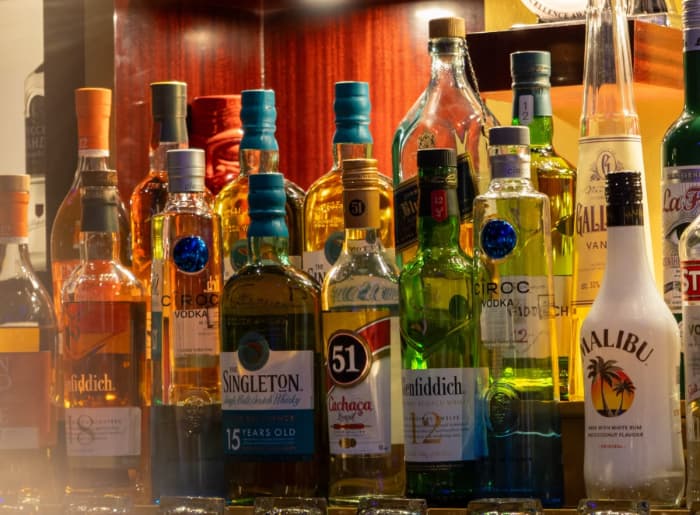
Understanding this is important, as you can in fact take liquor purchased in Goa to another state. Under Rule 19B of the Goa Excise Duty Rules, 1964 you can get a personal consumption transport permit (Form E-7(A)). This permit will allow you to take the specified quantities of the eligible duty paid liquor.
However the rules around interstate alcohol transport in India are not the same. There is no blanket two bottle allowance for every destination. You need to be mindful of the quantity allowed, the documentation required and the import rules of the destination state. The Goa transport permit doesn't in any way override the rules of another state and a purchase receipt may not be sufficient in all circumstances. You have to check those things out before you go.
Did you know Goa beat Mumbai in India’s Top 100 Bars list? Discover how 20 Goa bars made the list as non-metro cities gained recognition.
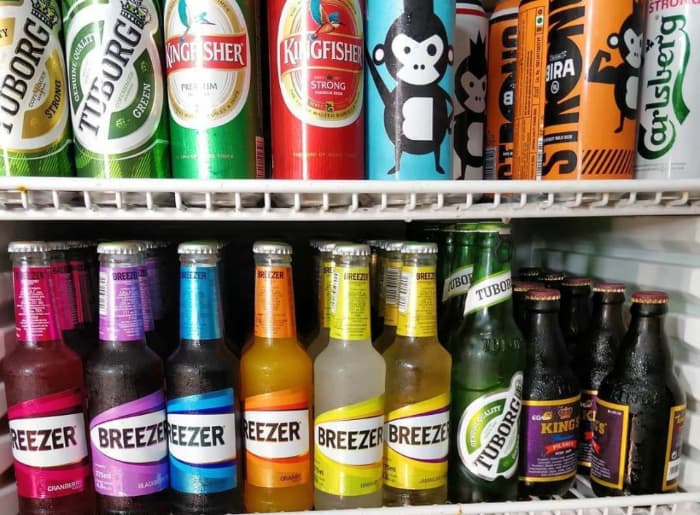
Alcohol bearing a Goa retail label is generally not permitted to be sold through an unlicensed outlet in another state. The business will have to comply with the licensing, product registration and excise requirements of the state in which it is attempting to sell the product. Any breach of the excise laws in respect of the unauthorized transport or resale of alcohol will attract penalties.
The Goa liquor export laws with regard to the border issue are of particular relevance as price differentials can in themselves encourage the resale of liquor illegally. The Excise authorities are in a position to monitor the movement of liquor across state lines to prevent unauthorized distribution and the consequent non-payment of duty. The issue of transport is of course very different when you're moving a permitted quantity for personal consumption as opposed to commercial resale. The label in no way implies that the liquor is counterfeit, of inferior quality or that it's been made exclusively for the Goa market.
Curious about the most popular rum brands in Goa? Discover the local favorites and well-known labels worth exploring.
This is all drawn from the official Goa Excise Department guidelines, the Goa Excise Duty Act and Rules, 1964 and the relevant legal references which define the meaning of state labels, the registration requirements, the excise rules and the rules as to the carriage of liquor out of Goa.
The 'For Sale in Goa Only' wording identifies where an alcoholic drink is permitted to be sold retail. It's essentially a matter of excise, taxation and distribution rather than anything to do with the quality of the spirit or where it can be consumed.
Before you take alcohol out of Goa you should check what the transport permit requirements are and what the rules are in the destination state. A Goa label in no way automatically makes it legal or illegal to transport it interstate.