

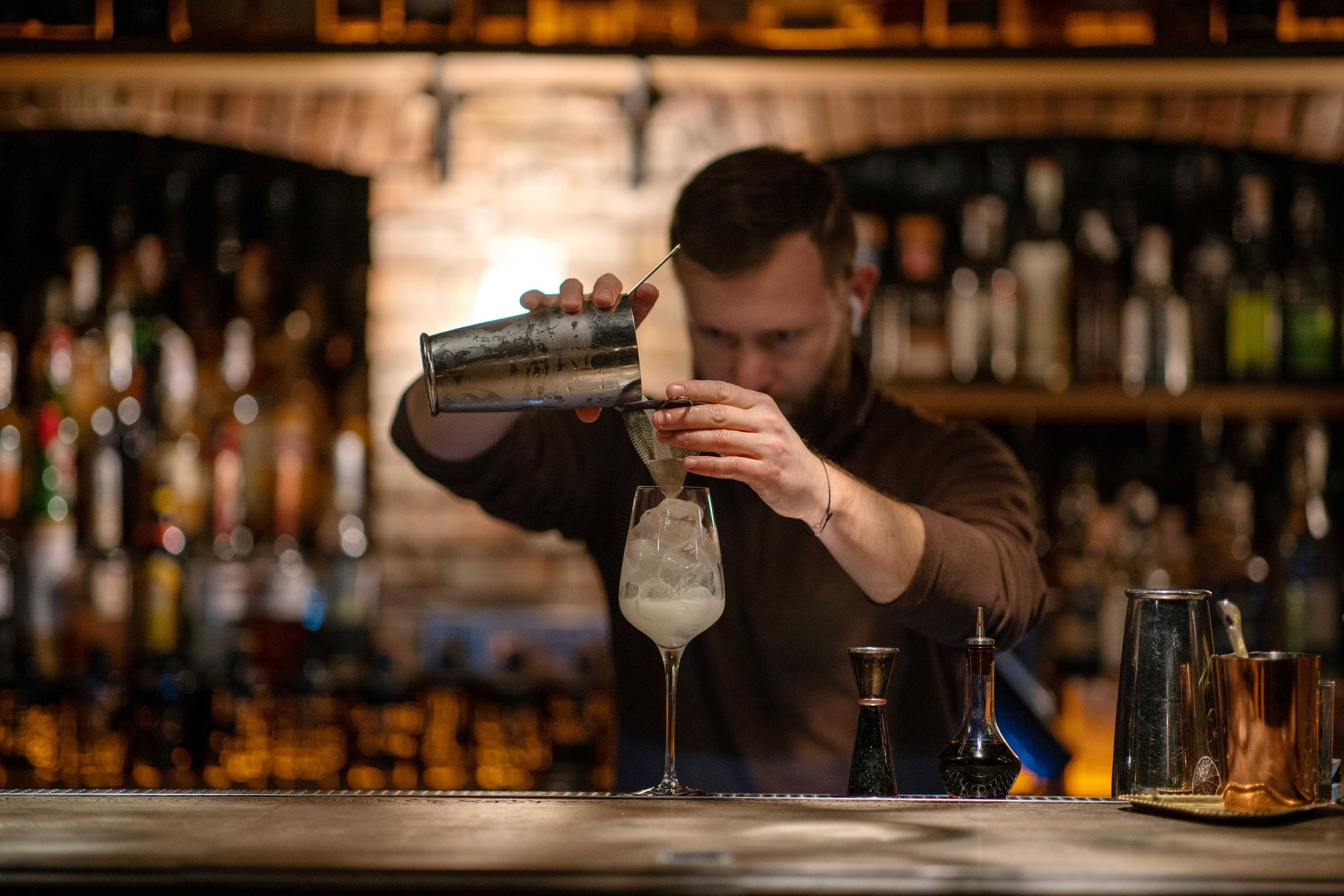
Cocktails today are no longer just about mixing alcohol with juice and serving it in a fancy glass. Modern drinking culture has evolved and turned into something far more thoughtful, with people paying attention to ingredients, technique, balance, presentation, and even the story behind a drink.
A mixologist is not simply someone who stands behind the bar and makes cocktails. The role involves understanding spirits, flavor combinations, cocktail history, bar tools, customer preferences, and the science behind balance. While bartenders often focus on speed and service, mixologists specialize in the craft of creating drinks and designing memorable beverage experiences.
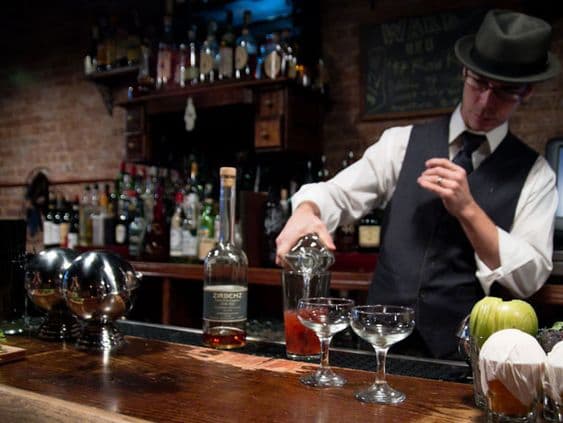
A mixologist focuses on the art and science of making cocktails. This includes understanding how spirits behave, how ingredients interact, and how to build drinks that feel balanced rather than random. A good mixologist understands why a Daiquiri works, why an Old Fashioned needs precision, and why bitters can completely change a cocktail.
Mixologists often create signature drinks, experiment with syrups, infusions, bitters, garnishes, and seasonal ingredients. Modern cocktail culture values originality, but it also rewards technical knowledge and consistency.
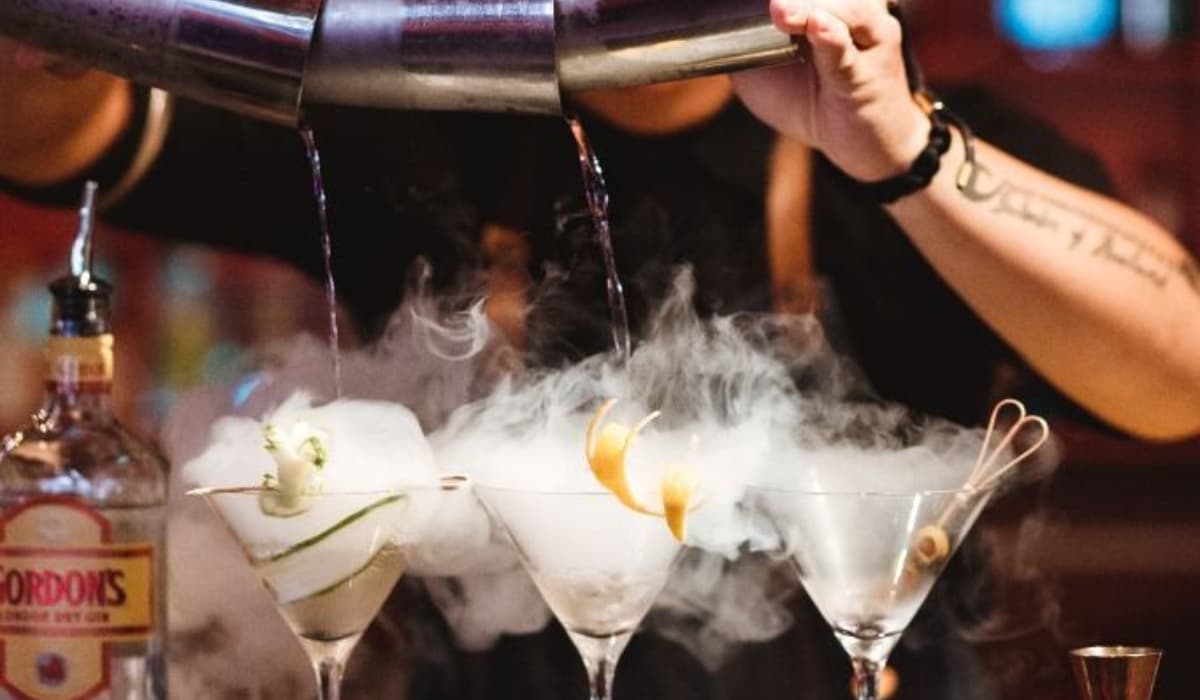
Remember, James Bond likes his drinks shaken, not stirred. There is an important distinction that a simple line carries that most mixologists will consider their gospel.
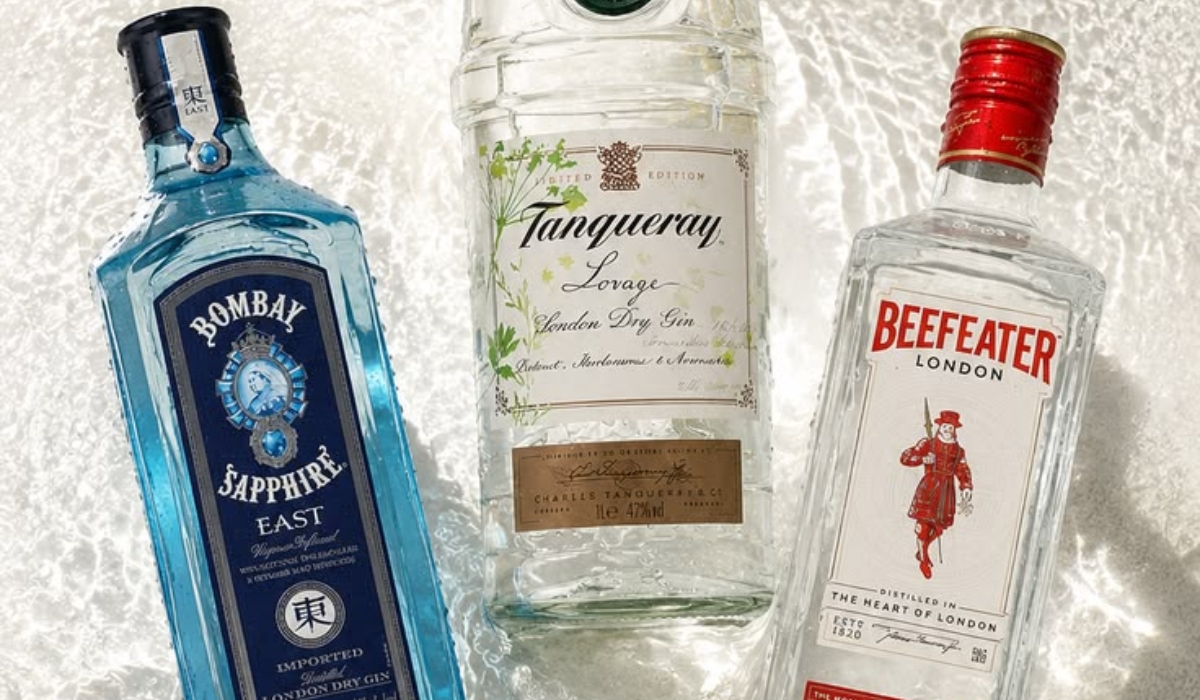
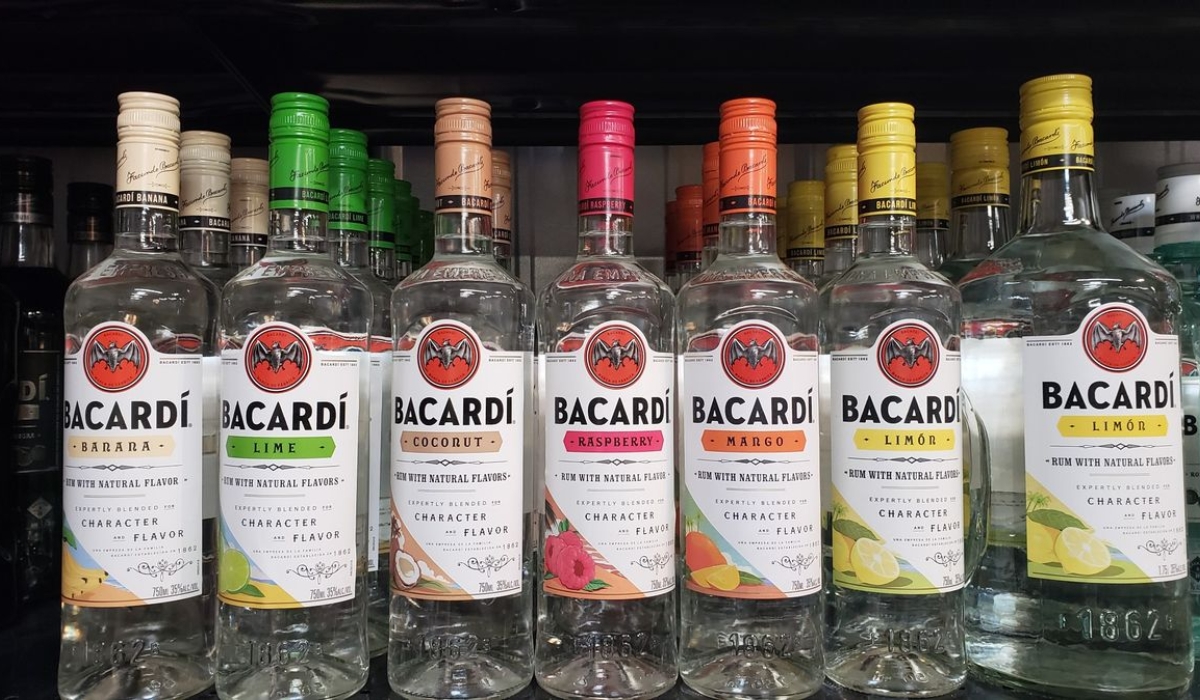
Before creating original cocktails, you need to understand the fundamentals. Start by learning the major spirit categories such as whisky, gin, rum, tequila, vodka, brandy, vermouths, liqueurs, and bitters. Knowing where spirits come from, how they are distilled, and what flavor notes they carry helps you build cocktails with purpose. You can make a variety of cocktails with almost any major spirits, right from rum-based cocktails to gin or vodka-based cocktails.
Learning your way around a bar is equally important; you need to be comfortable with using essential bar tools like jiggers, muddlers, shakers, bar spoons, mixing glasses, and strainers. Precision matters heavily in mixology because cocktails rely on balance. Even small measurement changes can completely alter the drink.
Drinks like the Old Fashioned, Martini, Manhattan, Daiquiri, Whiskey Sour, Margarita, Mojito, and Negroni teach the foundation behind modern cocktail structures. For example, a Daiquiri teaches balance between sweet, sour, and strong components, while a Negroni helps you understand bitterness and equal-part cocktails. An Old Fashioned teaches restraint, dilution, and spirit-forward balance.
The goal is not to memorize hundreds of recipes immediately, but rather to learn and focus on how each individual cocktail works and why it works. Once you understand structure and balance, experimentation becomes far easier and far more intentional.
Also Read: Easiest Two-Ingredient Cocktails To Make At Home
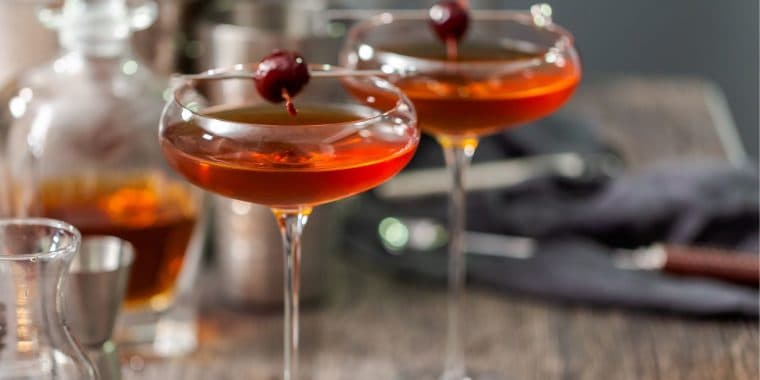
Formal certification is not always mandatory, but proper training can significantly accelerate your learning process and improve career opportunities. Mixology courses help students understand cocktail techniques, beverage theory, spirits knowledge, customer interaction, and bar operations in a more structured environment.
In India, aspiring mixologists can explore institutes like The Mixologist Academy of Bartending or other hospitality-focused bartending schools. International academies and online learning platforms also offer useful beginner and advanced training programs.
Online resources can help build knowledge as well, especially for beginners. Cocktail-focused YouTube channels, spirit education platforms, and mixology tutorials allow students to practice techniques at their own pace before entering real bar environments.
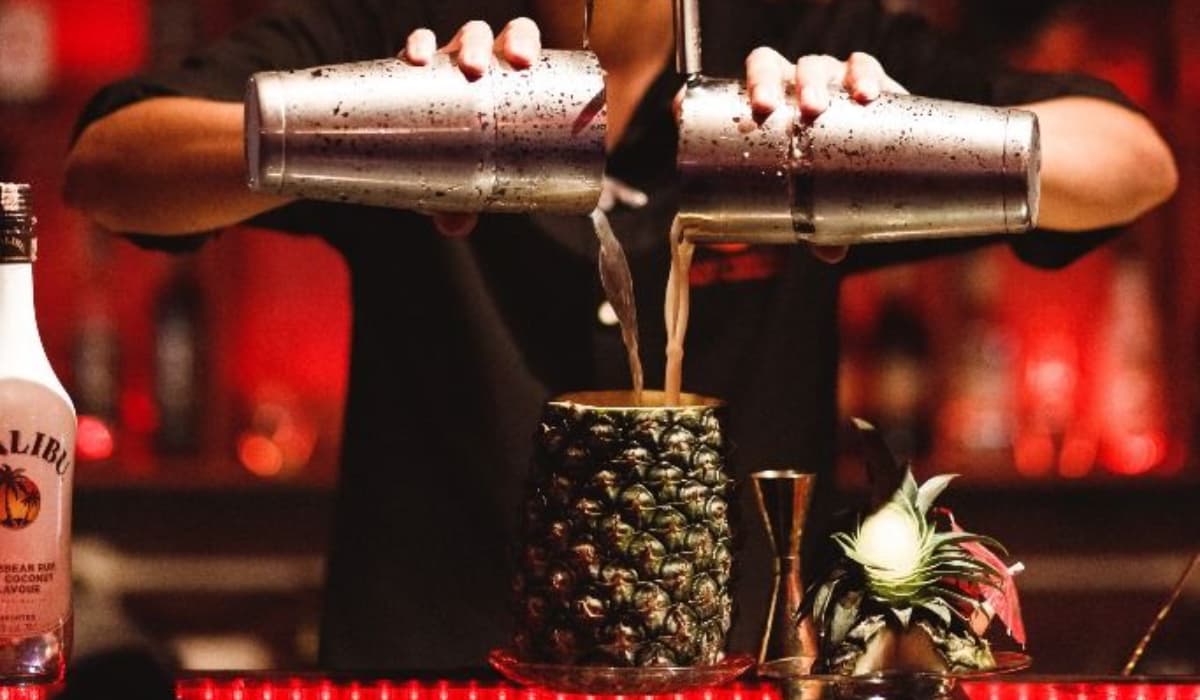
Most professionals begin as barbacks, trainee bartenders, servers, or hospitality assistants before gradually moving behind the bar. Working in real hospitality environments teaches things that courses cannot fully replicate. You learn inventory management, ingredient prep, customer handling, speed, cleanliness, pressure management, and service flow during busy hours.
This stage may not feel glamorous initially, but it is one of the most important parts of becoming a skilled mixologist. Creativity matters, but discipline and consistency matter equally.
.jpg&w=1920&q=75)
Mixology depends heavily on taste, so training your palate becomes extremely important. You need to understand sweetness, bitterness, acidity, spice, smoke, fruitiness, herbal notes, texture, and alcohol heat. Start tasting spirits consciously rather than casually. Notice how a smoky whisky differs from a fruity whisky or how different styles of gin completely change a cocktail.
You should also experiment with citrus juices, herbs, syrups, teas, fruits, spices, bitters, salts, and non-alcoholic ingredients. Many great cocktails are built around subtle details that add complexity and balance. The best signature cocktails combine creativity with balance and consistency rather than simply adding unnecessary ingredients for presentation.
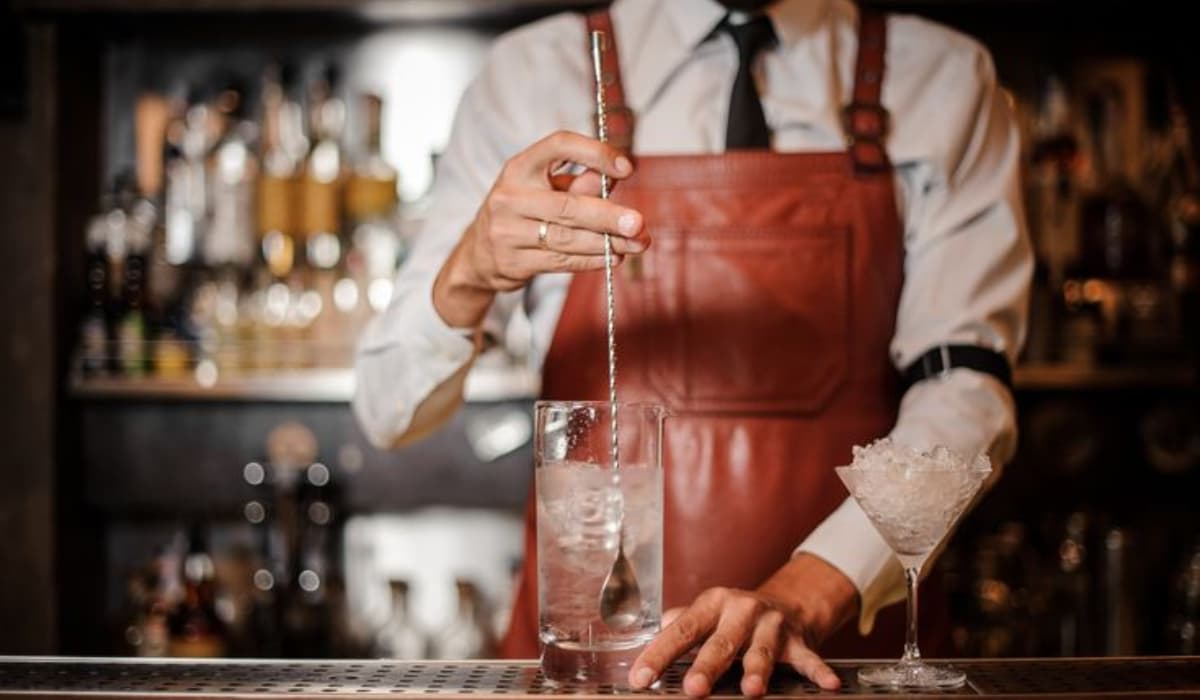
A technically perfect cocktail means very little without good hospitality. Great mixologists know how to communicate with guests, recommend drinks confidently, and create memorable experiences around cocktails. Alongside cocktail knowledge, skills like patience, teamwork, cleanliness, and understanding customer preferences play an equally important role behind the bar.
Becoming a mixologist takes far more than memorizing cocktail recipes. It requires technical skill, product knowledge, creativity, consistency, and real hospitality experience. You need to understand spirits, tools, techniques, flavor balance, customer interaction, and the fast-paced reality of bar culture.
The best way to begin is simple: master the classics, practice regularly, learn from experienced professionals, and spend time in real bar environments. Over time, your palate, confidence, and personal style will naturally evolve.
.jpg&w=3840&q=100)