
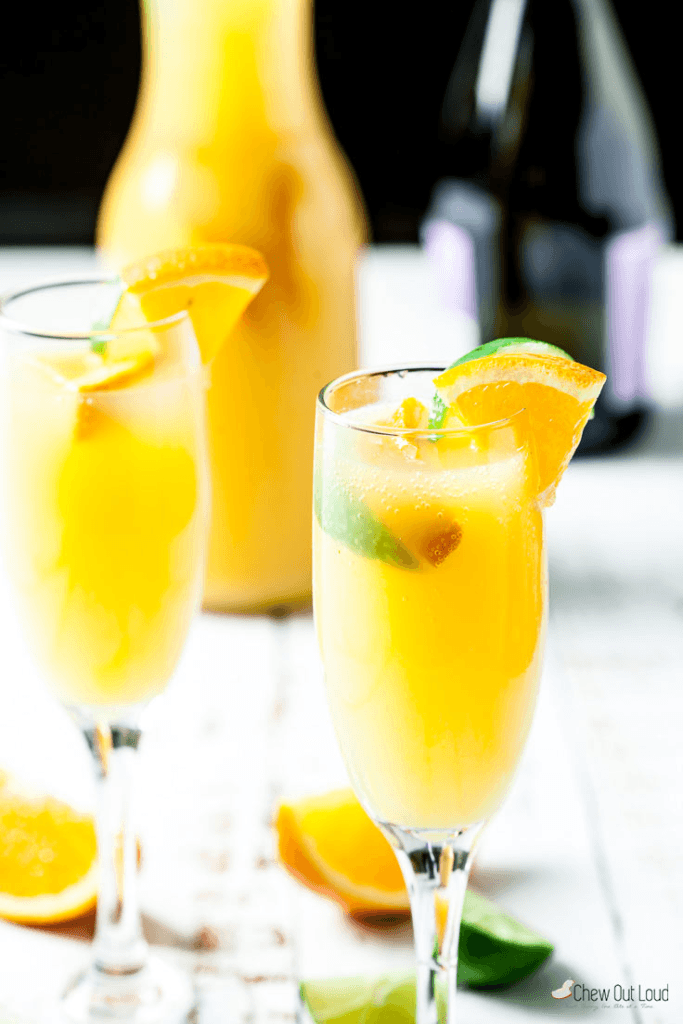
National Mimosa Day is celebrated every year on May 16 and honors one of the world’s most iconic brunch cocktails. With a refreshing citrus flavor and sparkling finish, the mimosa has become closely associated with weekend brunches, weddings, vacations, and daytime celebrations across the world.
Over the years, the drink has evolved from a simple sparkling wine cocktail into a major part of modern brunch culture. Restaurants, cafés, and bars now regularly serve mimosas alongside breakfast and lunch menus, often introducing flavored versions and bottomless brunch packages centered around the drink.
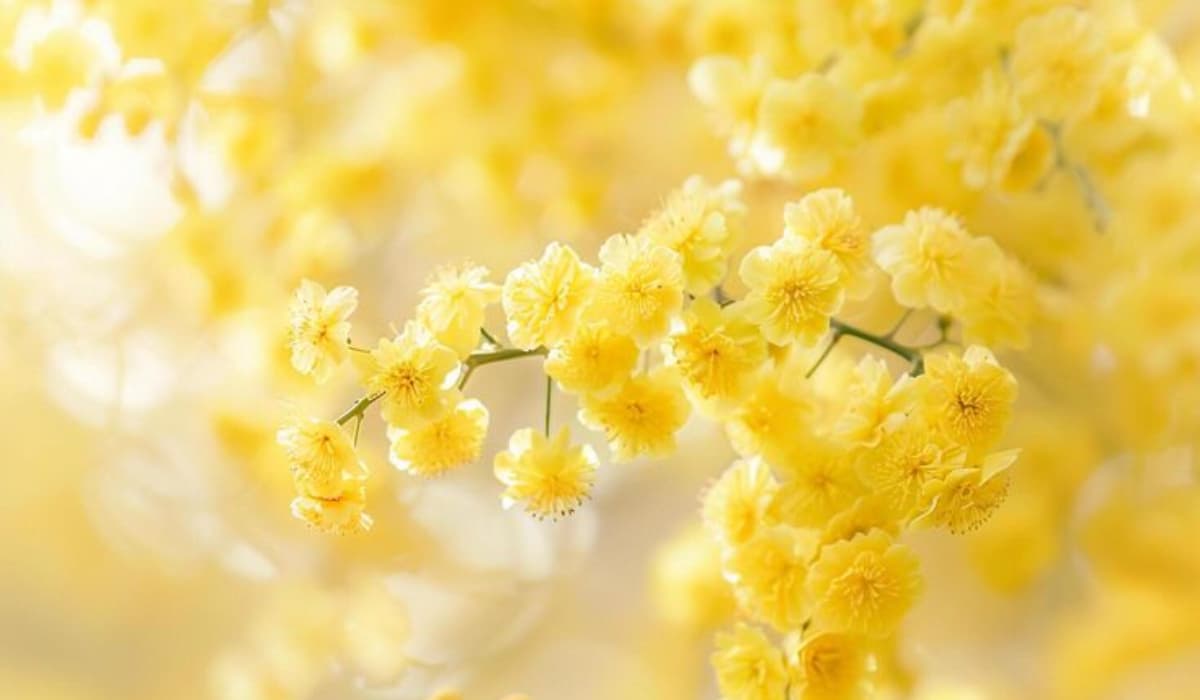
Interestingly, the word “mimosa” carries cultural significance outside the cocktail world. In Italy, the bright yellow mimosa flower is strongly associated with International Women’s Day and symbolizes resilience, strength, and solidarity.
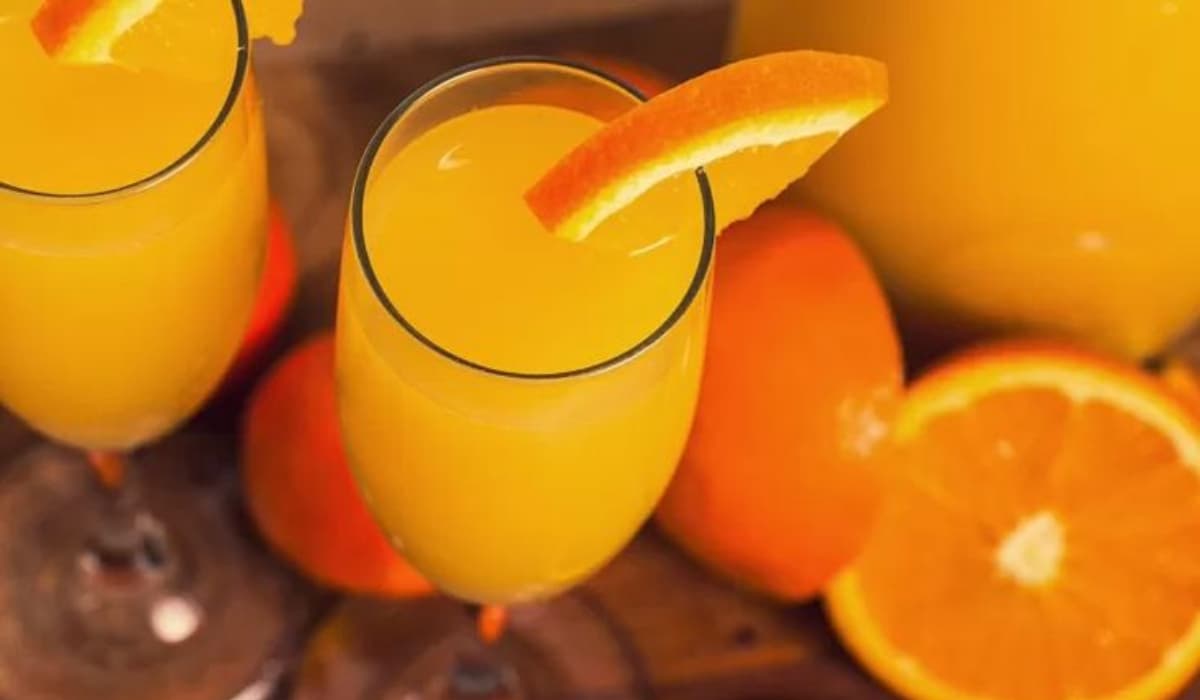
A classic cocktail made using sparkling wine and orange juice, traditionally served in a champagne flute. The most common version uses equal parts sparkling wine and chilled orange juice, although many people prefer a higher sparkling wine ratio for a lighter and bubblier drink.
The cocktail is usually made with Champagne, Prosecco, or Cava, depending on personal preference and budget. Some modern variations also include orange liqueurs like Grand Marnier to add extra citrus flavor and depth.
The mimosa is believed to have originated during the 1920s and is often linked to the Ritz Hotel in Paris. The cocktail shares similarities with the Buck’s Fizz, another sparkling wine and orange juice drink that traditionally uses a higher proportion of champagne.
As brunch culture expanded across Europe and North America, the mimosa quickly became associated with relaxed daytime drinking and social celebrations. Today, it remains one of the most commonly ordered and simple brunch cocktails worldwide. Unlike more complicated cocktails requiring multiple ingredients and spirits, the mimosa can be prepared quickly while still feeling festive and sophisticated.
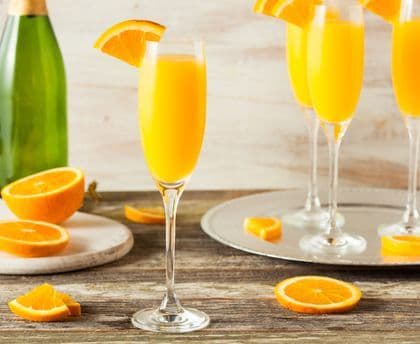
A good mimosa may appear simple, but a few details significantly impact the final drinking experience.
National Mimosa Day represents the rise of brunch culture, social dining, and daytime drinking experiences that have become increasingly popular across major cities globally. The mimosa is often associated with celebrations such as bridal showers, birthdays, vacations, weddings, and weekend brunches because of its approachable flavor and festive appearance.
As previously mentioned, the mimosa flower adds another layer of significance. In Italy, the yellow mimosa flower became the official symbol of International Women’s Day because it represented resilience, sensitivity, and strength. Since then, gifting mimosa flowers has become an important cultural tradition associated with women’s appreciation and solidarity.
One of the most common ways people celebrate National Mimosa Day is by hosting brunch gatherings with friends and family. Restaurants and cafés also introduce special mimosa menus, brunch packages, and cocktail deals for the occasion.
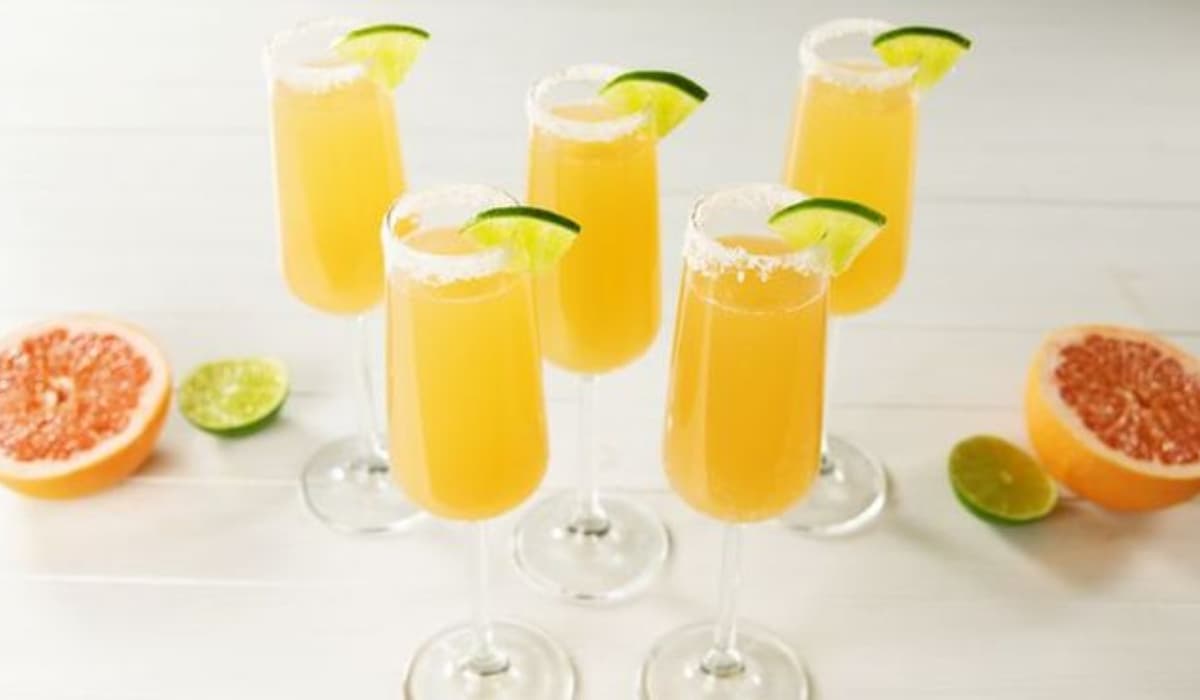
“Mimosa bars” have become increasingly popular at parties and social gatherings, allowing guests to customize drinks using different juices, fruits, and sparkling wines. Variations using grapefruit juice, cranberry juice, pineapple juice, and berries have become especially trendy in recent years.
The day is also viewed as an opportunity to experiment with sparkling wines, brunch pairings, and lighter daytime cocktails while enjoying a more social drinking experience.
The mimosa continues to remain popular, it’s versatility also helps contribute to its global appeal. The cocktail feels refreshing, approachable, and elegant without being overly complicated or spirit-heavy. Unlike stronger cocktails, the mimosa feels easy to drink and socially accessible for a wider audience.
As brunch culture continues growing globally, the mimosa has successfully evolved into both a lifestyle symbol and a timeless classic cocktail.
National Mimosa Day celebrates one of the world’s most recognizable brunch cocktails and the social culture built around it. From its origins in 1920s Europe to modern brunch menus worldwide, the mimosa has become strongly associated with relaxation, celebration, and daytime socializing.
At the same time, the mimosa flower continues carrying important symbolism connected to resilience and International Women’s Day traditions in Italy. Whether appreciated as a cocktail or a cultural symbol, the mimosa continues to hold a unique place across food, beverage, and social culture.
National Mimosa Day is celebrated every year on May 16.
A traditional mimosa is made using sparkling wine and orange juice, usually served in a champagne flute.
Champagne, Prosecco, and Cava are the most commonly used sparkling wines for making mimosas.
The mimosa is light, refreshing, and lower in alcohol compared to stronger cocktails, making it a popular daytime drink for brunches and celebrations.
In Italy, the mimosa flower symbolizes strength, resilience, and solidarity, and is associated with International Women’s Day.