
.png&w=3840&q=75)
Few alcohol brands in India carry the kind of emotional connection that Old Monk does. More than just a dark rum, Old Monk has become part of Indian drinking culture itself. For generations of drinkers, the bottle represents college memories, winter gatherings, military canteens, house parties, and late-night conversations.
Even after decades in the market, Old Monk continues to remain one of India’s most recognizable spirits. While newer premium rums, craft spirits, and imported labels continue entering the market, Old Monk still holds a cult-like fan following across the country.
Manufactured by Mohan Meakin, the rum has survived changing trends, aggressive competition, and evolving drinking habits while maintaining its loyal customer base.
From its signature vanilla-caramel flavor to its instantly recognizable monk-shaped bottle, here is everything to know about Old Monk history, variants, alcohol percentage, pricing, and why the brand still matters in 2026.
Old Monk was launched in 1954 by Mohan Meakin, one of India’s oldest alcohol companies. The company’s roots go back to the British colonial era and are closely connected to Edward Dyer, a Scottish entrepreneur who established some of India’s earliest breweries during the 19th century.
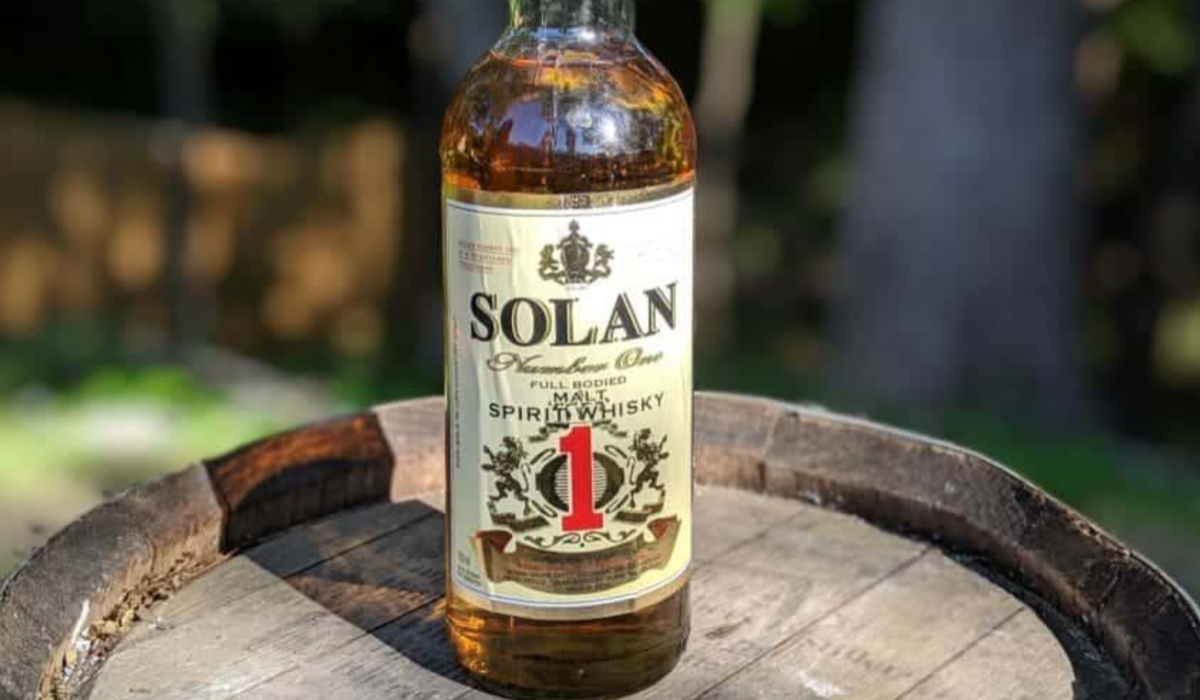
Dyer founded the Dyer Breweries in the 1850s, with operations in places like Kasauli and Solan. Over time, the business evolved through mergers and ownership changes before eventually becoming Mohan Meakin.
The rum itself was introduced decades later under the leadership of Ved Rattan Mohan, who played a major role in expanding the company after Independence. Old Monk was created as a dark blended rum suited to Indian tastes and climate conditions, especially during colder seasons
Over the decades, Old Monk became deeply associated with:
One of the most interesting things about the brand is that it achieved massive popularity despite doing very little conventional advertising. In fact, Old Monk became famous largely through word of mouth and nostalgia rather than flashy marketing campaigns. (theprint.in)
By the 1980s and 1990s, the rum had become one of India’s highest-selling spirits.
Also Read: Building A Home Bar? Top 7 Rums Every Rum Lover Needs In Their Collection
Several factors helped Old Monk become an Indian alcohol icon.
One major reason was accessibility. Old Monk offered a rich dark rum experience at prices affordable to middle-class consumers and students.
Unlike harsher spirits, Old Monk developed a smoother flavor profile with notes of:
This sweeter profile made it easier for casual drinkers to enjoy.
Few Indian alcohol brands are as nostalgia-driven as Old Monk. Many drinkers associate it with:
The emotional attachment around the brand became one of its biggest strengths.
Also Read: How To Store & Serve Old Monk For Best Flavor: Tips For Indian Homes
Dark rum consumption traditionally increases during colder months in India, especially in northern states and hill stations. Old Monk became strongly linked to winter drinking rituals.
The standard Old Monk rum alcohol percentage is 42.8% ABV (alcohol by volume) in India.
This is considered standard strength for Indian dark rums and many IMFL spirits.
The relatively high alcohol content gives the rum:
Despite the higher ABV, Old Monk is often considered smoother than many budget spirits because of its sweet molasses-based flavor profile.
Old Monk has a very recognizable flavor profile that many rum drinkers can identify immediately.
Common tasting notes include:
The texture is usually described as rich and slightly syrupy compared to lighter white rums.
Most consumers drink it:
Some enthusiasts also prefer drinking it neat during winter months.
Compared to Caribbean rums, Old Monk is generally sweeter and less dry.
Also Read: Top 6 Indian Craft Rums To Try - From Goan Classics To New-Age Labels
Over the years, Mohan Meakin expanded the Old Monk lineup into multiple expressions.
.png&w=1920&q=75)
This is the original and most iconic version.
Known for:
The classic bottle remains the brand’s best-known product.
Gold Reserve is aged longer than the standard expression and is marketed as a smoother premium version.
Drinkers often notice:
This version is positioned as a more refined blend with slightly smoother drinking characteristics.
Unlike the dark variants, White Rum offers a lighter flavor profile designed mainly for cocktails.
Popular uses include:
One of the brand’s more experimental releases, Coffee Rum combines dark rum with coffee flavors.
It became popular among consumers looking for dessert-style spirits.
Old Monk Legend is a premium aged rum released in a distinctive monk-shaped bottle.
It targets consumers looking for collectible packaging and richer sipping rum experiences.
Old Monk pricing varies significantly across states because alcohol taxation in India differs regionally.
Approximate 2026 retail prices are:
Variant | Size | Approx Price |
Old Monk XXX Rum | 180ml | INR 140–INR 220 |
Old Monk XXX Rum | 375ml | INR 280–INR 450 |
Old Monk XXX Rum | 750ml | INR 550-INR 950 |
Old Monk Gold Reserve | 750ml | INR 850–INR 1,400 |
Old Monk Legend | 750ml | INR 1,200–INR 2,000 |
Prices are usually higher in:
States like Goa generally offer lower alcohol pricing.
Old Monk’s popularity goes far beyond alcohol sales.
The rum has appeared in:
Very few Indian liquor brands have achieved this kind of cultural relevance.
Online communities frequently discuss Old Monk as a “comfort alcohol” associated more with memories than luxury.
This emotional loyalty helped the brand survive even as younger consumers shifted toward whisky, vodka, and gin.
Despite its iconic status, Old Monk has faced challenges over the years.
These include:
Industry experts have also noted that the brand historically relied heavily on nostalgia rather than aggressive modern marketing. However, the company continues to introduce new variants and packaging updates to stay relevant.
Yes, absolutely. While the brand may not dominate youth culture the same way it once did, Old Monk still remains one of India’s most recognized dark rum labels.
Its biggest strengths continue to be:
For many consumers, Old Monk is less about premium drinking and more about familiarity and emotional connection.
Old Monk remains one of India’s most iconic alcohol brands even in 2026. From its origins in 1954 to becoming a cult favorite across generations, the rum has built a legacy few Indian spirits can match.
With its signature 42.8% ABV, sweet vanilla-caramel profile, affordable pricing, and multiple variants, Old Monk continues to hold a unique place in India’s drinking culture.
Whether enjoyed with cola at a college reunion or sipped neat on a winter night, Old Monk remains more than just a bottle of rum. For many drinkers, it represents nostalgia, tradition, and a timeless piece of Indian alcohol history.
Old Monk usually contains 42.8% ABV (alcohol by volume) in India.
Old Monk is produced by Mohan Meakin, one of India’s oldest liquor companies.
Old Monk is known for its sweet dark rum profile with notes of vanilla, caramel, toffee, and mild spice.
Old Monk is a dark rum, not a whisky.
.jpg&w=3840&q=100)