
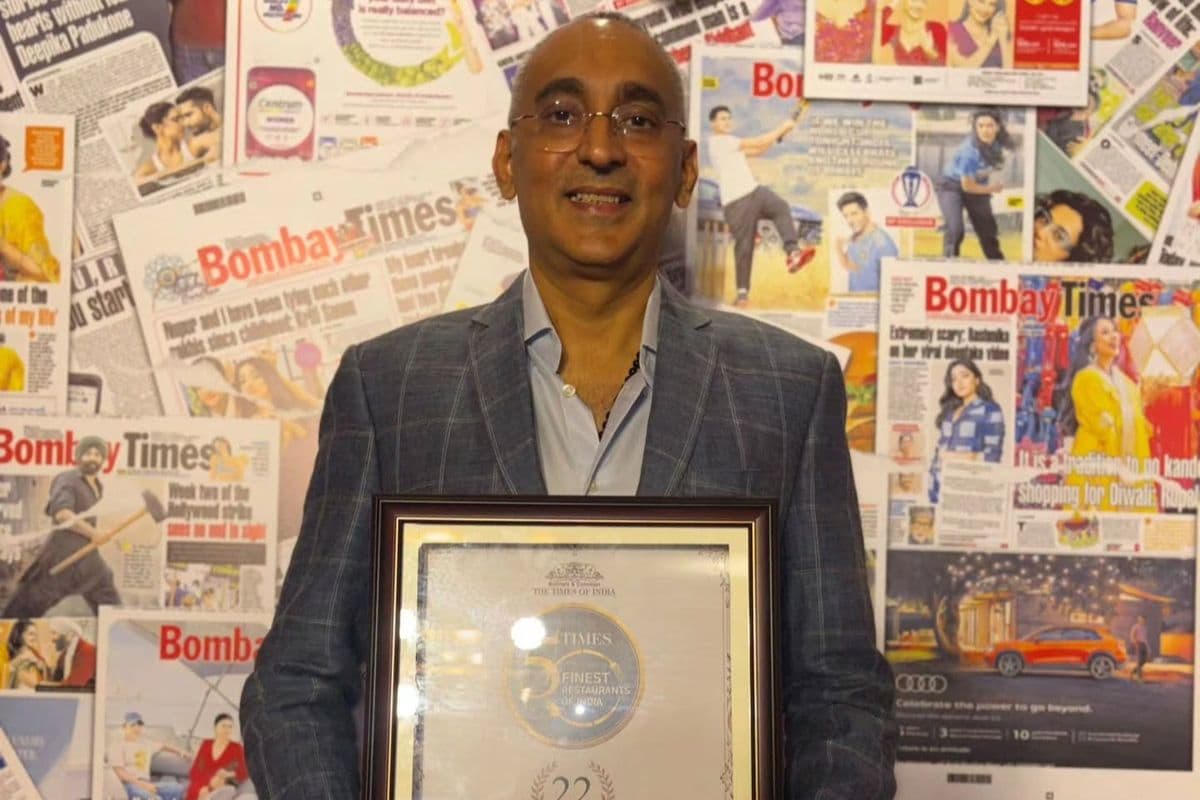
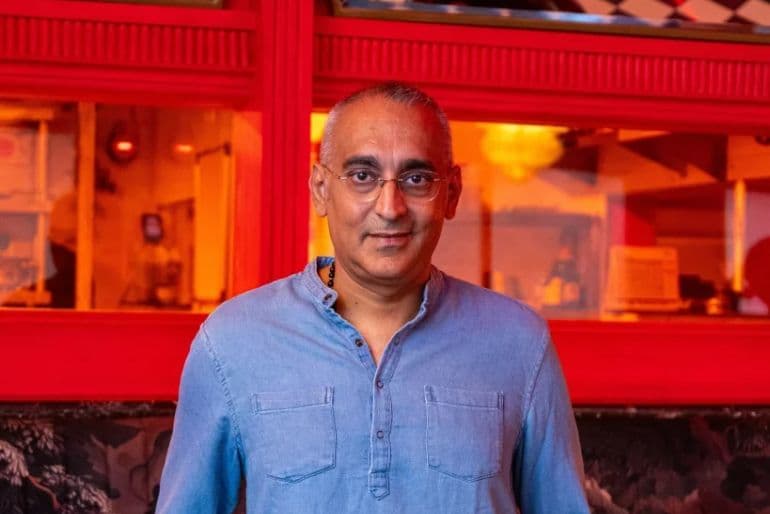
Very few industry veterans can offer richer and totally honest insights into hospitality, the way Restaurateur Vicky Singh does. Currently a partner at BANNG Dining & Bar, Mezcalita, SLink & Bardot, and Koliwada Cocktail Club, he has spent over two decades shaping this industry across India, Dubai, and London. His operational mastery and forward-thinking vision continue to redefine modern hospitality. We at unsobered got the opportunity to meet the man himself and chat over everything that affects this business. Here are the excerpts:
unsobered: You’ve observed Indian drinking culture evolve across two decades. How has the definition of a good night out transformed for the average Indian consumer from the late 90s to today?
Vicky Singh: One big change is bottle culture: bottle celebrations with glorifiers and sparklers. This has emerged only in the last five to eight years; before that, people were shy or found it price-prohibitive. It’s become a bit of a show-off culture, especially in Bombay, Delhi, Gurgaon, Dubai or London. Interestingly, someone from Bangalore might still think twice about opening a bottle at home, but will open multiple bottles when in Bombay or Delhi.
Also Read: In Conversation With Antonio Rodriguez Giralt, Master Brewer At Indian Craft Brewery
unsobered: Five-star hotels used to hold a monopoly on high-end nightlife in India. What caused the massive power shift toward standalone bars and independent hospitality groups?
Vicky Singh: Earlier, five-star hotels had the infrastructure and budgets to import chefs and ingredients. The shift started in the early 2000s in Mumbai with Indigo, probably the first fine-dining modern European restaurant with a real scene outside a hotel, followed by Olive and Rain. Today, hotels are focusing on their core strength of selling rooms. I’m pretty certain over the next couple of years we’ll see more hotels leasing restaurant spaces to independent groups. Other than 24-hour coffee shops, it makes more sense for hotels to earn rent than deal with the overheads of importing and housing chefs.
unsobered: With short attention spans and social media driving nightlife choices, how do Indian bars keep guests engaged for more hours without relying on gimmicks?
Vicky Singh: Social media can drive people in, but to keep them for hours and make them return, you need more than gimmicks. It's about creating the right vibe and a genuinely great night out; the fundamentals that made a great night before social media are still the same.
unsobered: Indian patrons no longer stay in one spot all night; they hop. How has this shifting habit forced bars across the country to rethink their operations and menus?
Vicky Singh: We like to think we pioneered the anti-bar-hopping approach. At Slink and Banng, we don't expect a serious meal after 11 PM, so 7 PM to 11:30 PM is focused on cuisine. Post 11 PM, it becomes more of a bar and nightclub experience. Diners see their own night evolve as music shifts from chilled to more energetic as we approach that magic hour post 11 PM.
unsobered: Indians went from preferring imported scotch to loving homegrown craft gins, agaves, single malts, and indigenous liqueurs. What do you think has brought in this wave?
Vicky Singh: It's a chicken-and-egg situation. Earlier, there weren't many quality domestic options at the same price point as imported Scotch, so consumers stuck to imports. High taxation forced a rethink, and simultaneously, serious effort has gone into homegrown craft gins, single malts, and agaves, with producers benchmarking themselves against international spirits and doing a great job. Some have even priced above imports, which can be a hurdle for trials, but the dam has burst now. There's no turning back for good-quality indigenous spirits made in India.
Also Read: Permit & Co. Co-Founder Aditya Hegde On Nostalgia, Hospitality, And Catering Gen Z
unsobered: Bartenders across India are turning classic regional drinks, like jaljeera, sol kadhi, and panakam, into sophisticated cocktails. How is nostalgia driving the modern Indian bar menu?
Vicky Singh: I wouldn't call it just nostalgia; it's more about familiarity. We're mixing traditional international spirits like whiskey with flavours that feel more natural to the Indian palate, which is used to fuller, more intense flavours. Right now, regional ingredients like jaljeera and sol kadhi are having their moment. Some are faddish, and some genuinely add value; whether they survive depends on the micro-market. People are experimental and will try something new once, but repeat orders will decide what stays.
unsobered: Indian bars are now appearing on the World’s 50 Best lists. What does India do better than other global capitals, and where do you think India needs to improve?
Vicky Singh: We have a lot of young, talented people wanting to be mixologists, which is a great start. I wouldn't say India does things better than other capitals, but we certainly do things differently. For the industry to grow further, we need audiences to embrace cocktails as a habit, not just a weekend activity.
unsobered: How are modern Indian bars evolving into third spaces where people gather for community, art, and networking, rather than just drinking?
Vicky Singh: It's a slow evolution due to restrictive and varied licensing laws. Since drinking is mainly an evening activity, bars need to reinvent with food and community events to cover overheads. More flexible, size-based licensing would help them truly evolve into third spaces.
unsobered: What are your views on Gen Z talking about mindful drinking?
Vicky Singh: To be honest, I read about mindful drinking more than I actually see it in Gen Z. I operate bars that are rather busy, and I have not really seen a significant shift towards mindful drinking yet. From what I observe, people are still drinking much the same way they always have. So, fortunately, that is not something I have really experienced in our own venues yet.
unsobered: How do the spending power, drinking choices, and loyalty patterns of India’s Gen Z differ from Millennials?
Vicky Singh: Yes, fairly significantly. Gen Z is typically much more connected to global trends and is more experimental. Millennials, when they were younger, leaned towards Scotch and similar spirits because it gave them a more grown-up feeling. From what I have observed, Gen Z is more inclined towards white spirits, particularly tequila, gin, and white rum. They are open to trying new brands and new spirit categories. Millennials, on the other hand, have largely finished experimenting and are now more likely to stick to their preferred brands.
Also read: Meet Vaniitha Jaiin: The Trailblazer Redefining Craft Spirits Landscape In India
unsobered: From AI-curated playlists to automated tap systems, how much technology should enter the Indian nightlife space before it strips away human warmth?
Vicky Singh: It really depends on the price point and speed of service. In a high-end space, human warmth and personalised attention matter more, while in a high-churn bar, tech like automated taps works well as it speeds up service. A straight pour like a Grey Goose soda is fine with automation, but cocktails today are unique to each bar and need that back-and-forth with the bartender. So it's a mixed bag.
unsobered: With 20+ years of experience, what is the one hospitality trait you train your staff on that technology or automation can never replace?
Vicky Singh: Never sell something that you are not willing to consume yourself. If it is not good enough for you, your family, or your friends, then we certainly do not have the moral right to sell it to anybody.