
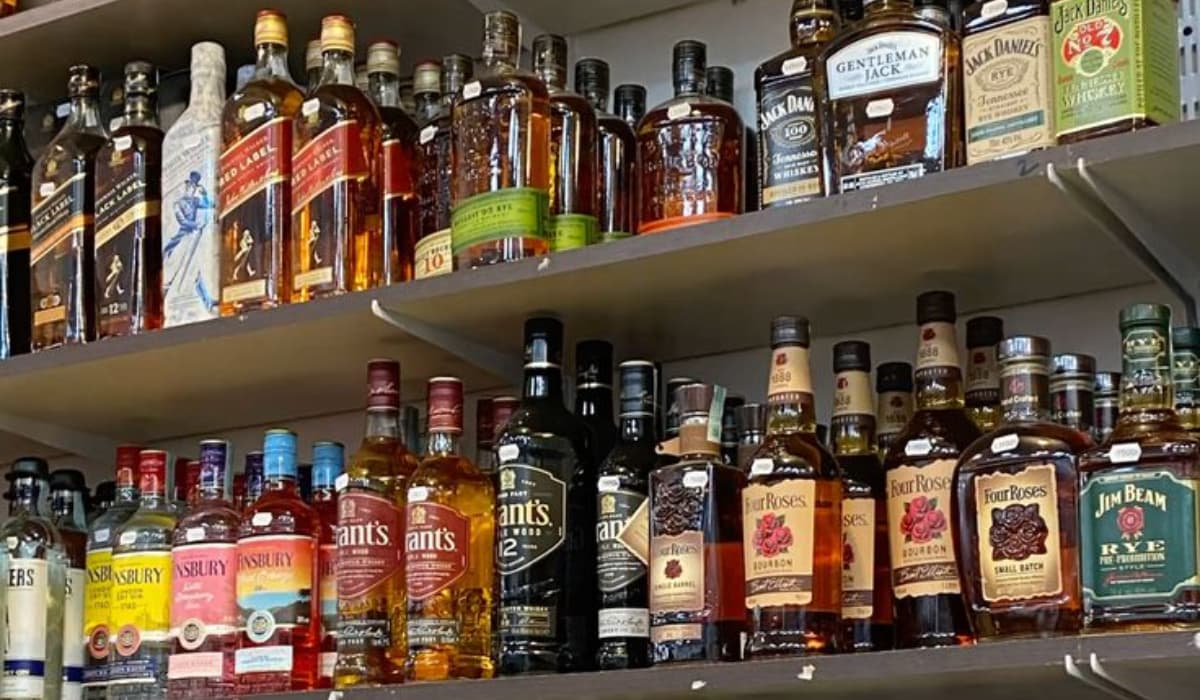
Liquor buyers in Tamil Nadu have been seeing a change in bottle prices since November 1, 2026. The Tamil Nadu State Marketing Corporation (TASMAC) has introduced an Environmental and Social Welfare Cess of INR 10 per liquor container, which is now included in the printed Maximum Retail Price (MRP).
However this is not simply a price increase for liquor. That INR 10 charge replaces the amount previously collected separately under the state's bottle buyback scheme. Consumers can still claim their refund by returning their eligible empty bottles. Here's what the new TASMAC rules mean for the consumer of liquor in Tamil Nadu.
The modified pricing scheme came into force on 1st November 2026. The new scheme includes an INR 10 Environmental and Social Welfare Cess in the MRP of liquor bottles, including Indian Made Foreign Liquor(IMFL), beer and wine.
Previously the TASMAC outlets would take INR 10 off the top from the customer as part of the bottle buyback scheme and that would be credited back to the customer when the bottle was returned. Under the new system, INR 10 is absorbed into the printed price. So a bottle that was previously priced at INR 140 would now be priced at INR 150, with INR 10 credited back when the bottle is returned).
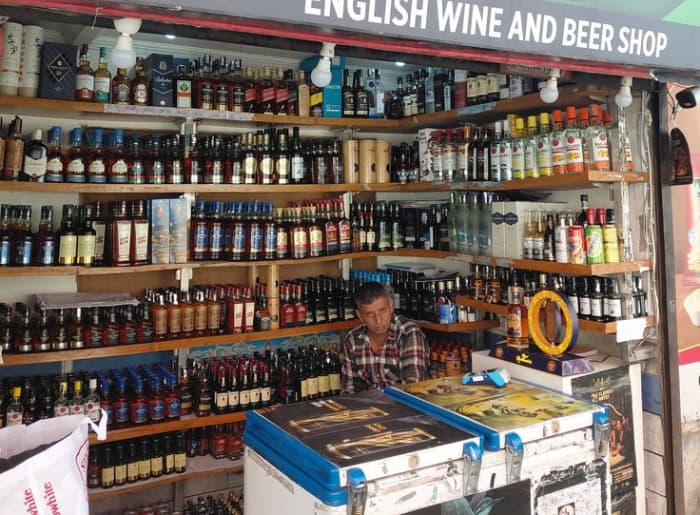
The Environmental and Social Welfare Cess is intended to support environmental protection, social welfare activities, and the safe disposal and recycling of liquor bottles. The Tamil Nadu government has also emphasized that including the charge in the MRP will improve clarity in how the money is collected and recorded.
Under the previous arrangement the refundable INR 10 was taken separately from the printed price of the bottle. There were concerns about the accounting of those collections. The new system brings the amount into the books with updated price tags and specific banking arrangements in place to improve accountability.
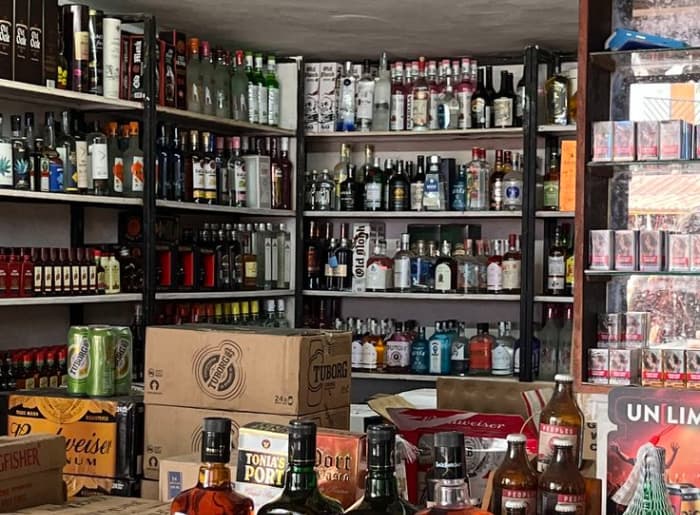
Consumers can claim an INR 10 refund by returning an eligible empty liquor bottle to a designated TASMAC outlet. The refund is part of the bottle buyback scheme (the initial charge is now incorporated into the MRP).
The department have also announced plans to allow customers to return empty bottles to any TASMAC outlet irrespective of where they bought them. The government has approved a phased transition to automated bottle collection and digital refunds. The existing collection arrangements will continue in the meantime. Customers are recommended to check the return procedure at their local outlet.
Did you know Tamil Nadu recorded INR 790 crore in liquor sales during Diwali? Discover how Madurai emerged as the highest-selling district.
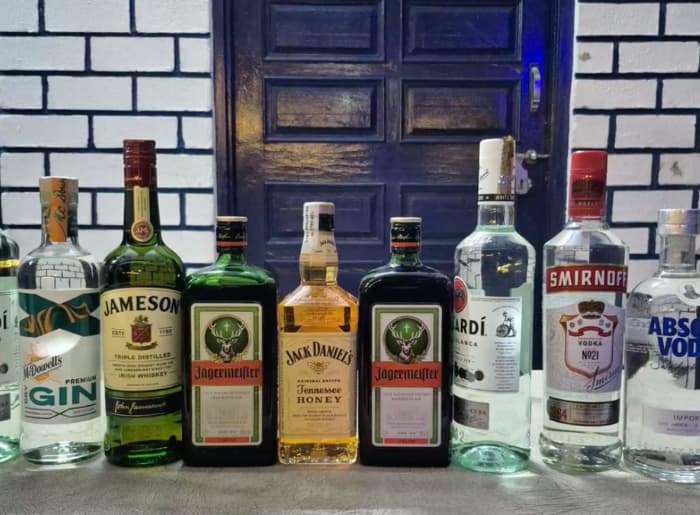
The introduction of the TASMAC environmental cess has met resistance from the retail staff. Several outlets were effectively closed during the protests in early November with staff voicing concerns about the practicalities of the new bottle return and refund scheme.
Staff have raised issues with the POS machines, the lack of storage space for the returned bottles and the extra work involved in the handling of the empties. TASMAC have approved daily handling payments to the outlets to cover the cost of bottle counting, storage and collection in the interim period whilst the automated reverse vending machines are introduced.
Wondering why liquor prices could rise in Tamil Nadu? Find out how GST 2.0 is affecting costs and what it could mean for consumers.
All the information in this piece has come from the Government of Tamil Nadu's own gazette notification and a number of news reports on the new Environmental and Social Welfare Cess (ESWC) introduced by TASMAC. The details included are the ₹10 levy, the revised liquor prices, the empty bottle refund, the employee protests and the plan to introduce automated bottle collection and digital refunds.
Liquor bottles in Tamil Nadu now have an additional INR 10 slapped onto their printed MRP as a result of the Environmental and Social Welfare Cess, which came into effect on 1st November 2026. Consumers can, however, get back INR 10 by returning eligible empty bottles through the TASMAC buyback scheme.
The major change is how the money is collected and accounted for. Rather than being charged separately at the counter, the refundable amount is now incorporated into the official bottle price. The Government says this will improve disclosure and support environmental objectives, but the introduction has also revealed several operational issues at TASMAC outlets.