

By 2026, the alcohol industry will be defined less by consumption volume and more by choice, context, and experience. Consumers are drinking more thoughtfully, seeking products that align with wellness goals, fit modern lifestyles, and deliver quality without excess. Convenience-driven formats, global flavor exploration, and moderation-led drinking habits are reshaping spirits, beer, wine, and cocktails alike. From no- and low-alcohol alternatives to premium ready-to-drink cocktails and rediscovered international spirits, the future of alcohol is more diverse, flexible, and experience-focused than ever before.
No- and low-alcohol (NoLo) drinks have moved well beyond niche appeal. In 2026, they are fully embedded into mainstream drinking culture, appearing alongside traditional products rather than replacing them. Consumers are no longer choosing NoLo as a substitute, but as a deliberate option for specific occasions - weekday evenings, social lunches, fitness-focused lifestyles, and extended socialising without overindulgence. Flavor sophistication, improved mouthfeel, and premium branding are driving adoption across beer, wine, spirits, and cocktails.
Consumer trends in alcohol consumption in 2026 reflect a clear shift toward moderation. Rather than abstaining entirely, drinkers are balancing high-quality full-strength drinks with lower-alcohol or alcohol-free options. Wellness now influences purchasing decisions, with interest in cleaner ingredient lists, lower sugar, reduced calories, and transparent labeling. Alcohol is increasingly positioned as part of a balanced lifestyle rather than a default social lubricant.
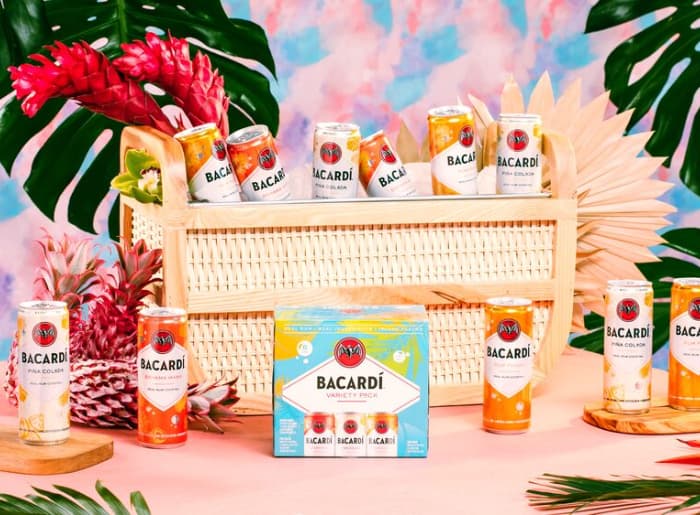
The Ready-to-Drink (RTD) cocktails market growth in 2026 is driven by premiumisation. Early-stage convenience products have evolved into bar-quality canned cocktails made with recognizable spirits, natural ingredients, and refined flavor profiles. These products appeal to consumers who want consistency, portability, and quality without sacrificing experience. RTDs are no longer limited to casual occasions; they are becoming acceptable alternatives for hosting, gifting, and outdoor social events.
Hard seltzers and canned cocktails now serve distinct consumer needs. Hard seltzers continue to appeal to those seeking light, refreshing, low-calorie options, while canned cocktails attract drinkers looking for complexity and premium cues. Rather than competing directly, the two formats coexist, with each occupying a defined space within the broader RTD ecosystem. This segmentation allows brands to innovate without diluting category identity.
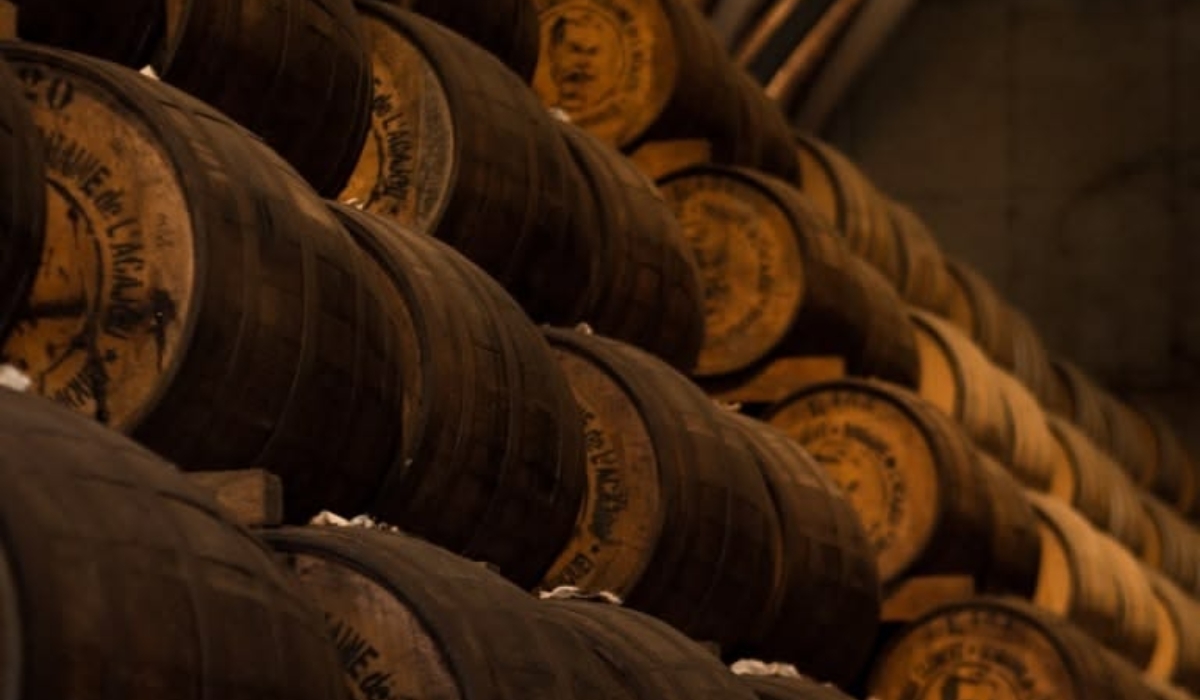
Spirits remain at the forefront of value growth in 2026, particularly within premium and super-premium tiers. Consumers are buying fewer bottles but trading up in quality, gravitating toward craft production, small-batch releases, and distinctive flavor profiles. Tequila, mezcal, whisky, and rum continue to evolve, while experimentation with aging techniques, finishes, and botanicals keeps the category dynamic.
Emerging international spirits trends in 2026 highlight a growing appetite for discovery. Spirits such as raicilla, arak, and singani are gaining traction beyond their regions of origin, driven by bartender advocacy and consumer curiosity. These spirits resonate with drinkers seeking authenticity, heritage, and cultural depth. Their rise reflects a broader shift toward storytelling and place-driven consumption in the global spirits market.
Flavor development in 2026 leans toward complexity rather than intensity. Botanical, bitter, savory, and umami notes are replacing overt sweetness across cocktails, RTDs, and NoLo beverages. Ingredients like herbs, spices, fermented elements, and regional botanicals create layered drinking experiences that feel more culinary and less confectionery. This evolution aligns with more mature palates and food-forward drinking occasions.
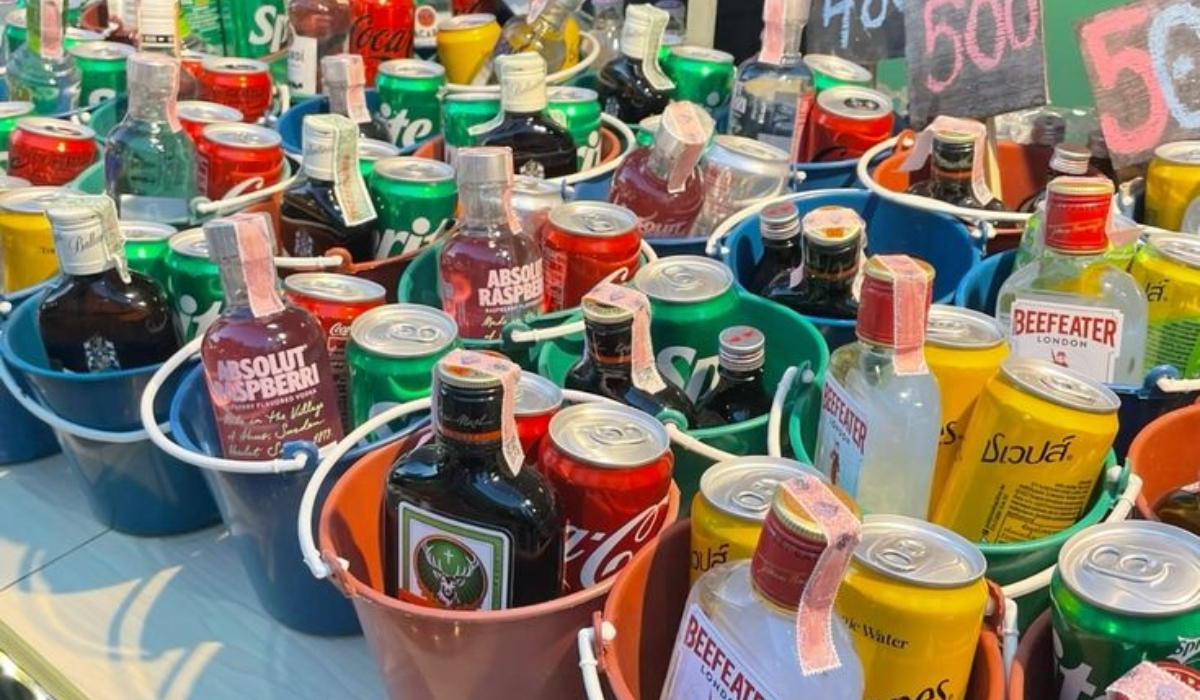
Packaging innovation plays a key role in the future of the alcohol industry in 2026. Smaller cans, single-serve bottles, and mixed multipacks encourage moderation and experimentation. These formats reduce waste, improve accessibility, and better match modern consumption habits. Packaging is also becoming more sustainable, with lightweight materials and refill-friendly designs gaining traction.
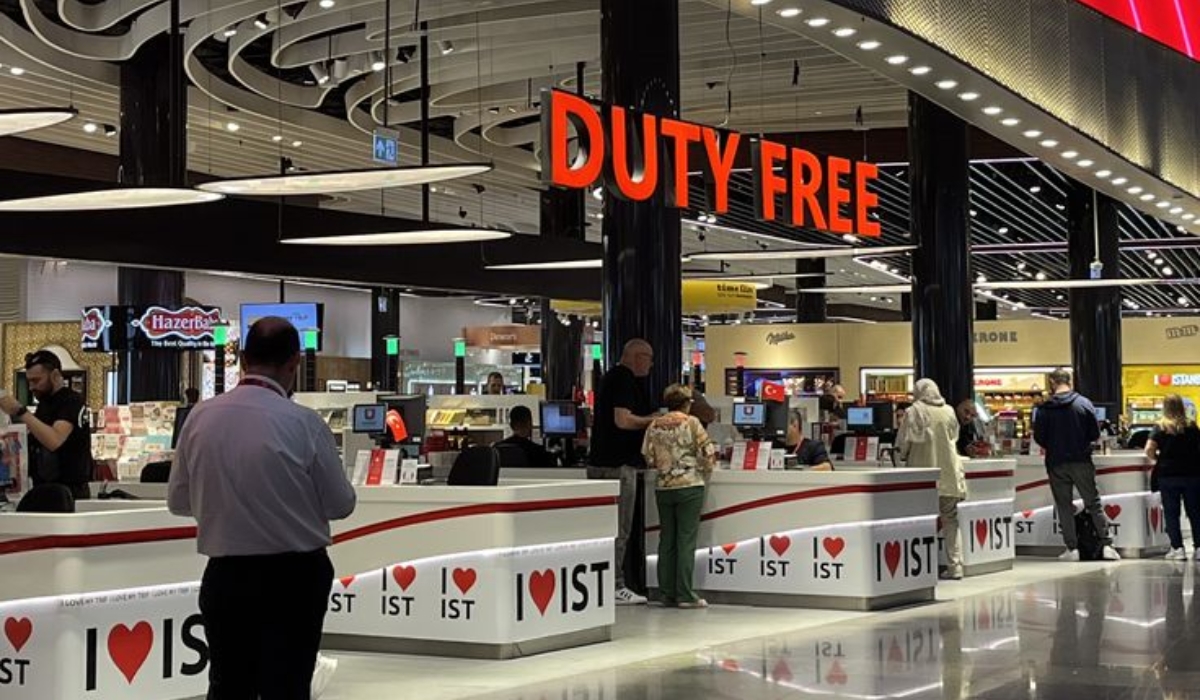
On-premise and retail environments are evolving to reflect changing expectations. Bars are expanding low- and no-alcohol menus, offering curated tasting flights and experience-driven cocktail programs. Retailers are organizing shelves by occasion and alcohol strength rather than category alone. Education, storytelling, and discovery are becoming central to how alcohol is sold and served.
Transparency is no longer optional. Consumers expect clarity around alcohol content, ingredients, sourcing, and production practices. Brands that communicate openly and align with values around sustainability, responsible consumption, and authenticity are building stronger loyalty. In 2026, trust is a critical driver of long-term growth across all alcohol categories.
The biggest beverage trends of 2026 show an industry in transition. Growth is no longer driven by volume or intoxication, but by versatility, quality, and relevance. NoLo beverages, premium RTDs, emerging global spirits, and moderation-led consumption are shaping a more thoughtful and resilient alcohol market. Brands that succeed will be those that embrace flexibility, respect evolving consumer values, and deliver meaningful experiences – whether with alcohol, less of it, or none at all.