
If you’ve ever been out with friends, enjoying a few drinks, only to suddenly start hiccuping uncontrollably, you’re not alone. “Drunk hiccups” are a surprisingly common phenomenon, more like a side effect of consuming alcohol, especially during nights that involve carbonated beverages, shots, or drinking too quickly.
While they’re usually harmless and disappear on their own, drunk hiccups can be annoying, or embarrassing for some. But what exactly causes them, and is there any way to stop them?
Let’s take a closer look at why drunk hiccups happen and what you can do about them.
Hiccups occur when your diaphragm – the large muscle located beneath your lungs that helps you breathe – contracts involuntarily. This sudden contraction causes a quick intake of air, which immediately stops when your vocal cords close. The result is the ‘hic’ sound associated with hiccups.
Most hiccups last only a few minutes, although in rare cases they can persist for much longer. Common triggers include eating too quickly, consuming spicy foods, drinking carbonated beverages, swallowing excess air, and, of course, drinking alcohol.
Alcohol can contribute to hiccups in several ways. Often, it’s not just the alcohol alone that causes drunk hiccups but a combination of a few factors. These are mentioned below:
Alcohol can irritate the nerves that control the diaphragm, particularly the phrenic and vagus nerves. When these nerves become stimulated or irritated, they may trigger the involuntary muscle contractions responsible for hiccups. This is one reason why some people start hiccuping even after only a few drinks.
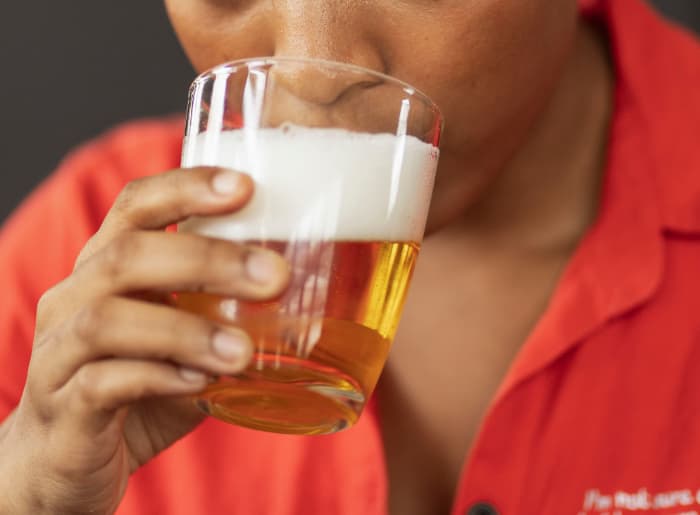
Many drinks like sparkling wine, hard seltzers, tonic water, beer, and cocktail mixers often contain carbonation. These fizzy drinks increase carbon dioxide in the stomach, causing it to expand. As the stomach expands, it can put pressure on the diaphragm, increasing the likelihood of spasms and hiccups. This explains why beer drinkers often hiccup more than those drinking non-carbonated spirits.
Drinking too quickly can cause you to swallow excess air along with the liquid. This trapped air can then accumulate in the stomach and irritate the diaphragm. Taking multiple shots in quick succession or chugging beverages can also increase the risk of you getting a hiccup.
Alcohol relaxes the lower esophageal sphincter: the muscle that prevents stomach acid from moving back into the esophagus. As a result, some people experience acid reflux or heartburn after consuming alcohol. The irritation caused by stomach acid can stimulate the vagus nerve and trigger hiccups.
Alcohol consumption often goes hand-in-hand with eating large meals, bar snacks, or late-night food. When the stomach is filled with food and alcohol combined, it naturally expands and presses against the diaphragm. This pressure can contribute to hiccup episodes.
When the stomach becomes overly full from food and alcohol combined, it expands and presses against the diaphragm. This mechanical pressure can contribute to hiccup episodes.
Also Read: Hangover Cure At Home: What Actually Works In 2026
While there is no ‘official’ cure for getting rid of hiccups, several remedies may help interrupt the reflex causing them. Here are a few ways in which you can get rid of hiccups:
One of the oldest remedies is to hold your breath for 10 to 20 seconds before slowly exhaling. This increases carbon dioxide levels in the bloodstream, which may help relax the diaphragm and stop the spasms.
You can also take a deep breath and then a sharp, quick breath and hold it for 10 seconds. This works most of the time as it relaxes the diaphragm and stops the spasms.
Drinking small sips of chilled water can help stimulate the vagus nerve and potentially interrupt the hiccup cycle. Don’t gulp water, instead sip it slowly to avoid swallowing too much air.
Taking slow, controlled breaths may help relax the diaphragm and reduce the frequency of contractions.
If acid reflux is contributing to your hiccups, sitting upright instead of lying down can reduce irritation and help symptoms subside.
Alternatively, you can bend forward instead of sitting upright. This position also helps put pressure on your diaphragm, allowing you to get rid of your hiccup faster.
If beer or fizzy cocktails triggered the hiccups, avoid consuming more carbonated beverages until they disappear.
Also Read: 7 Hangover Cure Cocktails & Drinks That Actually Help
While it’s impossible to guarantee that hiccups won’t happen, a few simple habits can significantly reduce the chances. These are as follows:
Avoid drinking too quickly. Sip your drinks slowly and allow your body time to process both the alcohol and any carbonation.
Alternating alcoholic beverages with water helps reduce irritation, supports digestion, and may minimize hiccup triggers. This can also help dilute the intensity of the alcohol, keeping your inner system largely unaffected by the effects of alcohol.
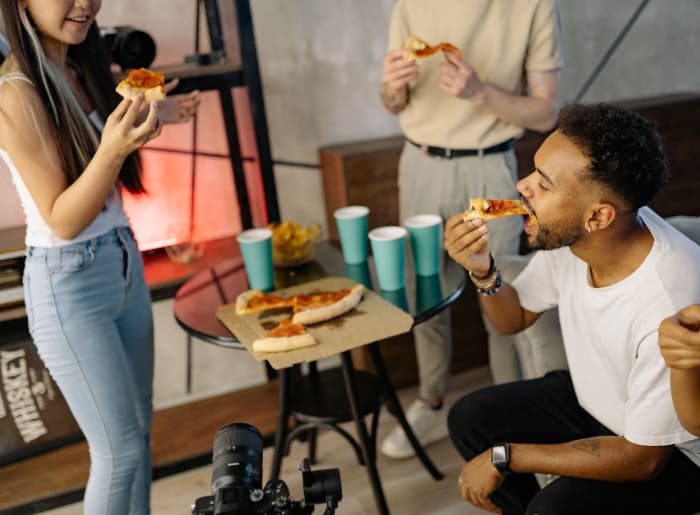
Having a balanced meal before drinking can help slow alcohol absorption and reduce digestive irritation. Make sure you eat enough before as well as in between drinks.
If you know beer or sparkling cocktails tend to trigger hiccups for you, consider choosing still beverages instead. Carbonated drinks contain carbon dioxide which can cause your stomach to expand, so avoid such drinks to prevent hiccups.
A stomach that’s overly full is more likely to press against the diaphragm and trigger spasms. So we’d recommend not overstuffing yourself with food.
Also Read: Monsoon Gin & Tonic Variations To Try This Rainy Season
https://www.instagram.com/reel/DZXX56vBUwy/?utm_source=ig_web_copy_link&igsh=NTc4MTIwNjQ2YQ==
Drunk hiccups are nothing to be scared of – it’s just another normal phenomenon your body pulls up when the diaphragm hits the ‘panic’ button. Alcohol, carbonation, rapid drinking, acid reflux, and stomach expansion can all irritate the diaphragm and the nerves that control it, leading to those involuntary “hic” sounds.
Fortunately, most drunk hiccups are harmless and temporary. Drinking more slowly, staying hydrated, avoiding excessive carbonation, and giving your body time to recover can often prevent them from occurring in the first place.
Alcohol can irritate the diaphragm and digestive system, while carbonated drinks and rapid drinking can increase pressure on the stomach, making hiccups more likely.
Often, yes. Beer contains carbonation, which can expand the stomach and increase the likelihood of hiccups compared to non-carbonated drinks.
Dehydration itself is not a direct cause, but alcohol-related dehydration can contribute to digestive discomfort that may make hiccups more likely.
If hiccups last longer than 48 hours, occur frequently, or are accompanied by pain, difficulty swallowing, or breathing problems, medical evaluation is recommended.