
From K-dramas and K-pop to Korean barbecue restaurants, soju has become one of the most loved alcoholic beverages in the world. If you’ve ever watched Korean dramas, you must’ve seen friends clinking their glasses and shouting “Geonbae!” before taking a shot. But what is soju exactly and why is it so popular?
Let’s take a look at what soju is exactly and why it is so popular today.
First things first, soju is a clear alcoholic beverage originating from Korea. Traditionally distilled from grains like rice, it also uses sweet potatoes, wheat, barley, or tapioca.
Unlike strong spirits like vodka, whisky, or tequila, soju is lighter with the alcoholic beverage volume (ABV). Most soju brands contain about 12% to 20% ABV, making them approachable for casual drinkers.
Its flavor is often described as clean, slightly sweet, and neutral, which makes it easy to pair with food or enjoy on its own.
Also Read: 10 Soju Cocktails That Make You Feel Like You’re In South Korea
The ingredients used in soju have evolved over time.
Historically, Korean distillers made soju primarily from:
Rice-based soju remains highly respected and is often considered more premium due to its richer flavor and artisanal production methods.
The soju sold by many commercial brands today does not use the same traditional production methods that older versions of soju use. Many modern soju brands use alternative starch sources such as:
These ingredients are fermented and distilled before being diluted with water to achieve the desired alcohol content. There are many flavored versions of soju available today; these are made using fruit extracts, sweeteners, and natural flavorings.
Also Read: 10 Soju Cocktails That Make You Feel Like You’re In South Korea
The production process is surprisingly similar to other distilled spirits.
The chosen starch source – whether rice, sweet potato, or another grain – is mixed with water, and fermentation cultures. During fermentation, yeast converts sugars into alcohol.
The alcohol produced from the fermentation process is then evaporated at a lower temperature than water. The resultant alcoholic vapors are collected and condensed back into liquid form.
Traditional Korean distilleries often use pot stills, while large-scale manufacturers may use continuous distillation systems.
After distillation, the spirit is filtered and diluted with water to reach the desired ABV. This step is one reason modern soju tastes smoother and lighter than many other spirits.
For fruit-flavored soju, flavorings and sweeteners are added before bottling. The result is a sweeter, lower-alcohol beverage that appeals to new drinkers.
Understanding soju means understanding a little bit about Korean culture. In South Korea, soju is not just a drink, it is a part of the country’s cultural fabric. It is a social ritual that writes the culture of South Korea, in the most distinct ways possible. In South Korea, soju is more than just an alcoholic drink -- it's a social ritual.
Soju is commonly enjoyed during:
Hold on! Just because you have a bottle of soju next to you, doesn’t mean you can straight away take hold of it. There are certain soju etiquettes that everyone enjoying soju is expected to follow.
Traditional Korean drinking culture includes several customs:
These customs reflect the importance of respect and social harmony in Korean society.
Not all soju is the same. Here are the main categories you'll encounter.
This is the most common style found in green bottles.
ABV: Usually 16% to 20%
Taste: Clean, mildly sweet, and smooth
Popular brands include:
Flavored soju has exploded in popularity globally.
ABV: Usually 12% to 14%
Popular Flavors:
These are often sweeter and easier for beginners to enjoy.
Produced using traditional methods and often made entirely from rice.
ABV: 20% to 40%
Taste: More complex, aromatic, and spirit-forward.
These bottles are increasingly gaining recognition among cocktail enthusiasts and spirit collectors.
Also Read: Difference Between Sake, Soju, And Shochu
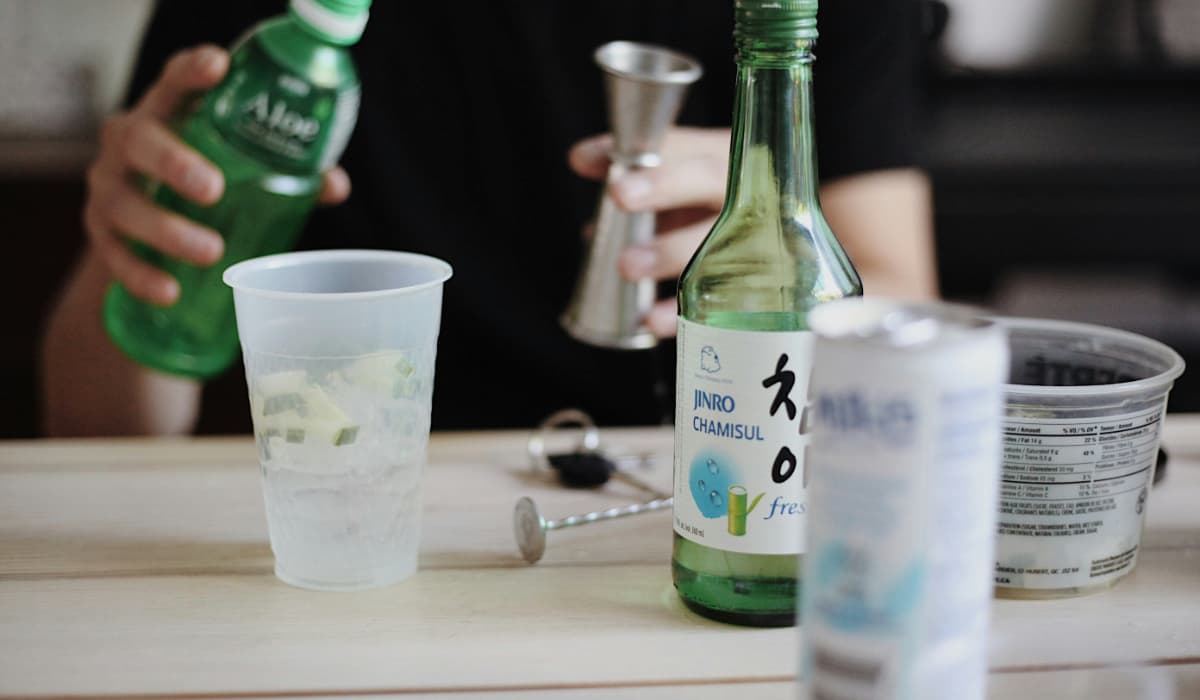
You can enjoy soju in different ways. Whether you’d like to try a chilled and neat glass of soju or ready to stir it up in a cocktail, here are the most popular ways to enjoy soju!
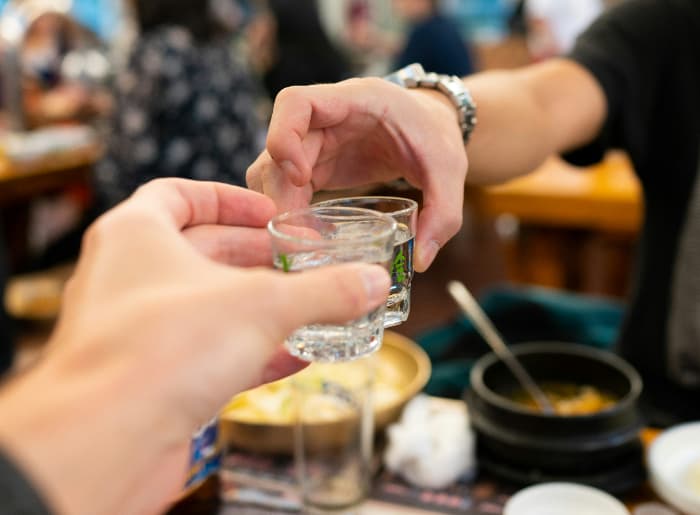
Serving it cold is the most popular option.
Yes, soju is increasingly available across India, especially in major metropolitan cities. The growing popularity of Korean culture through K-dramas, Korean food, and Korean music has created a strong demand for Korean alcoholic beverages, including soju.
You can often find imported soju mainly through premium liquor retailers, specialty alcohol stores, premium grocery stores, Korean convenience stores, restaurants serving Korean food, and more.
Popular imported brands available in India often include Jinro and Chum Churum, although availability varies by state and local alcohol regulations.
Prices are generally higher than in Korea due to import duties and distribution costs.
Also Read: Seoulmate Soju: Nuvola Spirits Brings Korean Drinking Culture to Karnataka
Mumbai's Korean food scene has expanded significantly in recent years. With the rise in K-culture’s popularity, soju and the culture around soju has become mainstream in India.
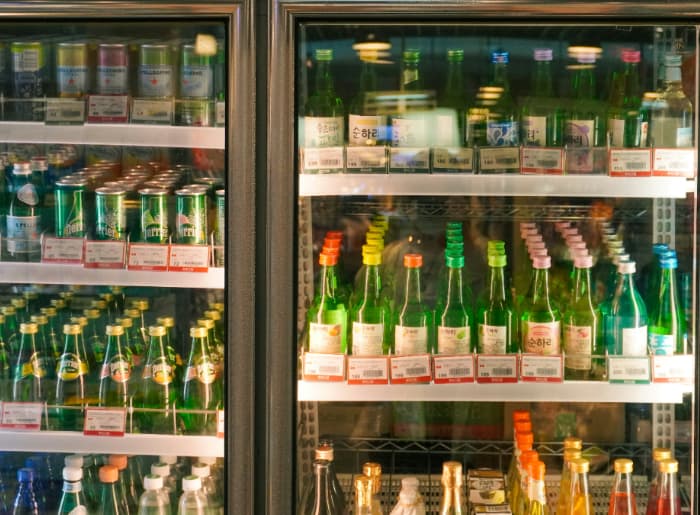
Some places known for serving Korean cuisine and often offering soju include:
Availability of specific brands and flavors may vary, so it's worth checking with the restaurant before visiting. However, most restaurants specializing in Korean, Japanese, or pan-Asian cuisine usually stock up on a number of Asian wines and liquors, including soju.
Many Korean restaurants pair soju with:
The combination of spicy food and chilled soju is one of the reasons the drink remains so beloved.
Also Read: The Smart Trend in South Korea: Pre-Poured Wine Glasses
Soju may look simple, but it carries centuries of history and cultural significance. It is made from rice usually, and distilled into a smooth and approachable spirit. Whether you try a classic bottle of regular soju, a fruity one, or a craft soju, we’re sure you’ll have a great sipping experience. And with soju literally exploding in popularity in India, it is easily accessible – more than ever!
Yes. Most beers range between 4% and 8% ABV, while soju typically ranges from 12% to 20% ABV.
Not exactly. Soju is usually sweeter, lighter, and smoother than vodka.
Yes. Chilling soju before serving is the most popular way to enjoy it.
Absolutely. Its relatively low alcohol content and smooth taste make it beginner-friendly.
Korean barbecue, fried chicken, spicy noodles, kimchi dishes, and grilled meats are classic pairings.