
The Hallyu wave has taken over the world, and how. Even in India, it feels like everyone is watching K-dramas, listening to K-pop or at least knows what BTS song is currently everywhere. And along with the music, food, fashion and dramas, another very Korean part of the culture has become familiar to people outside the country, Soju.
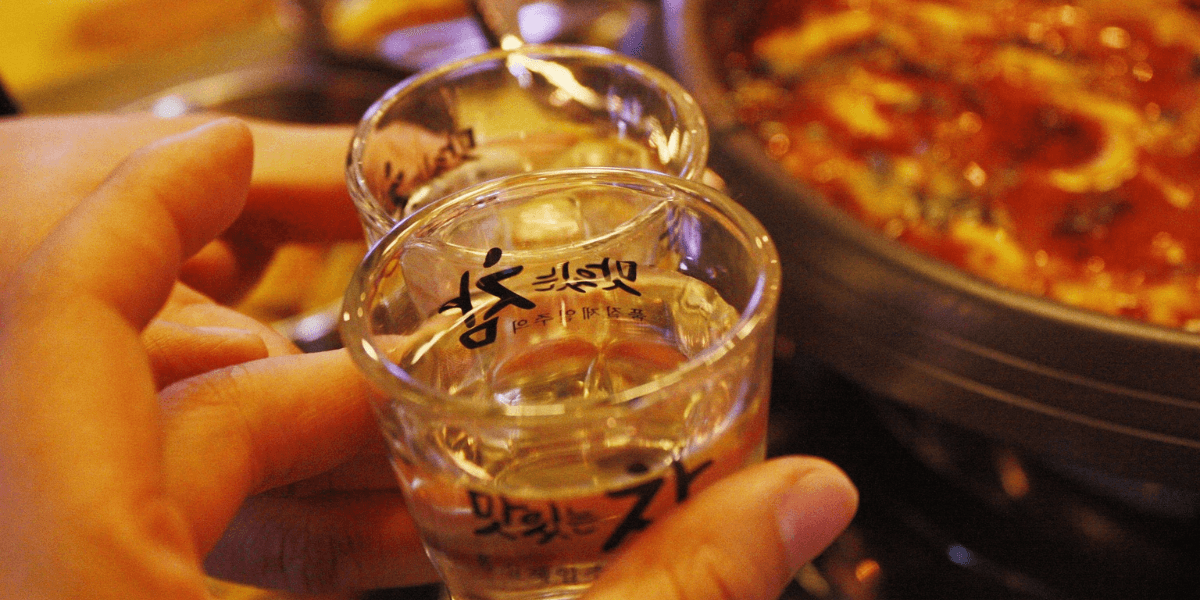
You see it constantly in K-dramas. Someone has had a terrible day, out comes the green bottle. Friends sit around a table with little glasses. Somebody pours for somebody else and there is usually food involved too.
But if you're actually in Seoul, stopping at soju is only scratching the surface. Korea has a surprisingly broad drinking culture, from cloudy fermented rice drinks to clear traditional spirits, fruit wines and modern Korean beer. So, if you're heading to Seoul and want to drink like more than just a K-drama character, these are seven Korean alcohols worth trying.
Start here if you want something completely different from the standard bottle of soju.
Makgeolli is a cloudy, milky fermented drink traditionally made from rice and nuruk, a Korean fermentation starter. It is usually lower in alcohol than soju and can have a slightly sweet, tart and gently fizzy character.
Some bottles have sediment at the bottom, so you'll often see people gently mixing the bottle before pouring. Don't shake it like a bottle of champagne unless you want a very messy table.
Makgeolli is also closely connected with Korean food culture and people usually pair this with dishes such as nokdujeon and pajeon.
Cheongju is the one to look for if cloudy makgeolli isn't really your thing. It is a clear, refined rice wine made through fermentation and filtration. Traditional cheongju generally has around 15% to 18% ABV, with sweetness from the rice and aromas developed during fermentation.
It can remind you of sake at first glance, but it shouldn't simply be treated as Korean sake. The ingredients, fermentation traditions and cultural history are different.
Try it with seafood, lighter Korean dishes or grilled food. And if you're doing a proper Korean drinking crawl, this is a good one to put somewhere between makgeolli and stronger spirits.
Soju is still on the list. Just not the green-bottle version you probably already know.
Andong Soju comes from Andong in Gyeongsangbuk-do and represents the traditional distilled side of Korean alcohol. It is considerably more characterful than the mass-market diluted soju commonly found in Korean restaurants.
This is the bottle to try if you want to understand why "soju" is much bigger than one category of inexpensive spirit. It can be quite strong, so don't approach it like a flavoured soju shot.
Also Read: Korean Soju: Why The Indian Gen Z Is Obsessed With This Drink
If you're more into wine and fruit-forward drinks, look for bokbunja-ju. This deep red Korean fruit wine is made with bokbunja, the Korean black raspberry. It is generally sweeter and fruitier than grape wine, with a rich berry character and a noticeably higher alcohol level than many table wines.
It is also one of those drinks where the name and the story behind it are almost as interesting as the drink itself.
Bokbunja-ju is commonly paired with Korean meat dishes, especially grilled meats. The sweetness and acidity can work surprisingly well alongside smoky, savoury flavours.
Baekseju is a traditional Korean herbal rice wine, and it is one of the more unusual bottles you can come across in Seoul.
It is made from rice and incorporates various herbs and botanicals. Ginseng is one of the flavours associated with the drink, giving it a distinctly herbal character compared with straightforward rice wines.
The name literally translates to "hundred-year wine," referring to the traditional idea that drinking it could help one live to 100.
Also Read: Is Soju Stronger Than Vodka? How The Two Spirits Compare
Don't take that as a health claim, obviously, because in the end you are still drinking alcohol. But as a piece of Korean drinking culture, Baekseju is worth trying, particularly if you like herbal or slightly bitter drinks.
Maesil-ju is Korean plum wine, and this is probably one of the easier styles for someone new to Korean alcohol. It has a sweet and fruity profile, with the tartness of green plum coming through. Depending on the producer, it can be enjoyed chilled, over ice or alongside Korean food.
The important thing here is that maesil-ju is not just Korea's version of a generic sweet wine. Maesil, or Korean plum, has its own place in Korean food and drink culture, and plum-based drinks are part of that wider tradition.
Also Read: Soju Shock: 5 Soju Facts You Probably Didn't Know
Beer may not have the centuries-old history of makgeolli or traditional soju, but the Korean beer scene has grown considerably. Alongside big domestic names, Seoul has a growing craft beer culture with independent breweries and taprooms offering everything from lagers and pale ales to IPAs and darker styles.
It also gives you a completely different drinking experience. Go for Korean BBQ and beer, order some fried chicken and make it a chimaek evening, or simply find a neighbourhood taproom and try a couple of local pours.
Seoul's drinking culture goes well beyond the familiar green bottle of soju. From cloudy, lightly fizzy makgeolli and elegant cheongju to stronger traditional Andong Soju, fruity bokbunja-ju and sweet maesil-ju, there is quite a lot to explore. What makes these drinks interesting is how closely they are tied to Korean food, regional traditions and centuries-old fermentation methods.
I knew about soju before I knew much about Korean alcohol. And honestly, I think that's probably the case for most people outside Korea. K-dramas have made the little green bottle almost instantly recognisable.
But if I were planning a Seoul drinking list, I wouldn't make it a soju-only trip.
I would go for a cold makgeolli with pajeon, a glass of cheongju with dinner, and I'd definitely try a traditional Andong Soju just to understand the difference. Bokbunja-ju would be the fun wildcard, especially with Korean barbecue. So have fun and geonbae!