
.jpg&w=3840&q=75)
Japanese whisky has become one of the most sought-after spirit categories in the world. What started as a niche alternative to Scotch is now found in luxury bars, premium retail stores, and the collections of whisky enthusiasts across India. Brands like Hibiki and Nikka have built a reputation for quality, craftsmanship, and consistency, making them highly desirable among consumers.
However, one question continues to come up whenever someone spots a bottle on a store shelf: Why is Japanese whisky so expensive? While a standard premium whisky may cost a few thousand rupees, many Japanese expressions comfortably cross the INR 10,000 mark, with some rare releases costing lakhs. The answer lies in a combination of history, craftsmanship, scarcity, and growing global demand.
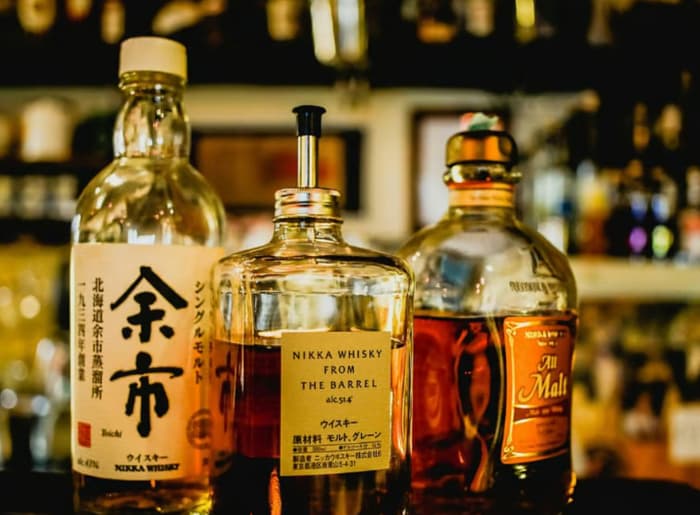
Japanese whisky has a relatively short history compared to Scotch whisky, but it has managed to build a remarkable reputation in a short period. The first major Japanese whisky distillery, Yamazaki, was established in 1923 by Shinjiro Torii. Over time, distilleries such as Suntory and Nikka refined their production methods and developed a distinct style that balanced Japanese precision with traditional whisky-making techniques.
The category gained significant international attention after Japanese whiskies began winning major global awards. One of the biggest turning points came when Yamazaki Single Malt Sherry Cask 2013 was named World Whisky of the Year by whisky critic Jim Murray. As international demand surged, Japanese whisky transformed from a respected regional spirit into a global luxury category.
Also Read: Is Expensive Whisky Always Better?
One of the biggest reasons behind the high price of Japanese whisky is the limited production. Unlike many large whisky-producing regions, Japanese distilleries often focus on smaller volumes while maintaining strict quality standards. Aging also adds to the cost, as whiskies spend years maturing in casks while producers invest in storage and lose a portion of the spirit through evaporation, known as the angel's share.
Premium ingredients and specialized casks further increase costs, as most distilleries use rare Mizunara oak barrels, which are expensive and difficult to source. At the same time, global demand for Japanese whisky continues to outpace supply, especially for older expressions. In India, import duties, state taxes, and distribution costs push prices even higher, making Japanese whisky significantly more expensive than its original retail price.
The premium end of Japanese whisky demonstrates just how valuable the category has become.
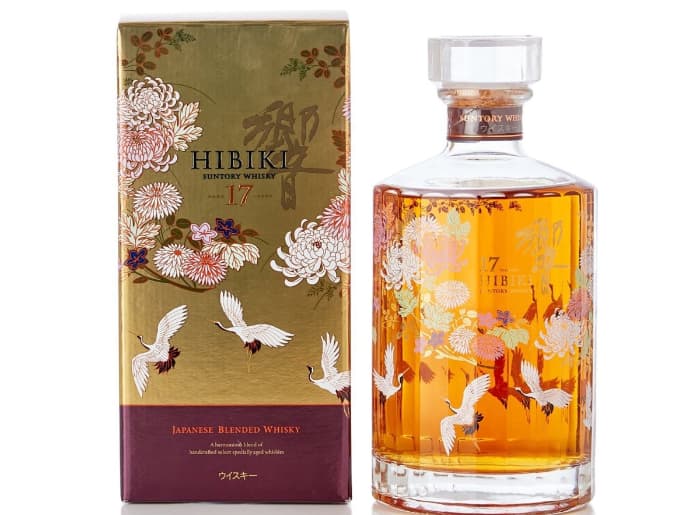
Often regarded as one of Japan's finest blended whiskies, Hibiki 21 combines carefully aged grain and malt whiskies to create a rich and balanced profile. Its rarity and limited availability have made it highly sought after by collectors and enthusiasts. Hibiki 21 is only available in India via duty-free channels
Price in Mumbai: INR 74,690
Produced at the Mars Shinshu Distillery, Komagatake Single Malt is known for its limited annual releases and mountain-aged character. The whisky offers a combination of fruit, nuttiness, and gentle complexity that has earned it a loyal following among Japanese whisky fans.
Price in Mumbai: INR 17,500 for 700ml
Produced by Matsui Shuzou, Kurayoshi Pure Malt Sherry Cask is known for its rich sherry influence and smooth character. The whisky combines Japanese craftsmanship with a layered flavor profile shaped by its cask maturation.
Price in Mumbai: INR 11,600 for 700ml
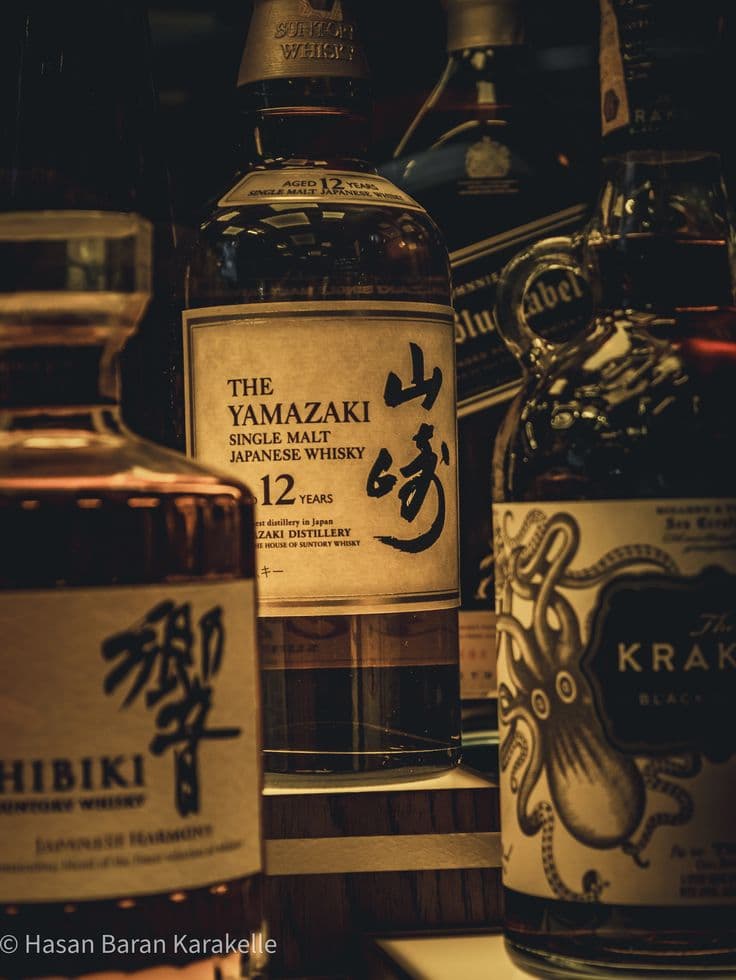
Produced at Japan's pioneering single malt distillery, Yamazaki 12 Years Old is considered a benchmark Japanese whisky. It combines fruit, spice, and subtle Mizunara oak influence to create a balanced and elegant drinking experience.
Price in Mumbai: INR 27,800 for 700ml
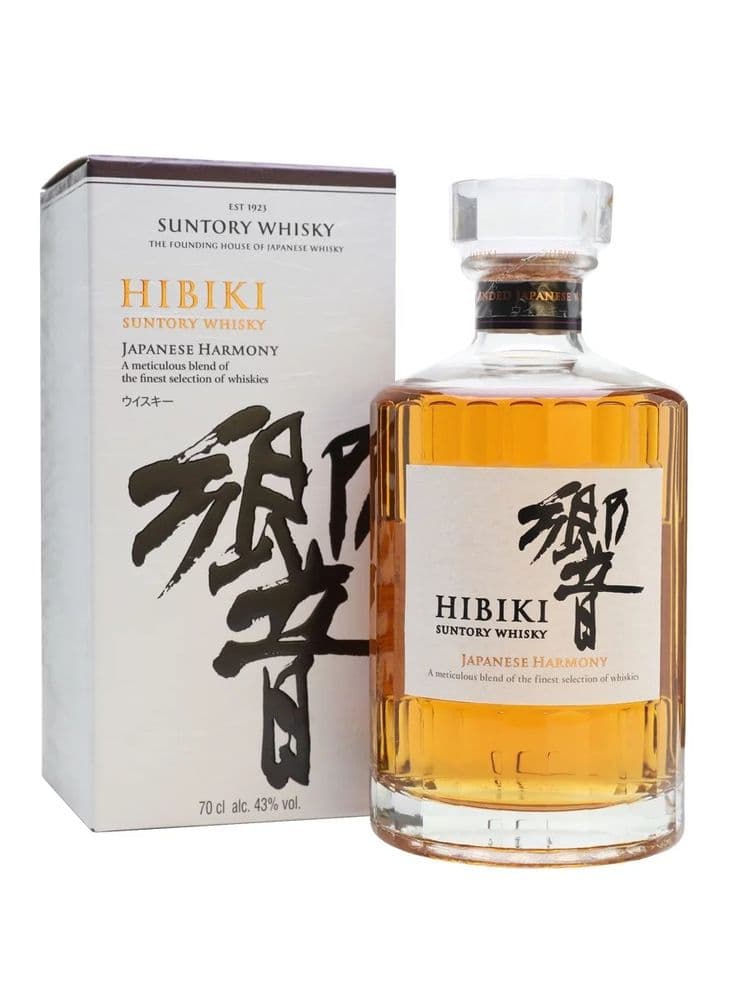
Hibiki Harmony is one of the most popular Japanese whiskies available globally. Known for its floral notes, honey sweetness, citrus character, and smooth finish, it showcases the art of Japanese blending at its finest.
Price in Mumbai: INR 12,000 for 700ml
While Japanese whisky is often associated with luxury pricing, there are a few relatively accessible options for drinkers who want to explore the category without spending over INR 10,000. Some popular entry-level Japanese whiskies available in India include Suntory Toki (INR 5,200 for 700ml), Tenjaku Whisky (INR 3,950 for 700ml), and Akashi White Oak (INR 2,800 for 500ml). These bottles offer a more affordable way to experience Japanese whisky while still showcasing the balance and refinement the category is known for.
Also Read: 15 Best Whiskey Brands In India You Need To Try Right Now
If your goal is simply to find good whisky at a reasonable price, there are plenty of excellent Scotch, Irish, and Indian whiskies available for less money. Japanese whisky is not automatically better simply because it carries a Japanese label. However, for drinkers who appreciate craftsmanship, rarity, and attention to detail, Japanese whisky offers something unique. The production methods, blending philosophy, use of specialized casks, and commitment to quality create a drinking experience that many enthusiasts find worth the premium. In some cases, you are paying for flavor and craftsmanship. In others, you are paying for scarcity and collectability.
Japanese whisky commands high prices in India because of several factors working together. Limited production, lengthy aging periods, premium ingredients, rare Mizunara oak casks, international demand, and Indian taxes all contribute to the final cost consumers see on the shelf.
While bottles like Hibiki 21 Years Old represent the luxury end of the spectrum, more approachable options such as Suntory Toki and Akashi White Oak make it easier to explore the category. Whether you're buying a bottle for its craftsmanship, collectability, or simply to experience one of the world's most respected whisky styles, Japanese whisky continues to justify its reputation as a premium spirit category.
.jpg&w=3840&q=100)