
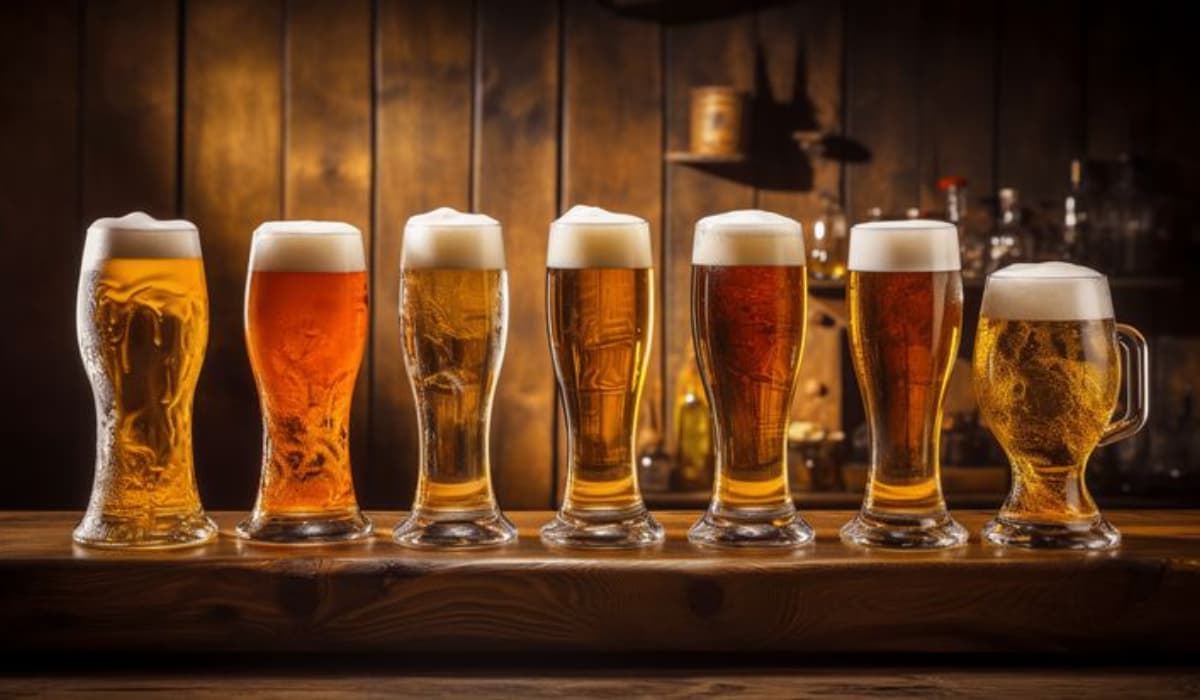
Beer is one of the world's most popular alcoholic beverages, yet many drinkers still use the terms "lager" and "pilsner" interchangeably. Since both styles are typically light in color, refreshing, and served cold, it's easy to assume they're the same. In reality, they have an important relationship, but they are not identical.
The simplest way to understand the difference is this: a pilsner is a type of lager. While every pilsner is brewed as a lager, the lager category includes several other beer styles that vary in flavor, color, bitterness, and strength. Knowing what sets them apart can help you discover which style best suits your palate.
.jpg&w=1920&q=75)
Lager beer refers to a broad family of beers brewed using bottom-fermenting yeast that works at cooler temperatures than ale yeast. After fermentation, the beer is conditioned, or "lagered," for several weeks, resulting in a clean, smooth, and crisp flavor profile with very little fruity character. Unlike ales, which are defined by bold yeast flavors, lagers emphasize balance and drinkability. They also come in many different styles, ranging from pale and refreshing beers to darker, malt-forward varieties with richer flavors.
Also Read: How To Choose Between Lager, IPA, Wheat Beer & Stout
Pilsner beers are one of the most recognizable styles within the lager family. It was first brewed in the Czech city of Plzeň during the mid-1800s by Bavarian brewer Josef Groll, who combined pale malt, soft water, and Saaz hops to create a beer that was bright, clear, and remarkably refreshing. The style quickly gained popularity across Europe before spreading around the world. Today, pilsners remain known for their crisp finish, floral hop aroma, light body, and refreshing bitterness, making them one of the most widely consumed beer styles globally.
.jpg&w=1920&q=75)
One of the reasons lagers are so popular is the variety they offer. While pale lager is the style most people recognize, the lager family includes several distinct beer styles, each with its own flavor profile and brewing tradition.
.jpg&w=1920&q=75)
If you're deciding between a pilsner and another type of lager, your choice should depend on the flavors you enjoy. Pilsners are ideal for drinkers who appreciate crisp, refreshing beers with noticeable hop aroma, floral notes, and a clean, slightly bitter finish. They also pair well with seafood, fried foods, grilled chicken, and spicy dishes.
If you prefer beers that are smoother and more malt-driven, a pale lager is an excellent everyday choice. Those looking for richer, more complex flavors can explore styles like Helles, Vienna Lager, Dunkel, or Bock. Since every lager offers a different balance of malt, hops, and body, trying a few different styles is the best way to discover your personal favorite.
.jpg&w=1920&q=75)
Although they're often mentioned together, pilsners and lagers are not the same. Lager is a broad category of beers brewed using bottom-fermenting yeast, while pilsner is one of its most famous styles. Pilsners are known for their pale color, crisp finish, and pronounced hop character, whereas the lager family includes everything from light and refreshing pale lagers to dark, malt-forward beers.
Whether you prefer the clean bitterness of a classic Czech pilsner or the smooth drinkability of a pale lager, understanding the differences helps you make more informed choices. The next time you're browsing a beer menu or standing in front of the craft beer shelf, you'll know exactly what separates these two popular styles.