
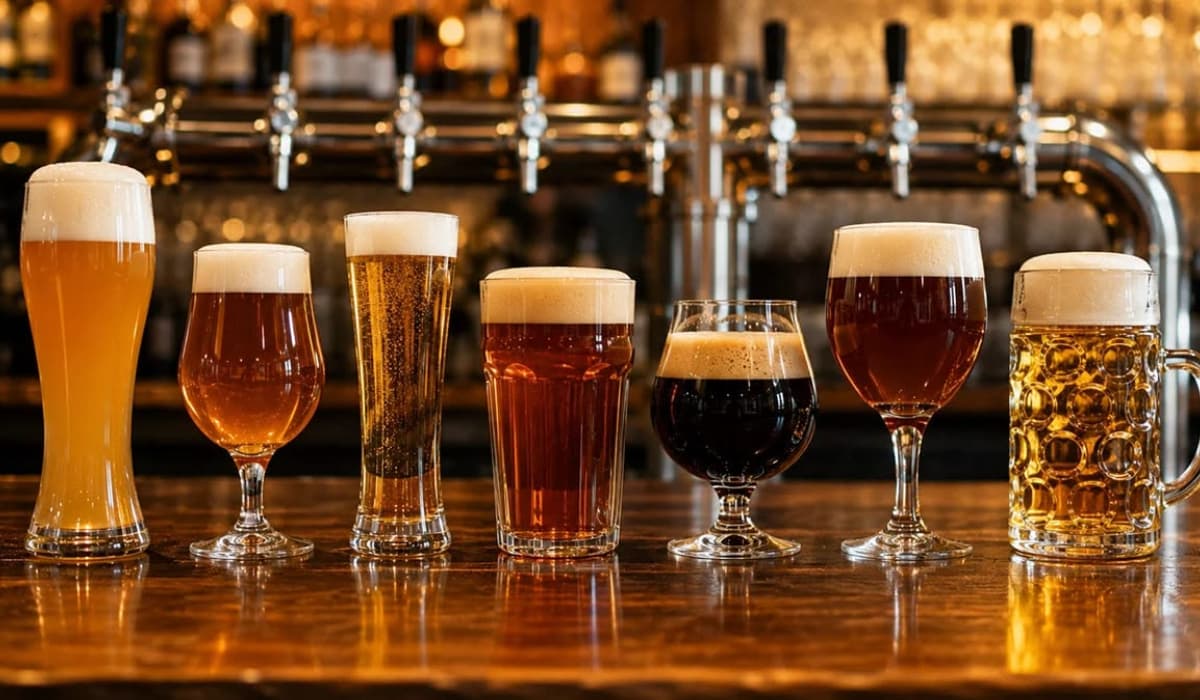
In today's day and age, there are multiple different ways in which you can consume beer. While some beers are known for their higher alcohol context, strong flavors, others are brewed to be lighter and refreshing. Session beer falls under the latter as they offer a lighter beer which does not compromise on taste. So what is Session beer and how is it different from regular or strong beer?
But what is session beer, and how different is it from regular or strong beer? Although the term might sound unfamiliar, session beers have been associated with British drinking culture for decades. Here's everything you need to know about session beer meaning, alcohol percentage, flavor, and popular styles.
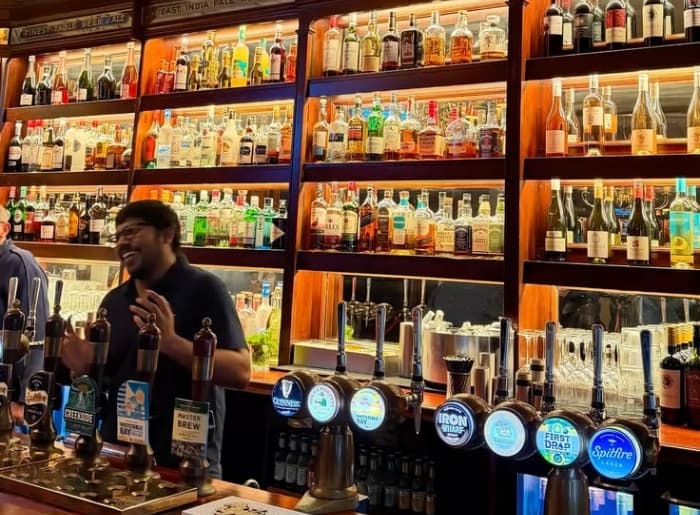
The term “Session Beer” can trace back its origins to British pub culture. These so called sessions usually refer to a person spending their afternoon or early evenings socializing over a drink. Unlike stronger variants, session beers aim to preserve the flavor of its respective styles while keeping the alcohol percentage low. Session beer does not refer to one particular brand or style of beer but rather focuses on alternatives that are not as strong, however drinking several session beers can still lead to significant alcohol consumption.
The Alcohol by Volume(ABV) in session beer usually is between 3% and 5%. While there is no set alcohol percentage that defines a session beer, usually people prefer options which are in between the 3% and 5% range. The session beer alcohol percentage is therefore best understood as a brewing convention rather than a fixed international standard. Most lagers and pale ales fall in the 4.5% to 5.5% ABV category, while stronger beers can contain up to 7% ABV. The best way to verify is to check the beer's strength on the bottle itself.
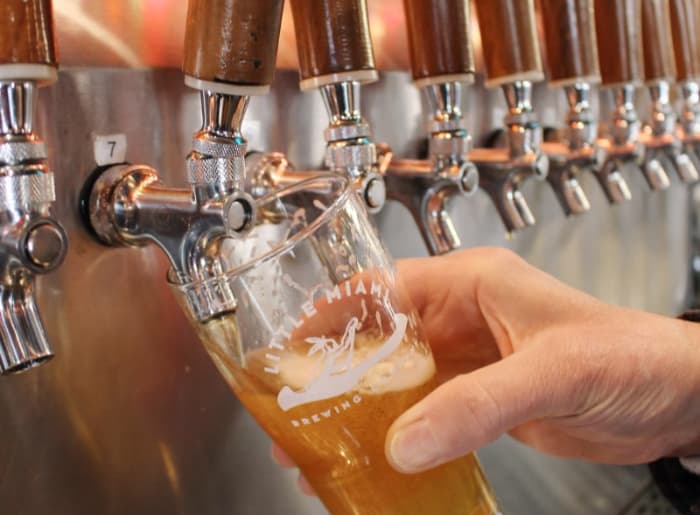
Regardless of style, flavor or aroma what generally brings beers under this category is the emphasis on balance. Brewers seek to avoid making a product that is overall strong whilst keeping the basic malt, hop and yeast derived flavors. Lower alcohol content is not an indicator towards the taste of the beer. Session beers can differ in color, clarity, carbonation etc. They can be pale or dark, bitter or sweet, it purely depends on how the beverage is brewed and what ingredients are used.
The most obvious difference between session beer and strong beer is alcohol content. Session beers generally remain below 5% ABV, while stronger styles may contain 7% to 12% ABV or more. However, the term strong beer can also have specific regulatory meanings depending on the country.
The most obvious distinction is the alcohol content, while session beers are usually capped at 5% ABV, stronger styles can contain anywhere between 7% to 12% ABV. The difference in flavor is also fairly noticeable with session beers giving more importance to refreshment and maintaining a balance in the drink.
Ever wondered how ABV and proof differ? Discover the key differences and what they reveal about alcohol strength.
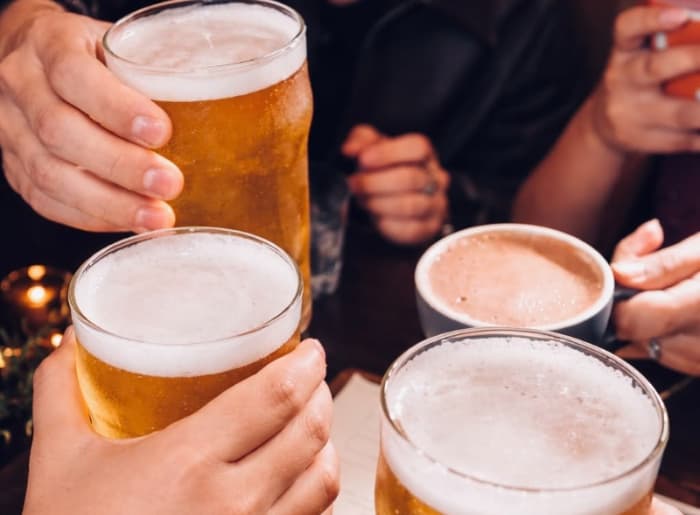
India Pale Ale (IPA) usually tends to be made up of citrus, pine, tropical fruits and floral aromas with a slight bitterness. Session IPAs come under the 3.5% to 4.5% range whereas normal IPAs operate in the 6% to 7% range. Brewers achieve this by adjusting the malt bill and fermentation profile while maintaining hop additions.
Making a session IPA dominated by flavor can be a challenge as reducing the malt content too much would result in a very thin tasting beer, a well made session IPA is a balance of the the malt flavor with hops in a lighter drink.
Wondering how long beer stays fresh after opening? Find out the essential storage facts and how to preserve its freshness.
The information presented in this article has been sourced from WSET, CraftBeer.com, and London Brewery Tours. These references provide details on the history of session beer, its origins in British pub culture, typical alcohol content, flavor characteristics, and how session beers differ from stronger beer styles.
Session beers found its popularity in how convenient an option it is for people who want to just meet someone for a drink in the middle of the day. It is a light, flavorful experience that doesn’t leave you in a state where you might find it difficult to carry on with your day. Be it a crisp lager or a traditional bitter option or even a hop forward session IPA, the options in this category are built for consumers who just want a lighter beer option.