

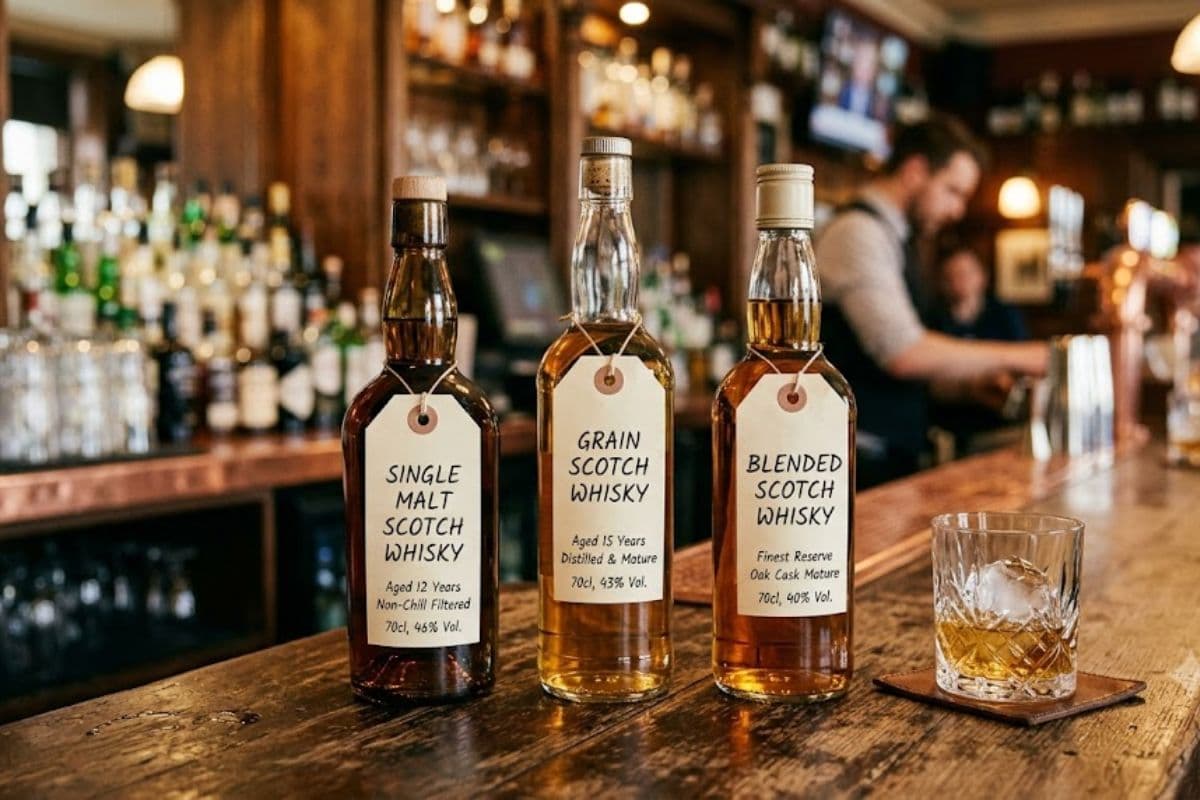
Whisky is more than just a spirit aged in oak; it is actually an intricate study of chemistry, agriculture, and patience. Reading bottle labels can actually feel like learning a foreign language at times, especially when you are new to the whisky world. To break it down easily for you, the entire spectrum of whisky relies on three foundational terms: Malted, Grain, and Single Malt. But what do these terms mean? Are they just marketing jargon used to differentiate whisky, or do they have a deeper meaning? Let's understand these heavily used whisky terms.
The terms: Single Malt, Grain, and Malted Whisky are not just marketing jargon; they actually explain every step of how that particular whisky is made. From the grain selected in the field to the shape of the copper still used for distillation, everything matters.
Understanding the difference between a light, column-distilled grain spirit and a heavy, single-origin malted barley spirit will help one know why two whiskies from the same region taste so differently.
Before breaking down whisky styles, let's understand the fundamental raw ingredients.
1. Water & Yeast
Water is used for mashing and diluting; at the same time, yeast is used to convert sugary liquids into alcohol during the process of fermentation.
2. Malted Barley
Barley grains are added to water to germinate and then are dried in a kiln in order to halt the growth. This process brings out enzymes which convert starches into fermentable sugars.
3. Unmalted Grains
Cereals such as wheat, rye, corn, or raw barley that have not undergone the process of malting.
https://www.instagram.com/reel/DctKoT4qvCX/?utm_source=ig_web_copy_link&igsi=MzRlODBiNWFlZA==
Malted
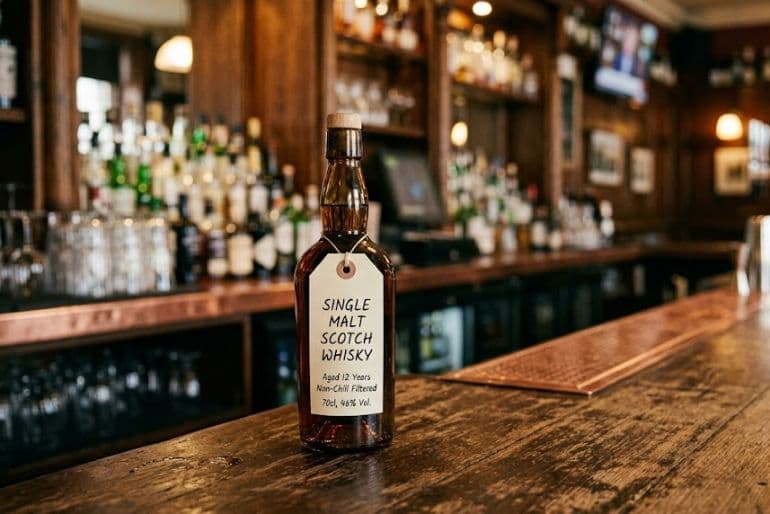
Malted Whisky basically refers to the spirits that have been distilled exclusively from a mash of malted barley. Malted barley offers robust, rich, and complex flavors. This ranges from nutty, biscuit, and chocolate notes to floral, fruity, or peaty profiles.
Also Read: Does Adding Water To Whisky Reduce Its Alcohol Content?
The Malting Process:
To understand this better, here’s a sneak peek into the malting process.
A Single Malt whisky is defined by two strict legal criteria (especially under Scotch Whisky Regulations):
Distillation
It is important to note that single malts must be distilled in batches in traditional copper pot stills. Copper here plays a chemical role by removing unwanted sulfur compounds during distillation. It also concentrates congener profiles and rich esters that mature into complex flavors.
Grain whisky is a whisky that is produced using a mix of cereals. This may include wheat, rye, corn, and unmalted barley. Along with these cereals, it may also include a very small percentage of malted barley to take care of the enzymatic conversion.
Characteristics of Grain Whisky
Also Read: Whiskey vs Beer vs Vodka: What Should You Actually Be Drinking?
Blended Whisky is the craft of combining different whiskies to create a consistent and balanced flavor. It is typically made out of rich Single Malts and smooth Grain Whiskies. Blended Whisky focuses on harmony instead of one single grain or single distillery. It is one of the most popular styles in the world.
Types Of Blended Whisky
.jpg&w=1920&q=75)
Understanding these whisky terms is very important not just for knowledge, but it has also helped me understand my own preferences.
Understanding these categories clarifies the labels you read on the whisky bottles. 100% malted barley whisky from one distillery is Single Malt, whisky made from grains is Single Grain, and a mix of grain whiskies from different distilleries is Blended Whisky.
.jpg&w=3840&q=100)
.jpg&w=3840&q=100)
.jpg&w=3840&q=100)