
Diageo India recently announced the complete divestiture of its stake in Royal Challengers Sports Pvt Ltd, the company associated with the Royal Challengers Bangalore (RCB) IPL franchise. For years, the relationship between alcohol companies and sports teams has remained one of the most visible examples of how alco-bev brands use sports to build cultural relevance, consumer loyalty, and large-scale visibility.
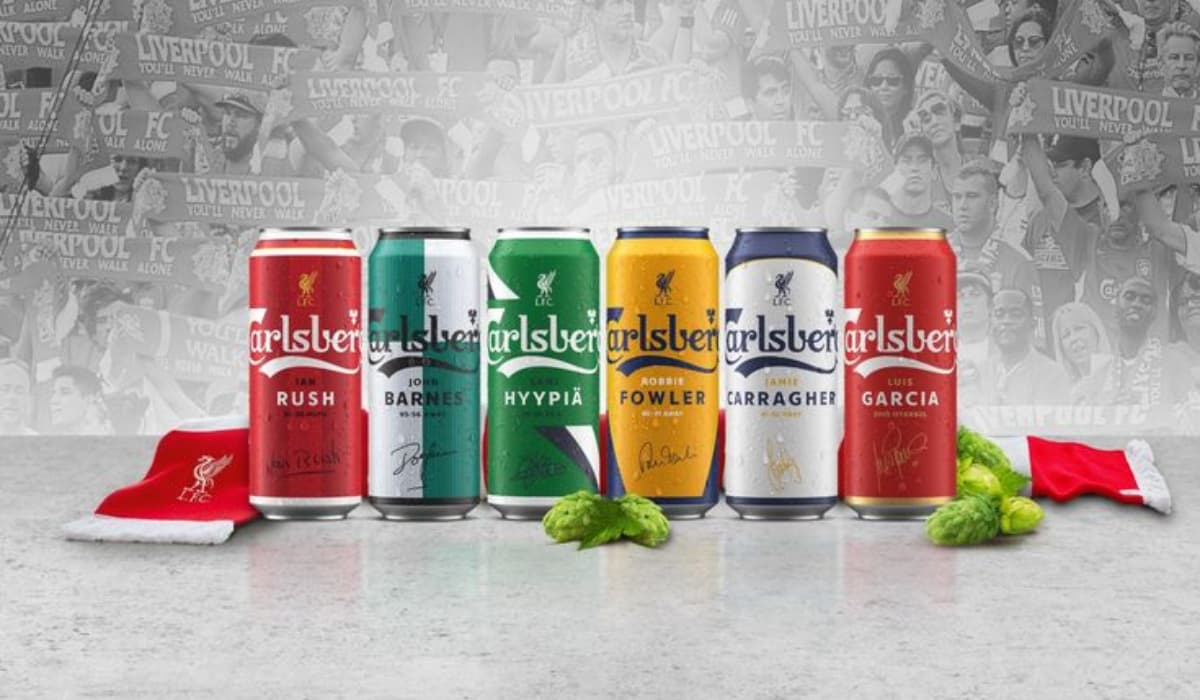
Even beyond cricket, alcohol companies today are deeply connected to global sports ecosystems through Formula 1 partnerships, football sponsorships, UFC collaborations, athlete campaigns, and tournament branding.
However, the question remains: why do alcohol companies continue investing so heavily in sports, especially in markets where direct alcohol advertising is heavily regulated?
One of the biggest reasons alcohol companies invest in sports is due to its scale. Sporting events remain among the few forms of entertainment capable of consistently attracting massive global audiences across television, streaming platforms, stadiums, and social media simultaneously.
Events like the IPL, FIFA World Cup, Formula 1, and UEFA Champions League generate billions of impressions every season. For alcohol brands, this creates long-term visibility that traditional advertising often struggles to match. Team logos, athlete partnerships, digital campaigns, jersey branding, hospitality zones, and stadium activations allow brands to remain visible throughout an entire season instead of relying only on short-term advertisements.
Sports sponsorships also help brands become part of fan culture rather than simply appearing as commercials.
Also Read: RCB Wins Historic IPL Trophy: Karnataka Sees Record Alcohol Sales In A Day
Modern alcohol marketing is no longer focused only on promoting the product itself. Brands today are increasingly built around lifestyle, experiences, nightlife, celebrations, and social identity.
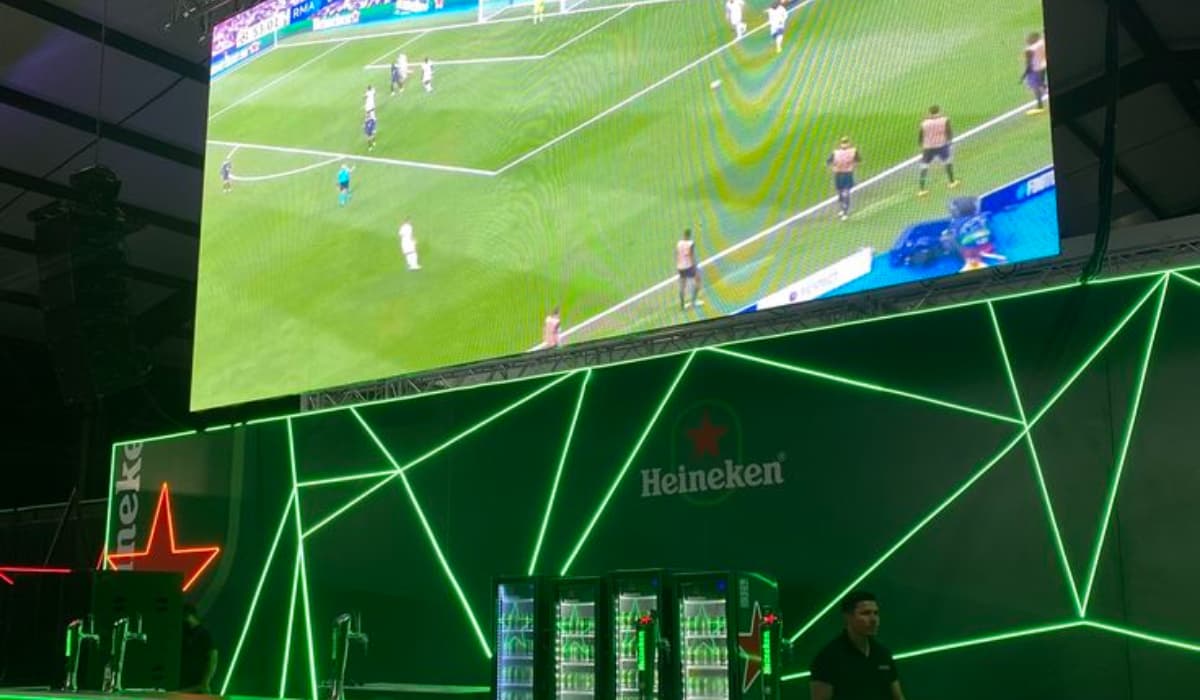
Sports naturally fit into this strategy because fans develop strong emotional connections with teams, athletes, and major sporting moments. Alcohol companies use sports partnerships to position themselves alongside celebrations, match screenings, nightlife experiences, and social gatherings connected to fandom culture. This is especially visible in categories like beer, where sports viewing and social drinking have historically shared strong cultural overlap across bars, pubs, restaurants, and stadium environments.
In many countries, including India, direct liquor advertising faces strict regulatory restrictions. Because of this, sports sponsorships have become one of the most effective ways for alcohol brands to maintain cultural visibility.
Instead of directly promoting alcohol products, companies often rely on surrogate branding through soda, packaged water, music CDs, glassware, or lifestyle extensions connected to the parent alcohol brand. Sports partnerships additionally provide indirect but constant visibility through sponsorships, digital content, event integrations, and team ownership structures.
The long-standing connection between United Spirits and Royal Challengers Bangalore became one of the clearest examples of how alco-bev companies used sports not just for advertising, but for long-term cultural association and visibility.
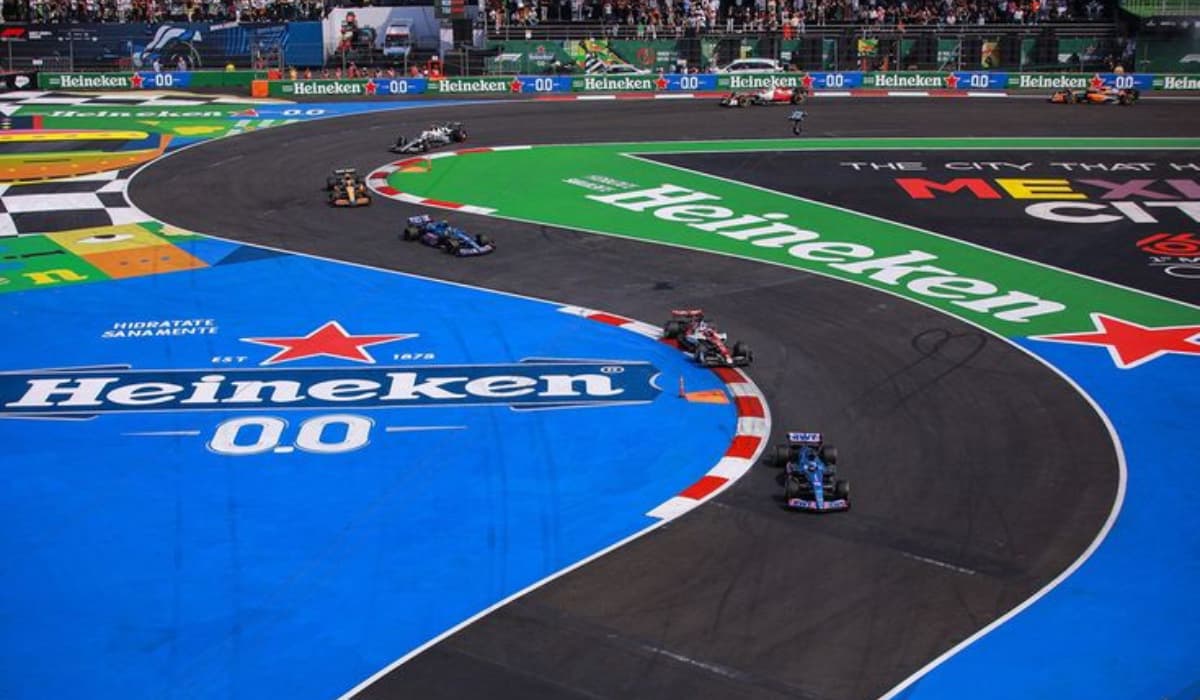
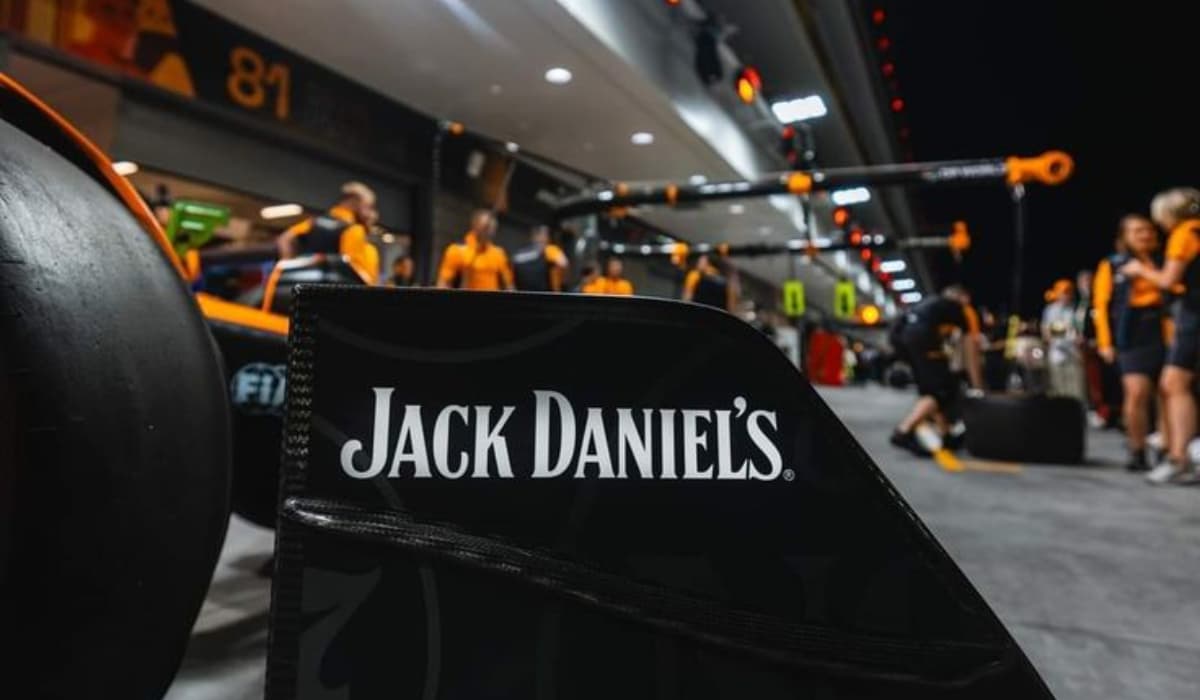
Formula 1 has recently become one of the fastest-growing sports sponsorship spaces for premium alcohol brands. According to industry reports, spirits companies are increasingly investing in F1 because the sport attracts younger audiences, luxury consumers, and globally connected fans.
Unlike traditional mass-market sports sponsorships, Formula 1 partnerships often focus heavily on premium positioning, hospitality experiences, celebrity culture, and aspirational branding. Premium whisky, champagne, tequila, and cocktail-focused brands see F1 as an opportunity to align themselves with luxury lifestyle experiences rather than simply maximizing visibility.
This reflects a broader shift happening across the alco-bev industry where premiumization has become a major growth strategy.
Also Read: Jack Daniel’s Teams Up With McLaren F1 For High-Speed Launch of Halo MK1 Whiskey
Modern sports culture extends far beyond live matches at a sports bar. Social media clips, athlete-driven content, documentaries, podcasts, streaming shows, fantasy sports, and influencer collaborations have transformed sports into year-round digital entertainment ecosystems.
Industry reports suggest many spirits brands are now using celebrity partnerships and culturally integrated campaigns to stay relevant among younger legal-drinking-age consumers. Sports provide a direct entry point into these conversations because audiences today engage with athletes and sports personalities constantly across digital platforms.
The connection between alcohol and sports has existed for decades because both naturally intersect within social environments. Sports screenings, celebrations, nightlife, pubs, bars, and group viewing experiences have historically helped strengthen this relationship across global markets.
Even as regulations evolve and consumer expectations continue changing, sports still offer alcohol companies something few other marketing channels can deliver at the same scale: emotional engagement, premium positioning, and long-term cultural relevance. As the alco-bev industry shifts further toward lifestyle branding and experience-driven marketing, sports partnerships are expected to remain one of the industry’s most powerful promotional tools.
.jpg&w=3840&q=100)