
There is a certain seriousness that comes with ordering whisky neat. You get the glass, take a small sip and suddenly someone at the table is telling you that adding water will "ruin" it, but that isn't really how whisky works.
Adding a few drops of water to whisky doesn't destroy the spirit or somehow make a good whisky bad. In fact, water has been used around whisky production and tasting for a very long time. The interesting part is that a little dilution can actually change how the whisky smells and tastes.
Whisky contains a lot of ethanol, and when the alcohol level is high, it can dominate what you're smelling and tasting. A few drops of water reduce the alcohol concentration slightly, which can make the spirit feel softer on the palate.
A 2017 study published in Scientific Reports looked at how water and ethanol interact with guaiacol, a compound associated with the smoky character of whisky. The researchers found that guaiacol behaves differently depending on the alcohol concentration. At higher concentrations of ethanol, more of the compound tends to remain surrounded by ethanol. With dilution, more guaiacol can move towards the liquid-air interface, where it is easier to smell and taste. That is one reason adding water can sometimes make a whisky seem more aromatic.
Also Read: What Is The Difference Between Japanese Whisky And Scotch?
This is where whisky conversations sometimes get a little carried away. You will hear people say that water "opens up" a whisky, as though every bottle has a secret flavor hiding inside it. That's a nice way of putting it, but scientifically it is not quite that simple.
Whisky contains hundreds of different flavor and aroma compounds, and dilution doesn't affect all of them in exactly the same way. A 2023 study looking at whisky aroma found that dilution changed the concentration of different aroma compounds in the headspace above the whisky. The effect also varied between whisky styles. So yes, water can change the aroma. But whether you actually prefer the whisky after dilution is completely another question.
Also Read: Whiskey vs Beer vs Vodka: What Should You Actually Be Drinking?
This is probably the most important thing to remember if you're trying whisky with water for the first time. Don't pour a large splash into an expensive single malt straight away. Start with the whisky neat. Smell it first, take a small sip and get an idea of what you're drinking, then add a few drops of water.
Give the glass a gentle swirl, wait a little and smell it again. Take another sip. If the whisky feels less aggressive and you notice more fruit, spice, smoke, vanilla or oak, you might prefer it that way. If it tastes thinner or less interesting, stop adding water.
https://www.instagram.com/p/DctKoT4qvCX/
Water is not a flavor enhancer in unlimited quantities, it is dilution. Add enough and you will lower the alcohol concentration significantly, which can change the balance of the spirit.
Research on whisky dilution has found that stronger dilution can start reducing differences between whiskies within some styles, while differences between broad categories such as Scotch and American whiskey can still remain.
Also Read: Whisky Terms Explained: Single Malt, Grain, And Blended
You can because price has nothing to do with whether water is "allowed". Some whisky enthusiasts prefer expensive single malts neat because they want to experience the spirit exactly as bottled. Others will add a few drops, particularly when tasting a whisky at cask strength.
Actually, cask-strength whisky can be particularly interesting with water because these bottles are often much higher in alcohol than standard 40% ABV whisky. Scotch Whisky Association information notes that Scotch must be bottled at a minimum of 40% ABV, while whisky is commonly reduced in strength before bottling. A little water can make a high-strength whisky easier to drink and can change its aromatic profile.
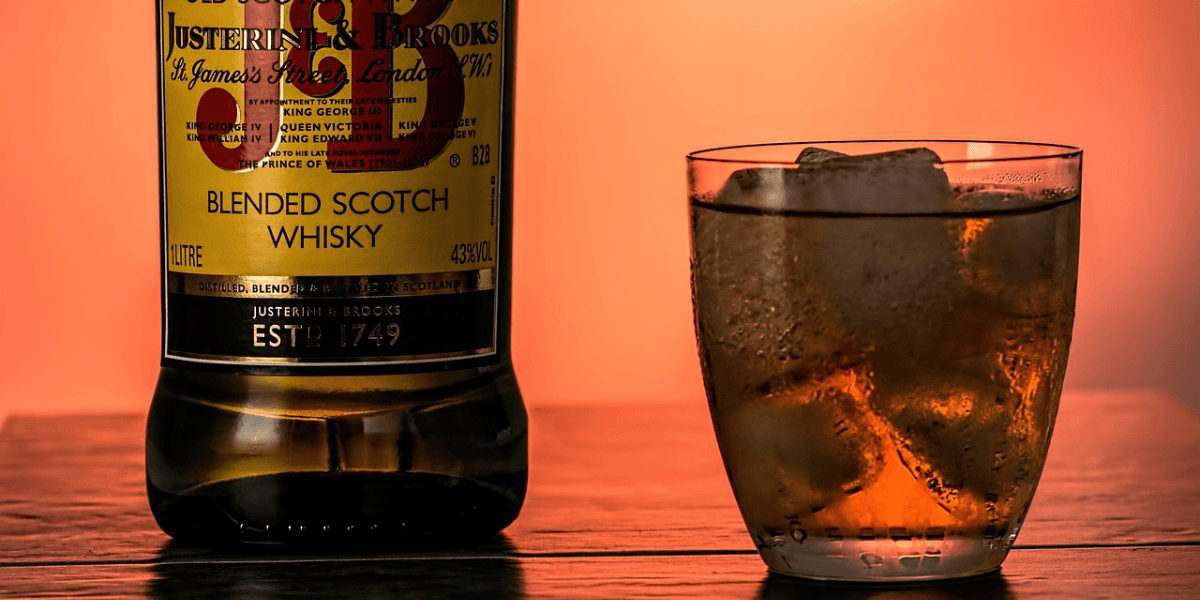
When you add ice, you're cooling the whisky as well as gradually diluting it as the ice melts. Lower temperature can reduce the volatility of aroma compounds, so a whisky served very cold may smell less expressive than one served at room temperature.
That's not necessarily bad as some people simply prefer a colder, softer drink. The point is that neat, water and ice aren't three levels of "correct" whisky drinking. They're different ways of experiencing the same spirit.
Also Read: Best Whiskey Brands In India Under INR 3000
No, absolutely not, If anything, the science gives whisky drinkers a pretty good reason to experiment with it. Water can lower the alcohol intensity, alter the balance of compounds in the liquid and change what reaches your nose and palate. Research has specifically linked dilution with changes in the behavior and perception of compounds such as guaiacol. But there is no whisky police waiting to arrest you for drinking it neat.
I've always found whisky more interesting when you don't treat the "right" way of drinking it like a rulebook. For me, the fun is actually tasting the difference. Take the first sip neat, add a few drops, wait and try again. Sometimes the change is obvious, sometimes it isn't. So do what you feel is right and if you want to experiment and try new things, go for it and cheers!