
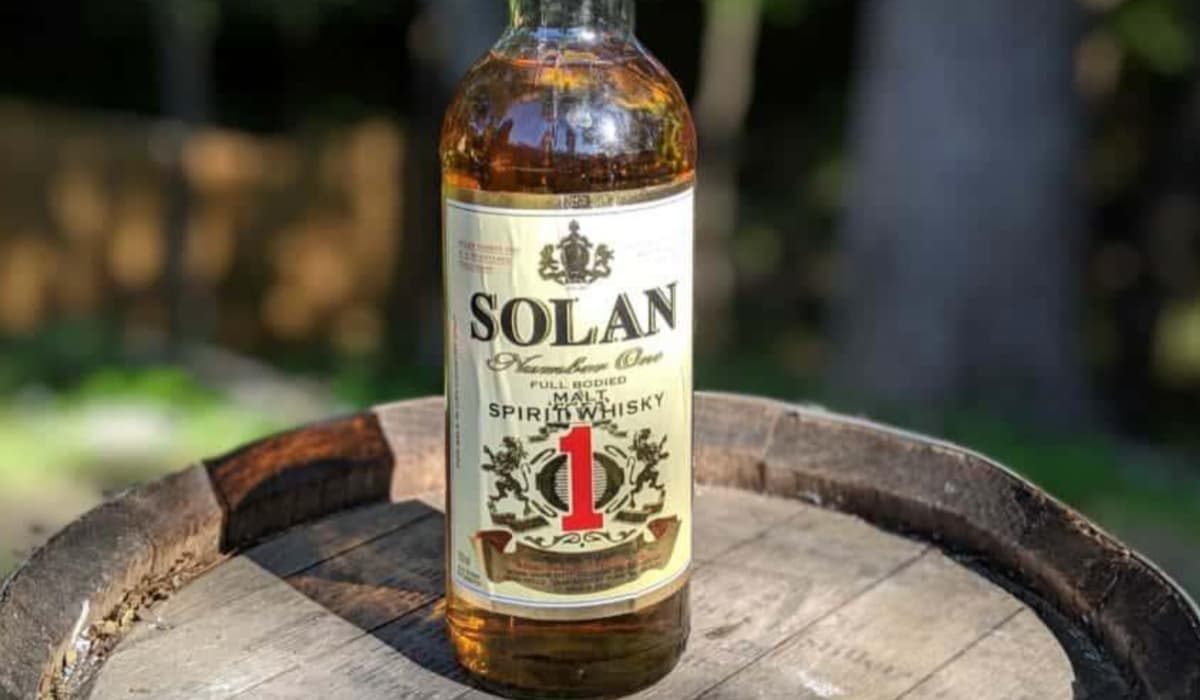
Today, India is a recognized player in the international single malt world. However, it wasn’t always like this. Before brands like Amrut, Paul John and Indri gained recognition for distillation techniques and ingredients. Solan No.1, one of the earliest single malts made in India with colonial era distilling industries.
Salon No.1 is evidence of a time dating back to the development of brewing and distilling operations in Himachal Pradesh. One of India’s oldest liquor manufacturers has carried fascinating stories about the rich whisky heritage in India.
Manufactured by Mohan Meakin, the brand behind Old Monk, Salon No.1 is closely tied to the historic distillery located at the foothills of the Himalayas in Kasauli, Himachal Pradesh. The name comes from a town named Solan, its history connects it back to the development of commercial brewing and distilling techniques in northern India.
Solan No.1 is known as a malted barley whisky while most other Indian brands are traditionally molasses derived spirits. While most Indian single malt brands today are known for innovative techniques and international recognition, Salon is an example of a time when distillers in India were adapting Scottish production techniques used to Indian conditions.
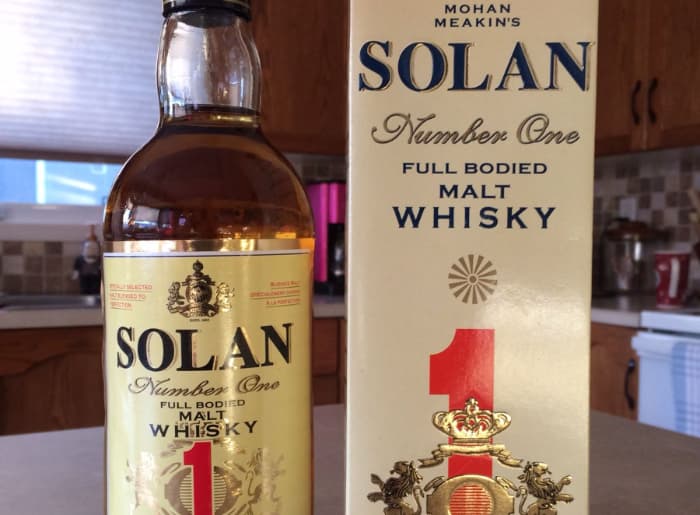
In the 19th century, Edward Abraham Dyer, a British entrepreneur set up brewing operations in Kasauli. Instead of relying on imported products, he noticed a gap in the market for a European-style alcoholic beverage for British people and military personnel in colonial India. Mohan Meakin’s involvement can be dated back to 1855, Dyer’s involvement can be dated back to the 1820s. While the founding date can be up for debate, what can be said is that its operations became a very important part of India’s brewing and distilling operations.
Located on the foothills of the Himalayan range, it made for an extremely attractive location for European brewers and distillers. Due to the cooler climate and the natural spring water, it made it ideal for producing beverages. The surrounding area also offered a contrast to the hotter plains in Northern India. The operation did lead to a lot of logistical issues as equipment needed to be transported through difficult terrains with labor intensive transportation methods.
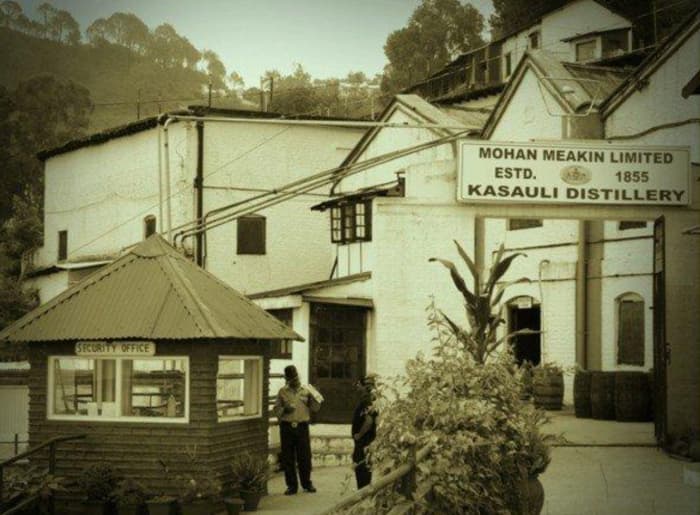
As Kasauli started attracting more people, the demand for water grew thereby making it difficult for the original operation to function. This led to brewing activities eventually moving towards Solan, an area where the business could expand while maintaining its connection to the Himalayan region.
While Kasauli became known for distilling, Solan became the center for brewing operations. Both locations would eventually end up being part of Mohan Meakin’s journey. Thereby maintaining Solan No.1 association with the region.
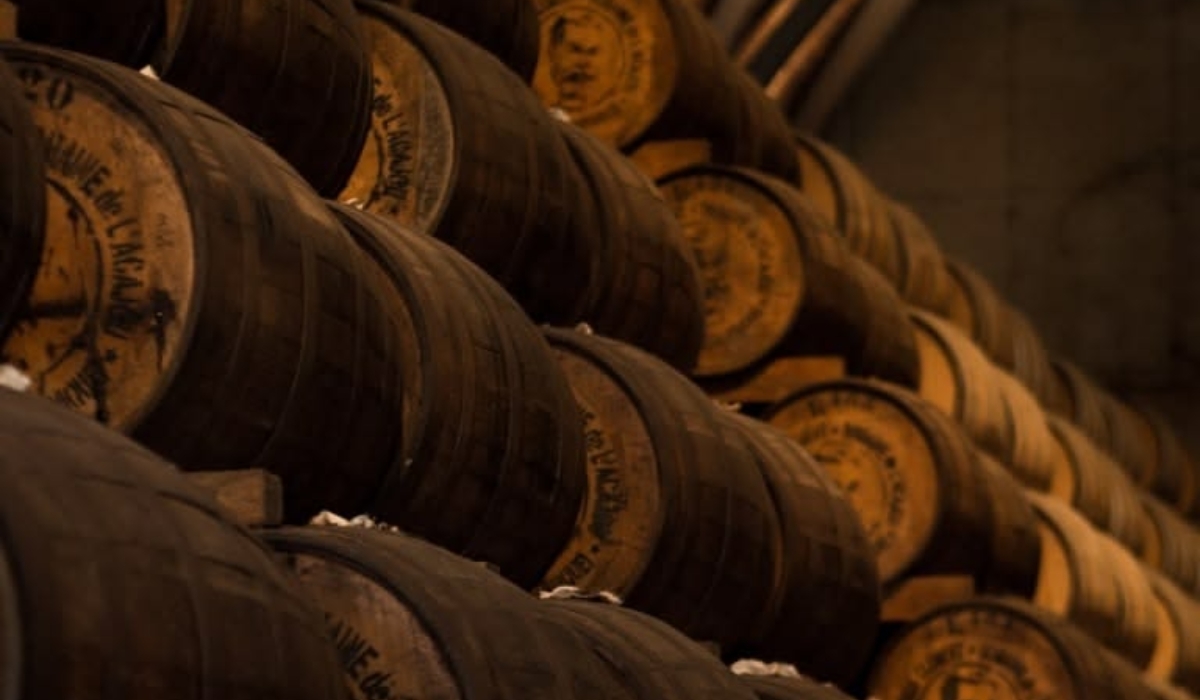
Salon No.1 is produced using malted barley, the method of production entails preparing and fermenting the barley before it is distilled in a copper pot. This is a reflection of Scottish methods used during the region's early whisky making days.
The result was a spirit that matured in oak barrels before bottling. Salon No.1 is listed at 42.8% alcohol by volume (ABV) with no set age statement. Salon No.1 has a flavor profile that is described as golden amber with a strong orange aroma accompanied by cinnamon and vanilla. On the palate, caramel sweetness with hints of nutmeg and subtle licorice notes, making it distinguishable from most traditional Indian whiskies.
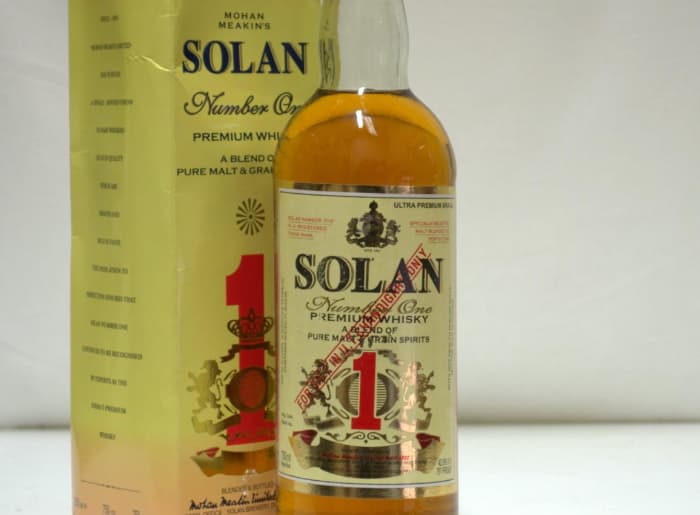
Amrut’s international expansion or the rise of brands like Paul John and Indri have helped establish India’s reputation in the world of single malt whisky. However, what most people would probably have never guessed at is the history and origins of single malt whisky in India, and exactly how far back the story goes.
The significance of the Kasauli distilling traditions are also practices developed during colonial rule. Although its status as India’s first single malt is debated, what one cannot deny is that Salon No.1 occupies a very important place in the evolution of Indian whisky manufacturing
Heard about Amrut Distilleries' new Kranthi Whisky, its 53rd whisky expression? Discover what sets it apart.
While still a part of Mohan Meakin’s whisky portfolio, its presence across the Indian single malt market is considerably more prominent than that of Amrut and Indri. Availability differs across markets. The company also produces Salon Gold Indian Single Malt Whisky, a different expression than Salon No.1 although both are reflections of the longstanding association between the manufacturers and the production in Himachal Pradesh.
Did you know Indri's Diwali Collector’s Edition 2026 is limited to just 600 bottles in India? Find out what makes it special.
The information presented in this article has been sourced from Mohan Meakin's official corporate history and annual report, along with references from Thirty-One Whiskey, Whisky Guru, and The Rum Howler Blog. These sources provide historical background on Solan No.1 whisky, its origins, production methods, and the development of whisky-making in India.
Salon No.1 represents the first chapter ever written in the history of Indian whisky making. Its connection to Kasauli, Salon and Mohan Meakin reflects a legacy that helped give the Indian liquor industry the foundation for what followed. While Salon No.1 might not get the international recognition, it laid the foundation for the evolution of distilling and brewing techniques in India